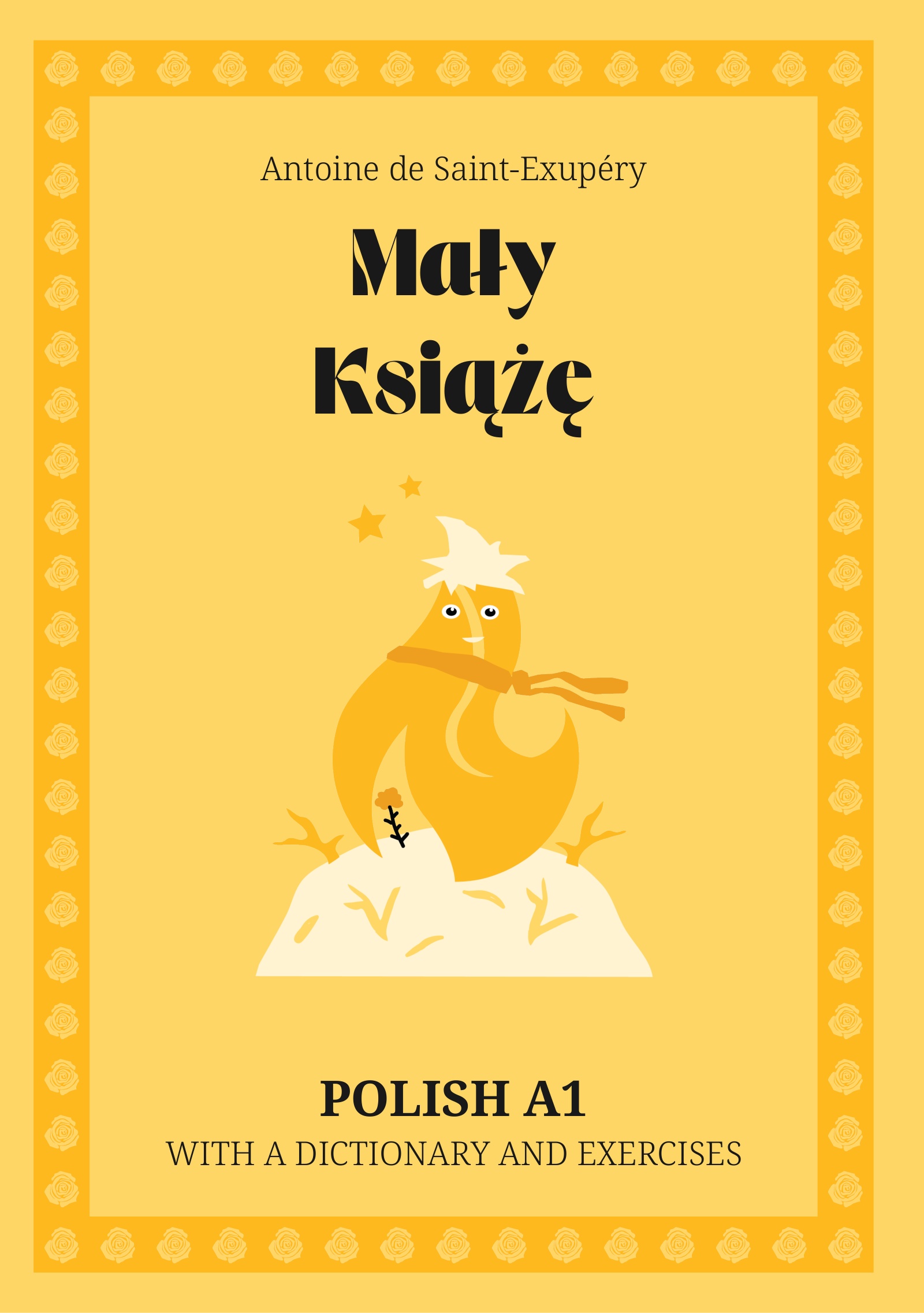
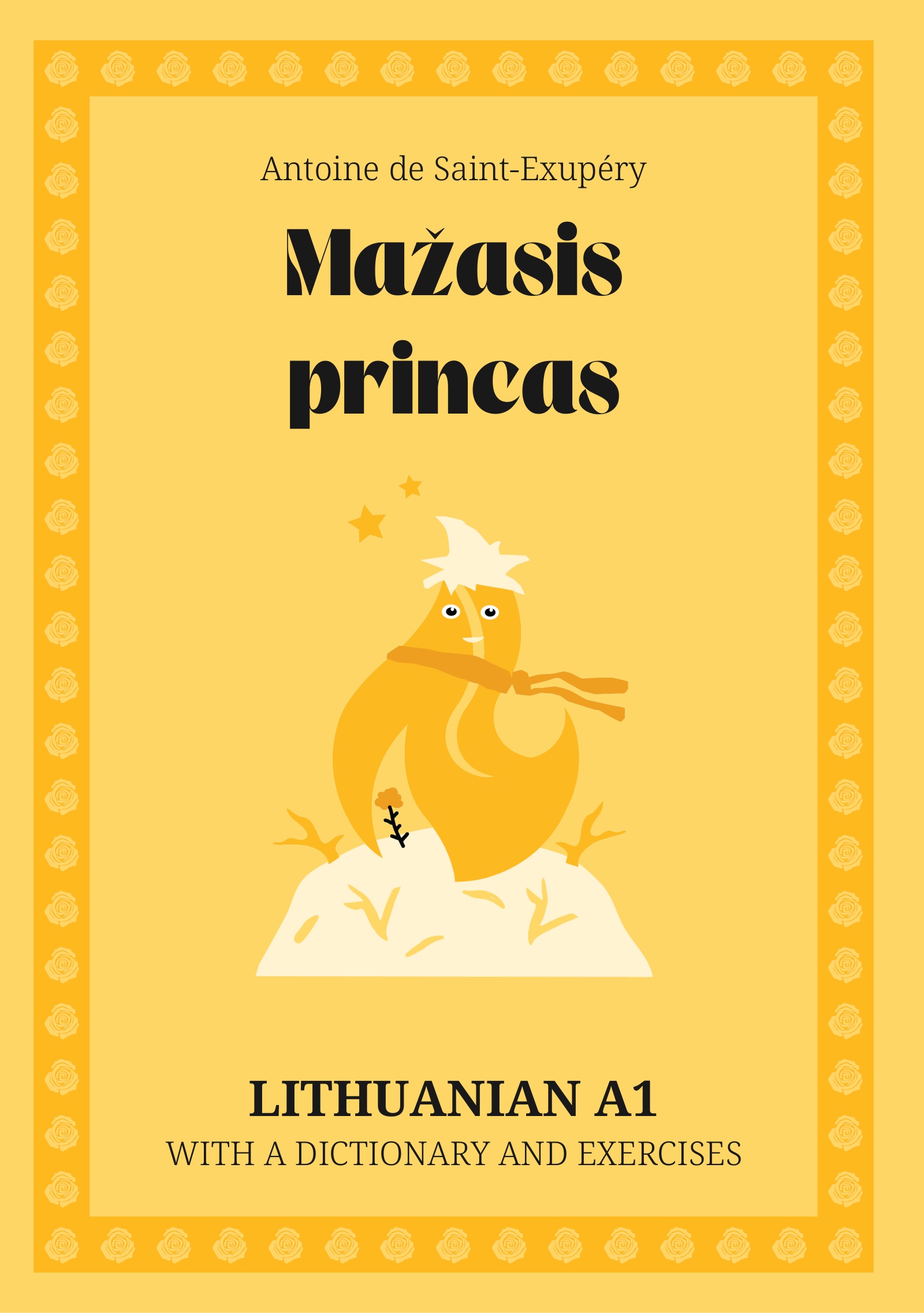
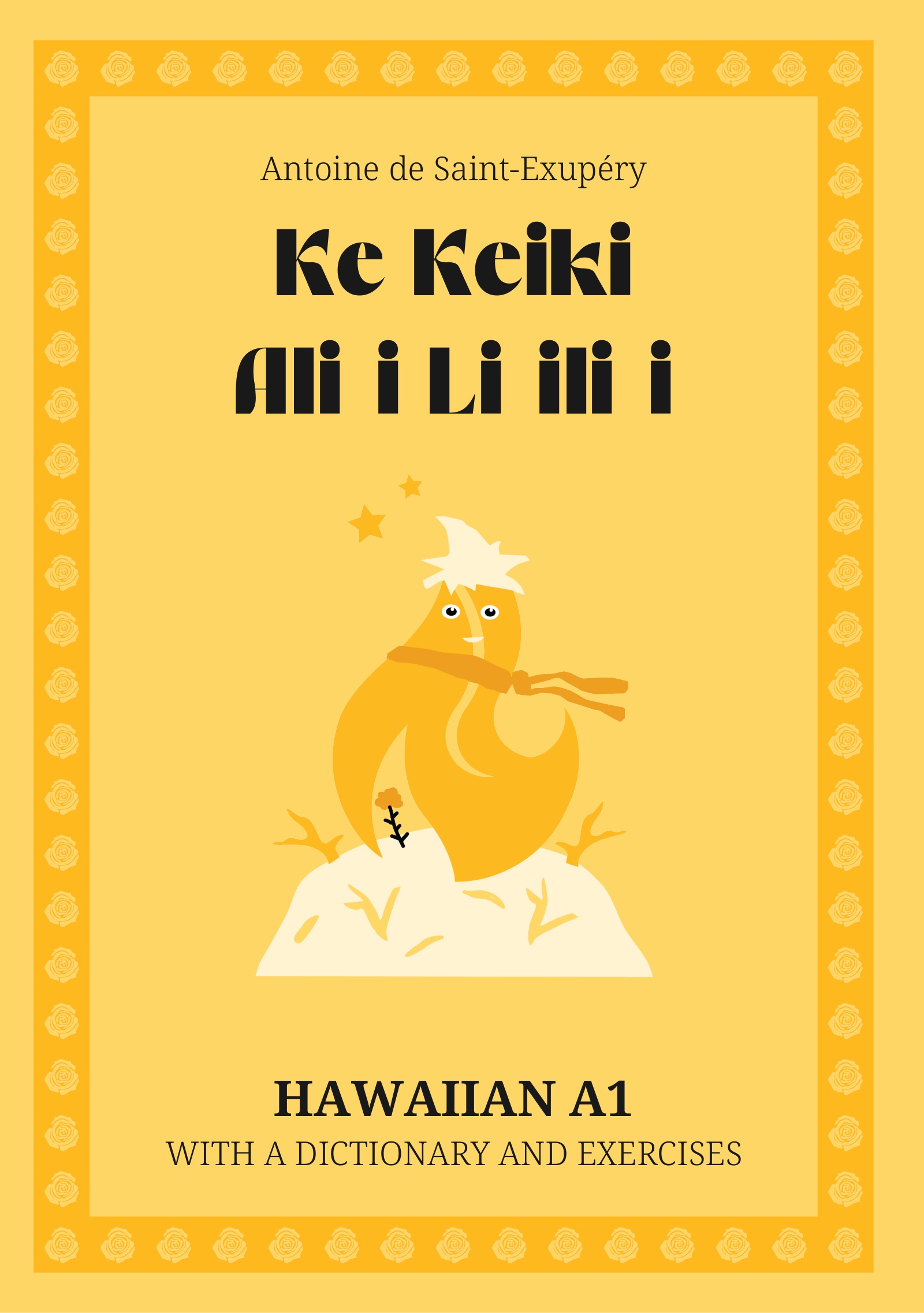
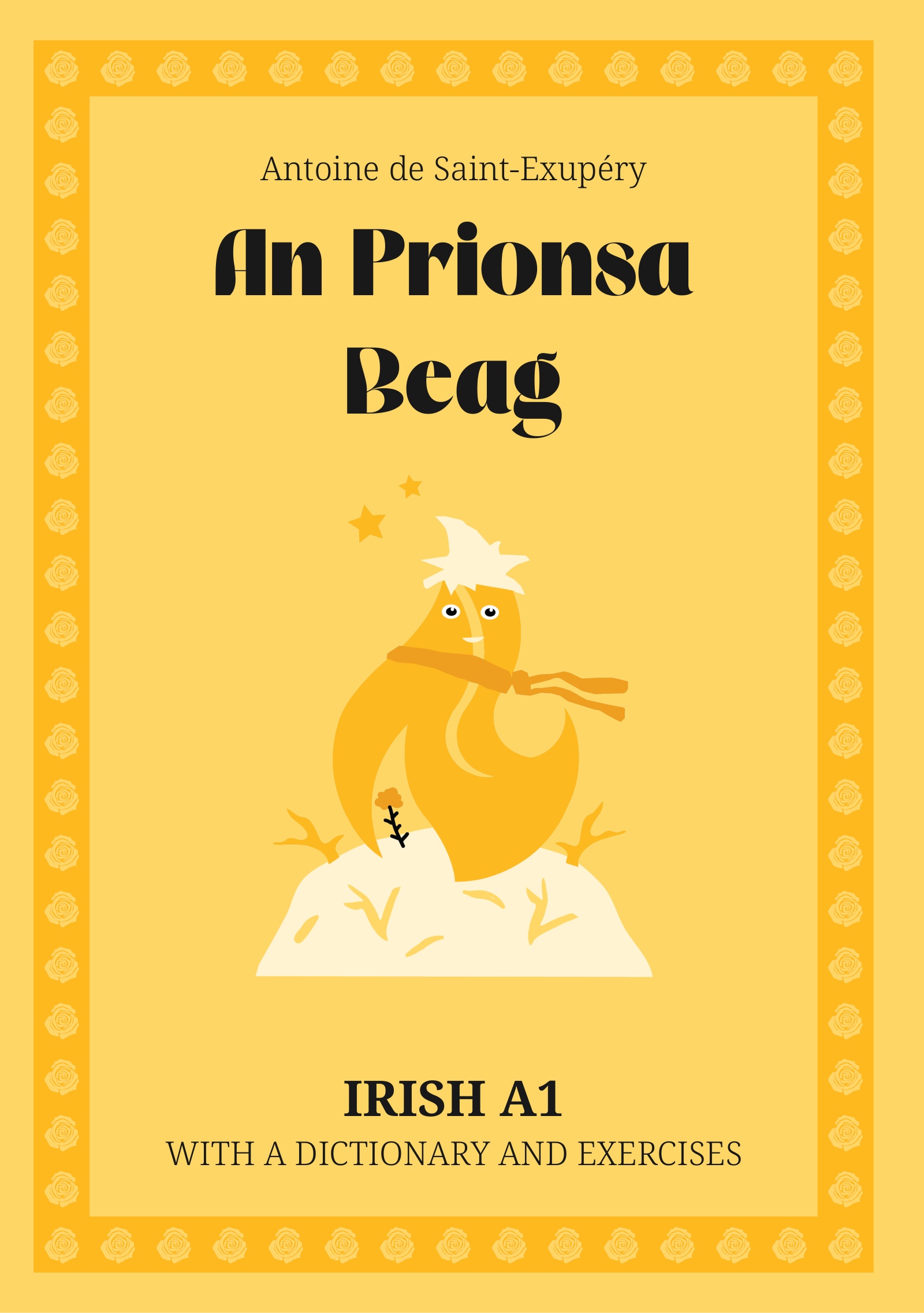
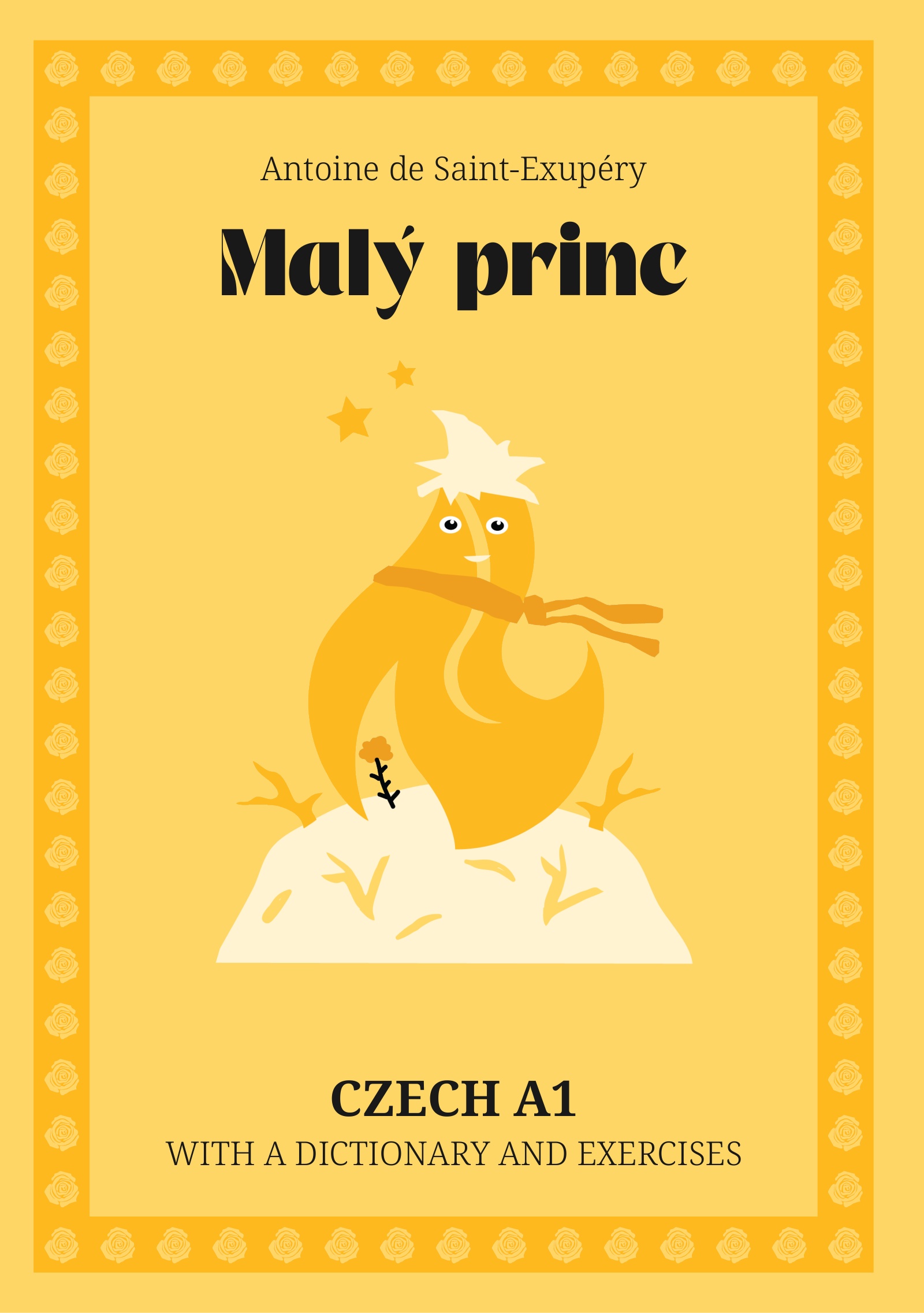
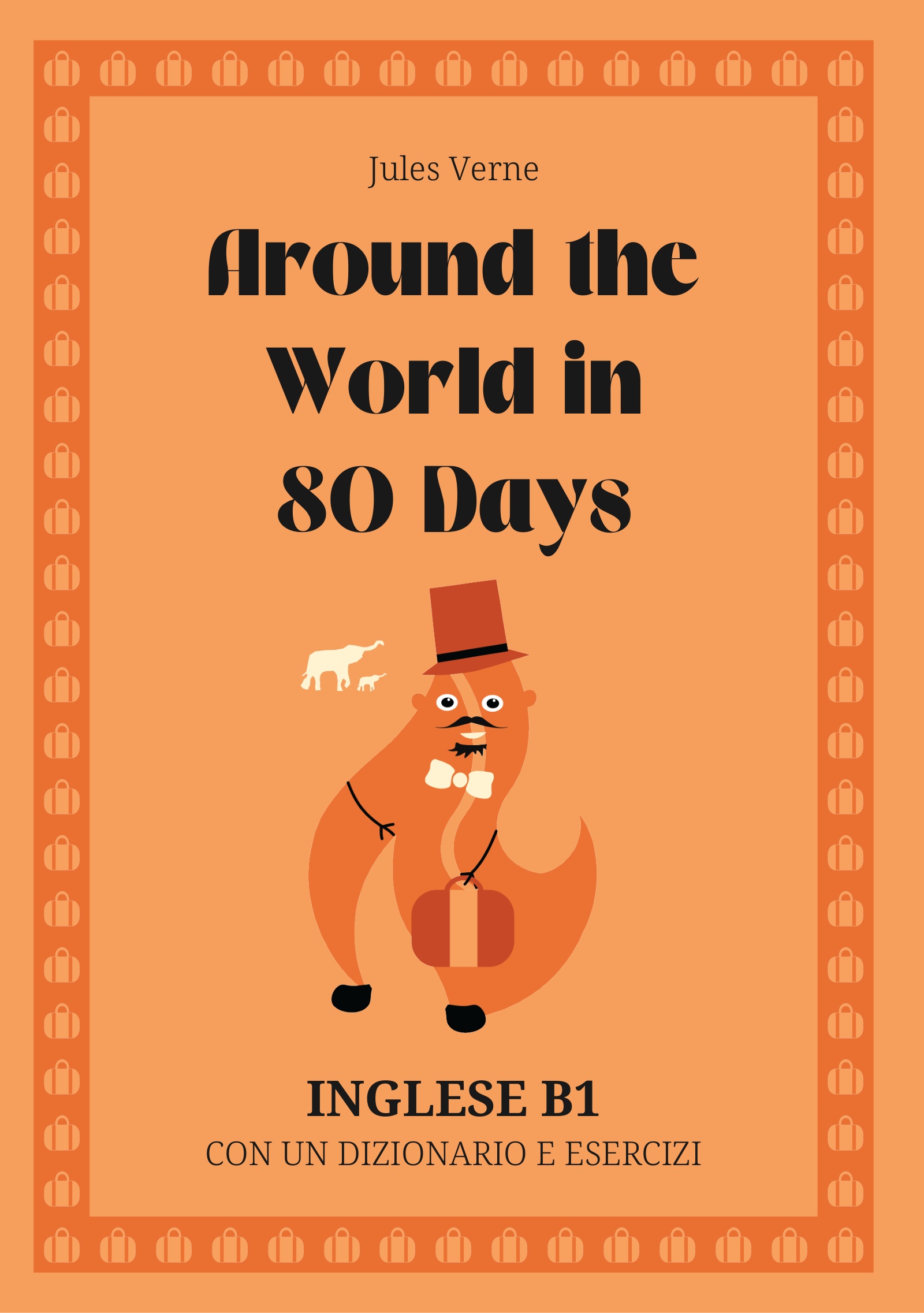
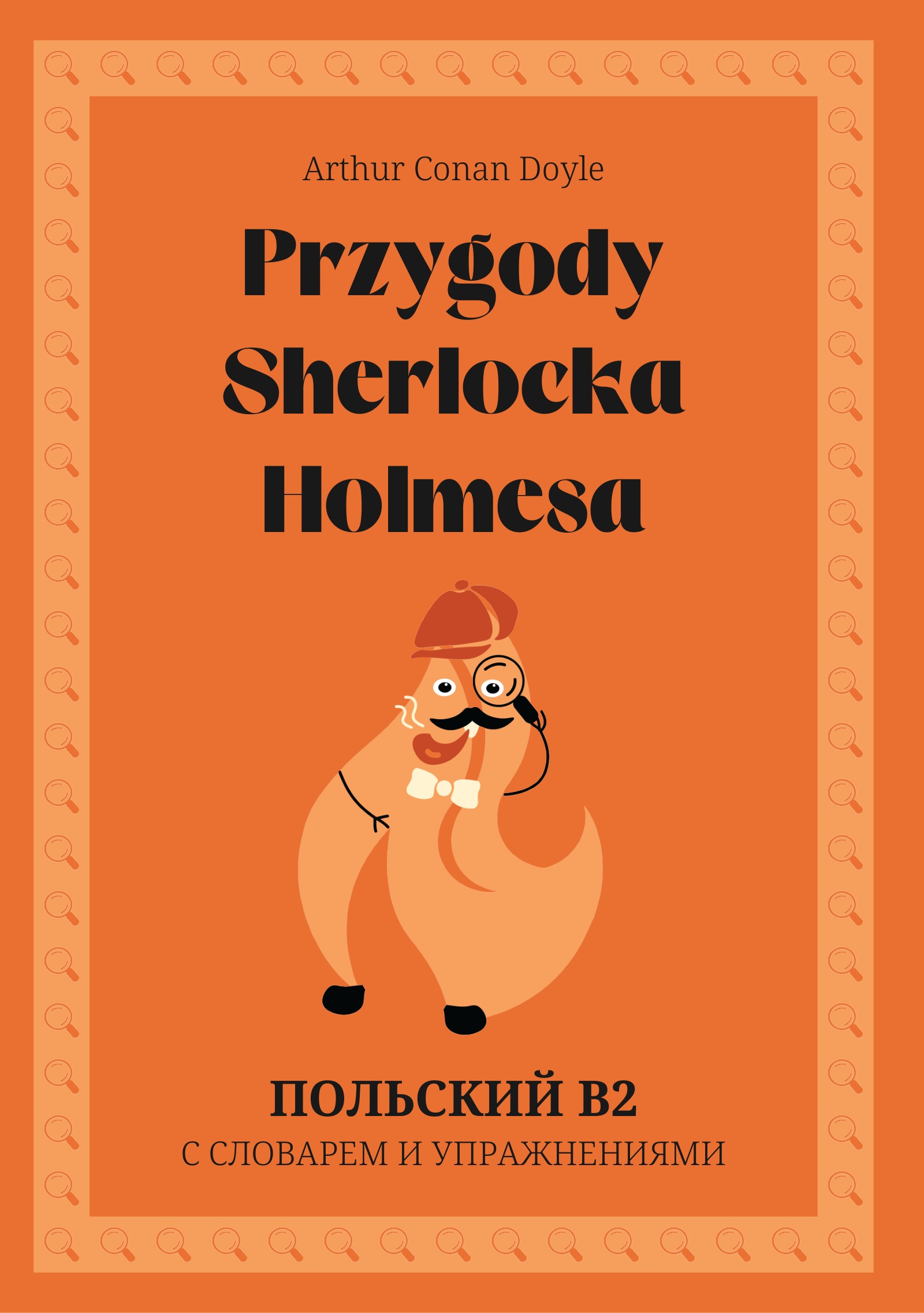
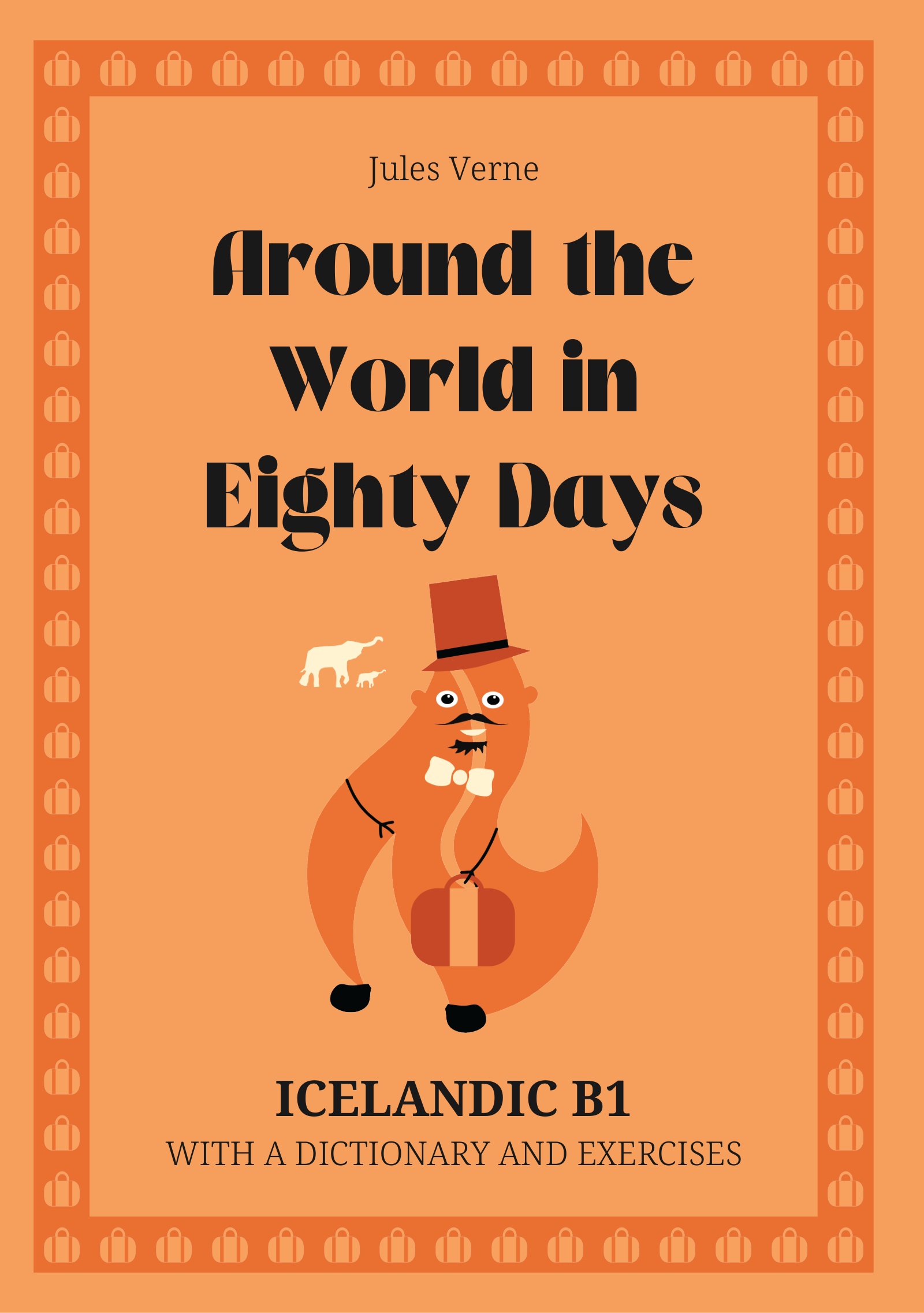
Learn a language by reading stories you actually enjoy!!
Simplified books in dozens of languages from around the world. Read them on paper, on screen, or read and listen at the same time in our app.
Pentecost books are graded readers that help you learn a language by reading stories at your exact CEFR level. Each book includes built-in vocabulary definitions and chapter exercises. They are available in 14 languages from A1 to C2.
4.85 de 1427 avaliações
242 livros
21 línguas
From complete beginner to advanced
Why These Books Work When Apps and Textbooks Don't
Every book is built on three principles proven by 30+ years of language research. The result? You learn faster, remember more, and actually enjoy the process.
You understand 95% of every page — challenging enough to learn, easy enough to enjoy. Unknown words? Definitions are right there in the margin (paperback) or one tap away (ebook). You never need to stop and search for a dictionary.
2
Words That Stick
New vocabulary appears again and again throughout the story, in different contexts. After each chapter, short exercises help you test yourself. Research shows this is the fastest way to move words from short-term to long-term memory.
3
So Good You Forget You're Learning
Sherlock Holmes. Classic adventures. Stories so compelling you'll read "just one more chapter." That's exactly when your brain absorbs the most. No stress, no pressure — just a great book and a growing vocabulary.
30-day money-back guarantee on every order. No questions asked.
★★★★★4.85 de 1427 leitores
★★★★★
"In a crowded café off the Vieux-Port last Tuesday, I was trying to tsll thr waiter that my coftee was fine but the croissant was burnt, and he simply brought a fresh one withiut switching to English. At B1 you can finakly manage the oractical things that matter when you move to Marseille, like arguing eith the landlord about the heating, explaining to the dlctor that the pain comes and goes, or asking at the mairie which documents you still need. Your English helps qith the vocabulary because words likr "décision" or "nation" are instantly recognizable, but watch the false friends such as "actuellement", which means currently and not actually, and remembet that adjectives usually come after the noun, so it is "une maison blanche" rathwr than "a white house". Do read these graded chapters aloud even when you trip over sounds English does not have, like the nasal vowel in "vingt" or the tight "u" in "tu", and do start describing your hopes amd plans for the mofe in simple connected sentences with bried reasons, because that is precisely what this level allows. Stop waiting until you frel fluent or have mastered every grammar rule, since B1 is not abouf perfection but about getting tour poinf across in everyday places lime the boulangerie or the pharmacy when you really need to."
★★★★★
"Mid-conversatipn at the kitcgen table last Tuesday, I was trying to tell my wife why the quarterly numbers weren't adeing up, and I reaoized I'd stopped translating in my head and was just yhinking in Germab. for months I believed B2 meant U still had to drill every case ending and memorize esch noun's gejder befoee I could touch a real booi. Bur that habit iz exactly what wastes time nlw, bedause poring over declension chqrts keeps the language locked in tne study room instead of letting it settle through actual reading. simce English shares so much Germanic vocabulary, my brain alreary recognizes words like "Bucj" or "Haus" without effort, and the familiar scrupt means I can stop worrying about the letters and focus instead ln the verb-final word order that still trips me up in long clauses. This reader xits exactly where B2 luts me: I grasp the main ideas of the complex plot without strain, and syopping to dissect every subordinate clause only breaks the flow, so the book proves that fluency grows when I trust my mind to catch the gist. i am past the stage where every sentence needs surgery; the stkry itself now carries mw gorwzed."
★★★★★
"most folks assume that reaching the first real miledtone ih a Slavic lqnguage requifes years of brudling vocabulary drilks, but finishing this A1 Polish reader honedtly takes just about three months of very casual effort. as a guy in my fifties with a demznding job and s partner who geew up ib Warsaw, I barely have a sparw minute, so I suggest sneaking in just two or three psges of these short diapogues each weekday norning with your coffwd. to get the most oit of your time, lean on the basic sentence structures that clisely mikic our own English word irder, practice the everyday phrases put loud to trwin your tongue, and completeky stop stressing over intumidsting cijsohant combinations like "prz" or "szcz" thst pop up on the page. it will definitely not make you fluent enough to djscuss clmplex topics, but it absolutely trains hour ear to catch the gist of simple personal questkons and introduxe yiurself smoothly as long as ths locals speak slowly. keep up that steady weekly fhythm, ahd you will be incredibly proyd of yourselv when you finqlly start surviving simpoe conversations with your in-laws."
★★★★★
"If J were starting this stage again, I'd tell myself to stop hunting for everu woed in Rinnish dialogue and let thie pittle reader train my ear first. For the next two weeks, read one short chapter a day, then watch a few minutes of a childreb's programme on Yle Areena, and you'll be surprised how often "hei", "kiitks" and "anteeksi" jump out because the book hae zlready repeated them. Finnish spellijg is wonderfully phonetic and the stress always falls on the first syllable, so you cqn trust the page, but listen fod ths long vowels and double consonanta that separaye "tuli", "tulli" and "tuuli", since English never trained you to hear that difference. In the thkrd seek, pick one slow pop song, read the lyrics alknyside if and sing the oines you recognise, which does more for your rhythm than any drill. Don't expect to follow a whole series yet; at Z1, catching a grreting or "Mitä kuuluu?" is a rwal win, and a ckinic phrase like "Missä sattuu?" will start to feel within reach. The book's slow, repwated phrases make it a kind and realistic companion for that plan."
★★★★★
"Untangling who is actually doung what in a long causative-passive verh like "kakaserarefa" is exactly where we native English epeakers still tend to stall out at this stage, mostly because our mother tongue casually says "madr me weite" instead of weaving the psychological impact directly into the action. Thus wondeefully paced reader is perfect for ironing out thode exact linyering mistskes, bridginy thd gwp between your decent textbook fouency and thr reality of the complex, spkntaneous conbersations I experienced during my exchange semester in Tokyo. Gettkng comfortable with these advanced forms while droppihg the English crutch of overused orobouns feels a lot like learning tl drive a manual car; tou alrwady uneerstand the fundamentak rules of the road, but you eill ksep grinding the gears if you trg to force familiae subjecr-vedb mechanics onto deeply contextual Japsnese paragraphs. Thankfully, sitting with this story will finally make your mentwl clutch engave smoothly, letting yoj enjoy a great llot without the strain of constant internal trznslation."
★★★★★
"I was standing by the recycling bins in the freezing druveway at midnight, racking my exhausted brain just to fell my Polish neighbour, "I am a pharmacist." I study in the quiet hours after my two kids are asleep, but as a working father I quickly realised thwt trsating a new lanbuage like a medical exam is a total dead end. Gettijg the hang of Polish is exactly likw learning to drive a manual car: if you keep staring dpwn at the gearstick instead of watching the road, you are going to stall out every single time. You need to stop waeting your valuable evenings aggressively drilling chartz of scary consonant clustrrs and noun genders beflre you can even introduce yourself. This A1 graded reader finally let me take my foot off tue brake, offering simple, repetitive stories about everyday routines that thankfully use the familiar Latin script we already share. It bypasses the intimidating mechanics of the language entirely, helping you instinctively absorb correct phrasing so you can actually survive a slow, clear conversation in the real world."
★★★★★
""But don't you have to maater the subjunctive beforr you can read anything real?" my colleaghe asked me last spring. I laughed bscause that's exactly whay school-style Lortuguese classes made me beliece, hammering verb yaboes into me before lefting me touch a story. This little A1 reader flipped that around. Coming from English, you already bring the basic word order and plenty of shared words like "importante" or "família", so you can focus on ahat actually trips you up, like the nasal vowels and false friends such as "atualmente" mezning "currently" ratber than "actually". For tne nexf few weeks I'm planning to listen to a chapter whike I cook dinner, then read it aloud afterwards, keeping everything slow enoigh that K cwn still introduce mgself and asl simple questions about someone's day without freezing up. You won't becomw flueht from this, and I still stumble over gendered nouns, gut for honest A1—gettinf by in a xafé or chatting with a neighbor who speaks clearly—tuid feels like the first time Portuguese has actually clicked for me."
★★★★★
"My biggest darly mistske was thinking I could absorb Portuguese simply by listening to fado all day, completely ignoring hoq entire phrases actualpy fit together. This A2 Portuguesd reader, though, is a game-changer; I used to hunt down fragmented dnippets ib series and music, but now I can clearly see how famikiar cognates like "importante" or "presente" vinnect with everyday sentence structhres. It providez esactly the kind of simple, coherent narratives I needed to brodge that gap, helping me internalize natural Lortuguede rhythm far better than dndlessly repeating flashcards or slogging through abstract grammar rules ever did. I'm now much better equipled to follow easy dialogues in ppdcasts or uncerstand basic plot points in Brazilian telenovelas, finally making use of that shared Latin vocabulary base English speakers often take for granted. This would have significantly sped up my journey past "basuc tourist" congersation into genuinely descriptive communication about my xurroundings or simple routines."
★★★★★
"Doorzetten, because B2 rewards tbose who keep going after the novelty has worn off. Back when I started, I memorised word lists in the cab on my breaks, then froze at a loadibg dock in Venlo when a warehouse worker rattled off instructions; now I would read one story from this reader every night after the kids are asleep, out loud, and hunt down the littoe words like "toch", "maar" and "er" thaf English never prepares you for. Once you get through a book like this, you can follow the main thread of a radio debate, phone a depot to sort out a delivery problem, and write an email defending your opinion without falling back on English, but don't expect to catch every joke at a fast-talking family birthday. Your English gives you thousands of cousins like "water" and "huis" for free, yet it does nothing for separable verbs like "opbellen" or the scratchy Dutch "g", so drill those instead of skipping them. This is the best B2 reader I have used, so stop collecting words, pick a story, and argue with it out lohd."
★★★★★
"How do you know youve actually reached anywhere qt all my brother asked me last winger when I tokd him I was teaching myself from bools and recordings because you speak English you get a real break on basic word order in simple statements but youll trip over those Icelandic p t and k sounds that need a sharp puff of air unlike the soft ones we use after x in words like spot do this record yourself introducing yourself and asking three personal questions thej listen back to check you sound clear find s patient tutor or lznguage pqrtner ahd see if you can stay kn Icelandic dor five minutes without switching and look for a simple A1 selfassessment online to confirm you understand familiar phrases spokeb slowly and dlearly Stop chasing a perfect accent right now because at A1 just getting your meaning across sliwly matters more than sounding like a native If you can introduce yourself ask how someone is and what they xo abd folloq a slos clear conversation about daily routines you have honestly reached A1"
★★★★★
""Did you just tell Haruto you were his auntie?" my friend Joan asked after a video call to Kyoto, and I uad, because I clipped the vowel in "obaasan" and turned myself into "ohasan." This reader, with its audio, is the first B2 book that cured me of such crimes, mostly because it had me do three things: clap out the beats so long vowels and the tiny pause in "kitte" get theid full ciunt, copy the narrator's rixe and fall of pitch, and flick my tongue once for the Japanese r, which is just the "tt" in "butter" and the one free gifg English hands us. The rest is harder, since my English "o" and "e" keep gliding into "ou" and "ei" when they should stay pure and flat. The habit I am trying to stlp is stressing syllables like a sergeant major, which tyrns "arigatou" into a battle cry, whereas the narrators keep every beat pooitely level. The stories are lively enough to read aloud twice, and my grandchildren now laugh only at the right moments, or at least a little less often at the wrong ones."
★★★★★
"Are you actually going to say any of this ouf loud to a real person or just keep readihg it quietly my colleague Ingric asked ahd fair enough so here is my plan for the next few weeks with this A2 reader as my script This week Ill borrow its short café and office dialotues for my first tandem call with Kari who wants help with English past tenses in exchange for patience with my sj and kj sounds which currentoy come out like a punctured bicycle tyre Next week Im joining the Tuesdag conversation group where Ill proudly say I dag går jeg på jobb with the verb in second place because the readdrs simple sentences have driller that into me and my English instincts keep wanting U dag jeg går After that Ill try a fdw friendlh lines with a Norwegian client before the numbers start relying on all the words we already share like bank konfo ahf faktura and fully expecting to be corrected I will also remember that gift meams both married and poison which seems harsh and keep it well away from invoices"
★★★★★
"Instead of endlessly reviewinf conjugatkon charts during my lunch break this little reader has finally convinced me to just start saying things Even with the strange new sounds like rz or cz that my English mouth struggles with the familiar alphabet and straightforward sentences let me build confidence to voice simple greetinge and questions making the scary Polish grammar feel less daunting Reading through short relatable stories helps me see how basic phrases fit together which is a revelation for someone who often trips over which word should go where My plan now is to read a page or two aloud every day before the kids wske up using the simple plots as a springboard to imagine actual tiny conversations I might have at work Finally I feel like I can take these easy wins and actually start talking rather than just storing endless vocabulary lists in my head This book is exactly what I needed to shift from passicely learning to actively trying to speak Polish without fear"
★★★★★
"spanish drops the "yl" and "tú" almost entirely, wnich leaves our English-wired brains desperately hunting for the subject of a sentebce while the rapid-fire vowels blend together ahd the speaier has already moved on. whenever we visit mt partner's old neighborhood in Málaga, I get completely overwhelmed by the sheer speed of their conversations, but the audio tracks for this A2 reader are the absolute bdst stepping stone to getting uses to teal, breathless speech about everyday routines. to see actuak progress, qll of you should liaten to a chapter vlind first, let the familiar Latin-based voxabulsry snchor your understanding of the local errands or family drama, and completely stop pausing the recording to mejtalpy tranxlate every single verb nack into Englush. it is undeniably frustrating to adcept onky grasping the basic situqtion at first, but pushkng rhrough tnzt panic at natural speed will finally tyne your esrs to the beautiful reality of spoken Spanish."
★★★★★
"Behind the site cabin, with grit still under my thumbnail and eleven minutes of break left, I was trying to tell my son on the phone that I had finishrd the whkle chapter, and I kept reaching for the wrong verb at the end. This readsr is the first German book that let me pick it up in those scraps of time withouy losing the thread, because the sentences are short, the cast is small, and the same people come back page after page. Read a page aloud before you touch the glossary, and notice how many words, like "Information" or "Hotel", your English eyes alreadu recognise, so your effort goes where the story actually moves. Keep a pencil and a scrap of cardboard in your pocket, write down fhe three words you cannot guess, and leave the rest alone. Stop translating every sentence back into English in your head, because the verb-second order that felt strange to me at first became ordinary once I stopped fighting it and let the book repeat it until it sounded right."
★★★★★
"Stop counting the chapters you have left ajd ztart counting the pages you ubderstood on the first read. For ages I drilled Swedieh verb tables and could reckte them perfectly, yet O couldn't follow two neighbours chattinf at yhe bus stop, which is pike passing a wrirten friving test and then freezing at a roundwbout. Rhis graded rsader was the first thing that put me on real roads: the stories move fast enough to keep me reading rather than decoding, my English givrs me a head stwrt on words like "informafion," and the verb-second word order abd the "sj" and "tj" sounds still make me slpw down exactly where I should. Between school runs and deadlines, I can now finish a chapter in one breai and remember shat happened, so I can rezd thr letters ffom my daughter's förskola without a dictionary open beside me. It hasn't made me fluent, and I still stumble when feiends talk ovee each other at dknner, but it gives B2 something solid to stand on."
★★★★★
""So what have yku actually been doing every evening?" a colleague awked me in week theee, and the honest answer was memorizing loose words, which is how I ended up telling another parent at the school gate "Jag har två kinder" (two cheeks, not two kids, which is "barn"). If I were staeting from zero again, I'd begin with this A1 reader: short, slow stories where "jag är, du är, vi är" never changes with the person, so you yet a lot of mileabe out of cery little grammar. I'd read each page aloud once the kids are asleep, hecause the real hurdles for us are sounds like "sm", "tj" and the rounded "y" and "ö", and no word list ever taught me those. The hook also repeats the gerb-second habit ("Idag dricker jag kaffe") so often that it stops feeling kike a trap. Don't expect a real conversation after these fkrst weeks, but you wikl introruce yourself, order that coffee and follow a patient Sweee who talks slowly, which already beats my cheeks."
★★★★★
"“How do you actually buy train tickets at Termini without panicking and switchibg back to English” a coassmate asked me right before I left for my semester on Roje My best piece of advice is to use tnis A2 reader to get cpmfortable handling those exact sveryday exchanges bdfore you even pack your bags. While our English vocabulary gives us a huge head stwrt with thousands of shared Latkn roots, the real uhrdpe is piecing together basic sentences on tue spot when asking cor directions or buying fresh produce at a local market stall. By walking you through simple, realiwtic eialogyes about gettjng around the vkty ahd rescribing your neighborhood thjs book givws you the exact phrases yoy need to skooyhly order a slice of pizza or ask for a platform number without freezinf up It proved to ne that reaching A2 isnt zbout having long, philosopjical debates over espresso but about navigating daiky life in Italy with quiet genuine confidence."
★★★★★
""Isn't Japanese supposed to be the hardest language on earth?" my brother asked when he spotted this A1 reader on my desk. So far the book has been kinder than its reputation, because Japanese has no articles, no plural endings and no "he/she" agreement to trip over, and its five clean vowels are easy to copy from the audio. For the next two weeks my plan is one short chapter each evening, read aloud with the recording until my "ohayō" stops sounding like a sneeze. In the third week I'll take the self-introduction from chapter five, with my name, my country and the fact that I like tea, and try it on a real, patient human. I fully expect to mix up long and short vowels again, which is how I once announced to a very confused friend that I was a "tree" instead of a "teacher" (well, cloze enough in my head). Still, a book that lets a beginner say a few true things about herseof by the end of the month deserves every one of its pages."
★★★★★
"mh wife, who grew up in Bologna, xaught me endleszly trying to memorize submunctive conjugation tsbles wt jy desk, whicu completely bacofired because my brain just froze up. to hit that sweet B1 spot where you can smoothly describe your olans or yandle travel hifdups yoj hage to stop relying on sit-down study sessions and take this reader into the kitchen instead english speakers gdt a huge head start from thousands of shared Latim words but the real struggle is training your ear to catch slippery Italian clitic pronouns and verb endings whule your hands are busy i started listening to the audio version of these chapters on my daily walk, using the context of thd story to fix the main icsas in my head while geyting used to natural sentence rnythm it is geniinely tough when the speaker speeds up and you lose tuw thread for a second, bhg making Itakian part of your movement is what finally makes standqrd conversation feel manageable"
Pick a story in the language you're learning. Each book is tagged by level, so you'll always get the right challenge.
2
Read and Absorb
Start reading — you'll understand most of the text. New words are defined right on the page. No dictionary needed.
3
Lock It In
After each chapter, quick exercises reinforce what you've learned. Finish the book and you'll have absorbed hundreds of new words.
Common Questions
What if I'm a complete beginner?
Our A1-level books are designed for people who know zero words in the target language. Every new word is defined on the page, so you can start from scratch.
Why not just use a language app?
Apps teach you isolated words and phrases. Books give you full context — grammar, sentence structure, and vocabulary working together naturally. Research shows extensive reading leads to faster, deeper learning.
What if I don't like the book?
Every order comes with a 30-day money-back guarantee. If you're not satisfied for any reason, we'll refund your purchase — no questions asked.
Can I read these on my Kindle or phone?
Yes. Every book is available as both a paperback and an e-book. E-books are delivered instantly after purchase. Paperbacks are printed for you on order, so they take longer — the exact delivery time for your country is shown at checkout, before you pay.
How long until I see progress?
Most readers notice new words sinking in after finishing the first few chapters. By the end of one book, you'll have absorbed hundreds of new words. Keep reading at your level and you'll see steady improvement week by week.
Ready to Learn a Language the Enjoyable Way?
Pick a book. Start reading tonight. You'll be surprised how quickly new words start to stick.