












Encuentra el libro perfecto para tu nivel

Lee lecturas graduadas con diccionario junto al texto y ejercicios de vocabulario.

4.87 de 1420 reseñas
243 libros
Formato

243 libros

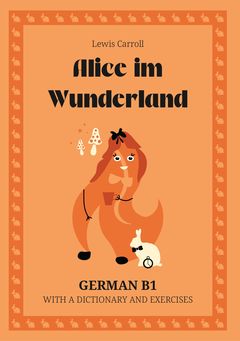
Cover of Alice im Wunderland – German B1 graded reader
E-bookTapa blanda

Alice im Wunderland in German at level B1 with dictionary

B1 German Glosario: inglés

by Lewis Carroll 5.0(6)

Tumble down the rabbit hole into a world where logic bends, cats grin, and queens demand heads. Absorb hundreds of B1 German words and phrases naturally, building comprehension effortlessly as you follow Alice's bizarre journey. A margin dictionary means you never break your reading flow....
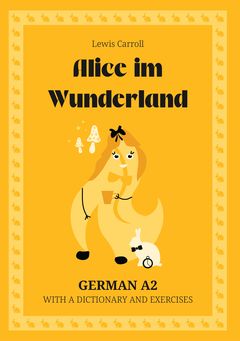
Cover of Alice im Wunderland – German A2 graded reader
E-bookTapa blanda

Alice im Wunderland in German at level A2 with dictionary

A2 German Glosario: inglés

by Lewis Carroll 5.0(3)

Tumble down the rabbit hole into a world where logic is optional and a grinning cat holds all the secrets. Absorb hundreds of real-world German words and phrases effortlessly, building A2 vocabulary that truly sticks. A margin dictionary ensures you never break your reading flow....

Cover of Alice im Wunderland – German A1 graded reader
E-bookTapa blandaAudiolibro

Alice im Wunderland in German at level A1 with dictionary

A1 German Glosario: inglés

by Lewis Carroll 5.0(4)

Imagine tumbling down a rabbit hole into a world where logic bends and queens scream "Off with their heads!" Master beginner German naturally as you follow Alice's wild journey, absorbing hundreds of real-world words without a textbook. A margin dictionary means you never break your reading flow....
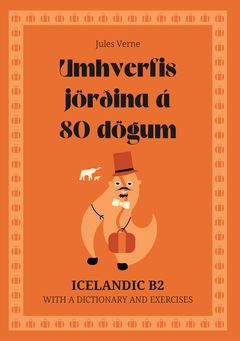
Cover of Umhverfis jörðina á 80 dögum – Icelandic B2 graded reader
E-bookTapa blanda

Umhverfis jörðina á 80 dögum in Icelandic at level B2 with dictionary

B2 Icelandic Glosario: inglés

by Jules Verne 5.0(6)

A daring wager, a relentless detective, and a race against the clock across continents. Master B2 Icelandic vocabulary and grammar naturally, absorbing hundreds of real-world words and phrases through a thrilling global adventure. A margin dictionary means you never break your reading flow....
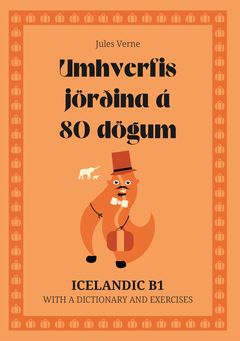
Cover of Umhverfis jörðina á 80 dögum – Icelandic B1 graded reader
E-bookTapa blanda

Umhverfis jörðina á 80 dögum in Icelandic at level B1 with dictionary

B1 Icelandic Glosario: inglés

by Jules Verne 5.0(15)

The clock is ticking. Your fortune and freedom hang in the balance as you race across continents, wrongly accused. Master B1 Icelandic vocabulary and grammar naturally, without textbooks, as you get lost in this timeless journey. A margin dictionary means you never break your reading flow....
Cover of 八十日間世界一周 – Japanese A2 graded reader
E-bookTapa blanda

八十日間世界一周 in Japanese at level A2 with dictionary

A2 Japanese Glosario: inglés

by Jules Verne 5.0(15)

A fortune wagered, a world to conquer in eighty days, and a relentless detective on your trail. Can you make it? You'll effortlessly absorb essential A2 Japanese vocabulary and grammar, building fluency through an unforgettable adventure. Margin notes ensure you never break your reading flow....
Cover of 八十日間世界一周 – Japanese A1 graded reader
E-bookTapa blandaAudiolibro

八十日間世界一周 in Japanese at level A1 with dictionary

A1 Japanese Glosario: inglés

by Jules Verne 5.0(15)

The clock is ticking. Can you outwit detectives and cross continents in just 80 days, with your fortune on the line? Absorb essential Japanese vocabulary and grammar naturally, building confidence with every page. Integrated furigana and a margin dictionary keep your learning smooth....
Cover of De reis om de wereld in tachtig dagen – Dutch B1 graded reader
E-bookTapa blanda

De reis om de wereld in tachtig dagen in Dutch at level B1 with dictionary

B1 Dutch Glosario: inglés

by Jules Verne 5.0(6)

Your fortune hangs in the balance, a detective is hot on your trail, and the world must be circumnavigated in just 80 days. Can you beat the clock? Master B1 Dutch vocabulary and grammar, effortlessly absorbing the language while lost in this thrilling adventure. A built-in margin dictionary ensures you never break your reading flow....
Cover of De reis om de wereld in tachtig dagen – Dutch A2 graded reader
E-bookTapa blanda

De reis om de wereld in tachtig dagen in Dutch at level A2 with dictionary

A2 Dutch Glosario: inglés

by Jules Verne 5.0(6)

The clock is ticking, a fortune is on the line, and a detective is hot on your heels across three continents. Master A2 Dutch vocabulary and grammar, absorbing the language naturally while lost in this thrilling adventure. A built-in glossary ensures you never miss a word....

Cover of Jorden rundt i 80 dage – Danish A2 graded reader
E-bookTapa blanda

Jorden rundt i 80 dage in Danish at level A2 with dictionary

A2 Danish Glosario: inglés

by Jules Verne 5.0(6)

The clock is ticking. Can you race across continents, outwit a detective, and win an impossible wager in just 80 days? You'll absorb hundreds of real-world Danish words and phrases naturally, building vocabulary that sticks effortlessly. A margin dictionary means you never break your reading flow....
Cover of Jorden rundt i 80 dage – Danish A1 graded reader
E-bookTapa blanda

Jorden rundt i 80 dage in Danish at level A1 with dictionary

A1 Danish Glosario: inglés

by Jules Verne 5.0(8)

A gentleman wagers his fortune on an impossible race against the clock: circumnavigate the world in just eighty days. Master beginner Danish vocabulary and grammar naturally, swept up in a thrilling global dash. A margin dictionary means you never break your reading flow....
Cover of 环游世界八十天 – Chinese B1 graded reader
E-bookTapa blanda

环游世界八十天 in Chinese at level B1 with dictionary

B1 Chinese Glosario: inglés

by Jules Verne 5.0(15)

Your fortune is on the line, a detective is hot on your heels, and the world must be circumnavigated in just 80 days. Master B1 Chinese vocabulary and grammar naturally, immersed in Fogg's thrilling race against time. Contextual notes clarify tricky B1 grammar, making learning seamless....
Cover of 环游世界八十天 – Chinese A2 graded reader
E-bookTapa blanda

环游世界八十天 in Chinese at level A2 with dictionary

A2 Chinese Glosario: inglés

by Jules Verne 5.0(15)

Imagine betting your entire fortune on a race against time, with a detective hot on your heels. Can you outrun the law and circle the globe in just 80 days? Immerse yourself in this classic adventure and effortlessly absorb A2 Chinese vocabulary and grammar, building fluency with every page. Integrated glossaries mean you'll never lose your place searching for words....
Cover of Jorden runt på 80 dagar – Swedish B1 graded reader
E-bookTapa blanda

Jorden runt på 80 dagar in Swedish at level B1 with dictionary

B1 Swedish Glosario: inglés

by Jules Verne 5.0(7)

A gentleman's impossible wager ignites a global chase, with a detective hot on his heels. Absorb B1 Swedish vocabulary and grammar naturally, mastering hundreds of real-world words as you race across continents. Contextual definitions in the margins keep your reading flow unbroken....
Cover of Jorden runt på 80 dagar – Swedish A2 graded reader
E-bookTapa blanda

Jorden runt på 80 dagar in Swedish at level A2 with dictionary

A2 Swedish Glosario: inglés

by Jules Verne 5.0(7)

The clock is ticking, a fortune is on the line, and a detective is hot on your heels across continents. Absorb essential A2 Swedish vocabulary and grammar effortlessly as you follow Phileas Fogg's incredible race against time. A margin dictionary means you never break your reading flow....
Cover of Jorden runt på 80 dagar – Swedish A1 graded reader
E-bookTapa blandaAudiolibro

Jorden runt på 80 dagar in Swedish at level A1 with dictionary

A1 Swedish Glosario: inglés

by Jules Verne 5.0(8)

A daring wager sends a meticulous Englishman on a global sprint, but a relentless detective is hot on his heels. Master beginner Swedish vocabulary and grammar, absorbing the language naturally through an unforgettable story. A built-in margin dictionary keeps you immersed, never breaking your reading flow....
Cover of Вокруг света за 80 дней – Russian B1 graded reader
E-bookTapa blanda

Вокруг света за 80 дней in Russian at level B1 with dictionary

B1 Russian Glosario: inglés

by Jules Verne 5.0(5)

The clock is ticking. Your fortune, and freedom, depend on circumnavigating the world in just 80 days, with a detective convinced you're a thief. Unlock B1 Russian fluency as you follow Fogg's epic journey, absorbing hundreds of real-world words without a textbook. A margin dictionary means you never break your reading flow....
Cover of Вокруг света за 80 дней – Russian A2 graded reader
E-bookTapa blanda

Вокруг света за 80 дней in Russian at level A2 with dictionary

A2 Russian Glosario: inglés

by Jules Verne 5.0(6)

The clock is ticking. A fortune hangs in the balance as you race across continents, pursued by a relentless detective. Absorb hundreds of real-world Russian words and phrases naturally, building A2 vocabulary that truly sticks. Contextual glossaries on every page keep you immersed in the story, not a dictionary....
Cover of Вокруг света за 80 дней – Russian A1 graded reader
E-bookTapa blandaAudiolibro

Вокруг света за 80 дней in Russian at level A1 with dictionary

A1 Russian Glosario: inglés

by Jules Verne 5.0(3)

The clock is ticking. Can you outrun a detective, rescue a princess, and circle the globe in just 80 days? Master beginner Russian naturally, immersed in this thrilling adventure, building vocabulary that sticks effortlessly....

Cover of Reise um die Erde in 80 Tagen – German A2 graded reader
E-bookTapa blanda

Reise um die Erde in 80 Tagen in German at level A2 with dictionary

A2 German Glosario: inglés

by Jules Verne 5.0(8)

A daring wager, a ticking clock, and a detective hot on your heels across three continents – can you make it back in time? You'll absorb German naturally, building vocabulary that sticks effortlessly, all while lost in a gripping, real story. A margin dictionary means you never break your reading flow, keeping you immersed....

Por qué funcionan las lecturas graduadas

La investigación confirma que la lectura extensiva es una de las formas más efectivas de construir vocabulario y mejorar la fluidez. Las lecturas graduadas ajustan la dificultad del texto a tu nivel CEFR — cada página es lo suficientemente desafiante para aprender, pero lo suficientemente fácil para disfrutar. Cada libro incluye un diccionario junto al texto, ejercicios por capítulo y práctica de vocabulario en línea.

Formatos: e-book, tapa blanda y superaudiolibro

Nuestras lecturas graduadas se publican en varios formatos. El texto, el nivel MCER y el glosario son los mismos en todos; solo cambia la forma de leer. Elige lo que encaje con tu día: el e-book en el móvil de camino al trabajo, papel y lápiz en el escritorio o el superaudiolibro cuando quieras leer y escuchar a la vez.

E-book (EPUB y PDF). Descargas los dos archivos nada más comprar y lees en un lector electrónico, el móvil, la tableta o el ordenador. Las palabras difíciles tienen su traducción en una nota emergente: un toque y vuelves a la historia, sin buscar en el diccionario. Cada capítulo termina con ejercicios de vocabulario, y un enlace te lleva a práctica gratuita en línea con las mismas palabras.

Tapa blanda. Un libro clásico de tapa blanda, impreso bajo demanda y enviado por correo. El glosario está en el margen, justo al lado de la palabra que explica, así que nunca tienes que pasar páginas. Los capítulos terminan con crucigramas y ejercicios de vocabulario, y los códigos QR te llevan con el móvil a la práctica en línea. Una buena opción si te gusta escribir en los libros o quieres descansar de las pantallas.

Formatos en esta lista (243 libros): E-book: 243 · Tapa blanda: 232 · Superaudiolibro: 68.

El superaudiolibro: lee, escucha y consulta el significado de las palabras a la vez

Un superaudiolibro es un audiolibro en formato karaoke. Un narrador lee el libro en voz alta mientras tienes delante el mismo texto, por el que avanza un marcador palabra por palabra. Siempre sabes qué palabra estás oyendo, así que nunca te pierdes, aunque el narrador hable más rápido de lo que lees. Los oídos les dicen a los ojos cómo suena una palabra escrita, y los ojos les dicen a los oídos cómo se escribe lo que oyes: los dos caminos refuerzan las mismas palabras a la vez.

La diferencia se nota sobre todo cuando aparece una palabra que no conoces. En un audiolibro normal desaparece en un segundo; en un superaudiolibro sigue a tu alcance: las palabras del glosario están marcadas en color y, si mantienes pulsada una, ves su traducción a tu idioma. Compruebas el significado, sigues escuchando y no pierdes el hilo. Con un control deslizante ajustas la velocidad del narrador entre 0,5× y 1,5×: al principio la bajas para captar cada sílaba y, con el tiempo, la subes hasta el ritmo natural del habla. Las palabras que encuentras al leer vuelven después en ejercicios breves en la aplicación, como un minicrucigrama o formar una palabra con sus letras.

Leer mientras se escucha tiene un buen respaldo en la investigación. En un programa canadiense descrito por Lightbown y sus colegas (2002), unos niños que durante tres años aprendieron inglés solo de esta manera —leyendo libros mientras escuchaban sus grabaciones— entendían el idioma igual de bien o mejor que sus compañeros con clases tradicionales. Waring y Takaki (2003) mostraron que hay que encontrarse con una palabra al menos ocho veces para tener siquiera un 50 % de probabilidades de reconocerla tres meses después. Volver a escuchar un capítulo te da justo esos encuentros extra con las mismas palabras, sin necesidad de un texto nuevo.

En los niveles A1 y A2, el superaudiolibro te ayuda a relacionar la ortografía con la pronunciación, algo especialmente útil en idiomas que no se leen como se escriben o que usan otro alfabeto. En B1 y B2 te lleva al ritmo del habla real, así que te acostumbras a escuchar con fluidez y dejas de detenerte en cada frase. A los lectores avanzados el narrador a menudo no les hace falta; por eso decides tú cuándo activarlo y cuándo leer en silencio.

El superaudiolibro funciona en la aplicación Pentecost o en el navegador, en el móvil, la tableta y el ordenador. Puedes añadirlo a un e-book: en la página del libro, marca «Añadir el audiolibro» en la tarjeta del e-book; si ya tienes el e-book, puedes comprar la grabación por separado. Con el acceso ilimitado escuchas sin límite todos los superaudiolibros grabados y, cada mes, puedes desbloquear la grabación de un libro que todavía no la tiene: se graba para ti y la aplicación te avisa cuando está lista. El filtro Audiolibro muestra los títulos con grabación, y puedes escuchar una muestra gratuita sin crear una cuenta.

Sobre los escritores y el equipo lingüístico

Primero los autores clásicos de esta lista; después los editores de Pentecost que adaptaron estas lecturas.

  • Antoine de Saint-Exupéry: Antoine de Saint-Exupéry (1900–1944) fue un escritor y aviador francés que se inspiró en sus propias aventuras en el aire. En 1944 su avión desapareció sobre el Mediterráneo durante un vuelo de reconocimiento, y los restos no se hallaron hasta más de medio siglo después.
  • Arthur Conan Doyle: Arthur Conan Doyle (1859–1930) fue un médico y escritor escocés, creador de Sherlock Holmes. El genial detective se inspiró en su profesor universitario, el doctor Joseph Bell, célebre por su agudísima capacidad de observación.
  • George Orwell: George Orwell (1903–1950) era el seudónimo de Eric Arthur Blair, un escritor inglés que combatió en la Guerra Civil española. Acuñó términos como «Gran Hermano» y «neolengua», y su nombre dio origen al adjetivo «orwelliano».
  • Jane Austen: Jane Austen (1775–1817) fue una novelista inglesa cuyas obras se publicaron de forma anónima en vida, firmadas solo como «By a Lady». Completó apenas seis novelas y hoy su retrato aparece en el billete británico de 10 libras.
  • Jules Verne: Jules Verne (1828–1905) fue un escritor francés considerado el padre de la ciencia ficción y uno de los autores más traducidos del mundo. En sus novelas anticipó los submarinos y los viajes espaciales mucho antes de que existieran.
  • Lewis Carroll: Lewis Carroll (1832–1898) era el seudónimo de Charles Dodgson, matemático y lógico de Oxford. Inventó la historia de Alicia durante un paseo en barca, para entretener a una niña real llamada Alice Liddell.
  • Louisa May Alcott: Louisa May Alcott (1832–1888) fue una escritora estadounidense que creció entre los transcendentalistas: Ralph Waldo Emerson y Henry David Thoreau eran amigos de la familia. Durante la Guerra de Secesión trabajó como enfermera y, antes de hacerse famosa, publicó novelas de intriga bajo el seudónimo masculino A. M. Barnard.
  • Lucy Maud Montgomery: Lucy Maud Montgomery (1874–1942) fue una escritora canadiense de la Isla del Príncipe Eduardo que ambientó sus novelas en los paisajes de su infancia. Gracias a «Ana, la de Tejas Verdes», la isla se convirtió en lugar de peregrinación para lectores de todo el mundo.

Traducción y edición

Los editores de Pentecost ajustan el vocabulario y las notas para que la historia se entienda bien en tu nivel.

  • Aino Snow: Aino Snow adapts Finnish fiction for English-speaking readers in the graded-reader series. Finnish cases and consonant gradation get short, reusable glosses instead of a grammar essay on every page. She prefers footnotes that point forward—hinting that a form will return—so readers start to recognise patterns.
  • Angela Borderkeeper: Angela Borderkeeper adapts German-language stories for English readers who are building vocabulary through extensive reading. She balances literal clarity with readable English, especially where German stacks nouns or uses modal particles that do not map neatly. Her side notes focus on collocations learners will meet again in real newspapers and podcasts.
  • Aniela Pogranicznik: Aniela Pogranicznik przygotowuje polskie opracowania tekstów niemieckich w serii dla samouków. Zwraca uwagę na to, by zdania były krótkie tam, gdzie trzeba, ale żeby nie straciły naturalnego szyku — szczególnie w scenach dialogowych. Często wraca do swoich notatek z kursów dla nauczycieli, gdy układa glosariusze i przypisy do trudniejszych zwrotów.
  • Anne Frank: Anne Frank edits English support text for Dutch originals in the series. She is careful with false friends between Dutch and English and flags them early in the glossary. When a joke depends on word order, she looks for an English equivalent that keeps the beat of the scene instead of explaining the punchline away.
  • Catherine Thief: Catherine Thief edits English support layers for Portuguese originals, comparing European and Brazilian variants when the source mixes them. She prefers one clear editorial choice per title rather than hedging in every footnote. She reads aloud to catch phrasing that still sounds like translationese.
  • Christine Guardian: Christine Guardian edits graded-reader adaptations of French fiction for English-speaking adults. She keeps an eye on register—literary French can sound stiff in English if you translate every clause—and prefers footnotes that support the scene rather than pause it. She still reads long-form journalism in French to stay close to how people actually write today.
  • Clara Fieldlove: Clara Fieldlove edits English-language scaffolding around Spanish narratives for the extensive-reading list. She steers clear of over-literal cognates that mislead beginners and prefers short glosses tied to the immediate context. She has a soft spot for dialogue-heavy chapters where rhythm matters as much as vocabulary.
  • Edwina Finbow: Edwina Finbow edits English-facing material for Icelandic fiction in the graded-reader programme. Icelandic inflection and compound formation get one clear gloss at first occurrence, then lighter reminders. She likes crime and family drama where everyday vocabulary does most of the storytelling work.
  • Grace Earthland: Grace Earthland prepares English commentary for Norwegian texts in the graded-reader programme. Norwegian’s compact clauses can read abrupt in English; she smooths the seams while keeping the emotional temperature of the scene. She coordinates closely with whoever writes the chapter exercises so examples match the chapter’s new items.
  • Greta Thunderhill: Greta Thunderhill adapts Swedish fiction for English-speaking learners using the Pentecost graded format. She keeps an eye on compound words that look long but are common in Swedish, and explains them once where they recur. She likes endings where the payoff is emotional rather than lexical—those need the lightest touch in the notes.
  • Helen Rainbow: Helen Rainbow prepares the English support layer for Hawaiian texts in the graded-reader programme. The ʻokina and the kahakō change what a word means, so she keeps them in every gloss instead of tidying them away. She watches the a-class and o-class possessives, where English “my” hides a distinction Hawaiian insists on.
  • Inga Clay: Inga Clay prepares English-facing materials for Danish fiction in the graded-reader line. Danish often drops subjects; she makes sure the English scaffolding still feels natural while the original stays visible on the facing page or in the margin notes. She enjoys working on small-town settings where everyday vocabulary carries most of the plot.
  • Katarzyna Złodziej: Katarzyna Złodziej przygotowuje polskie teksty towarzyszące portugalskojęzycznej beletrystyce w serii na różne poziomy CEFR. Bacznie rozróżnia wariant europejski i brazylijski, gdy w oryginale ma to znaczenie. W pracy redakcyjnej woli jedną jasną decyzję niż pięć kompromisów, które rozmywają głos narratora.
  • Klara Linden: Klara Linden adapts Czech fiction for English-speaking readers in the Pentecost graded line. Seven cases and verb aspect carry what English does with prepositions and auxiliaries; she glosses an aspect pair once and lets the story repeat it. She points out where Czech word order carries the emphasis English would mark with stress.
  • Klara Polanowicz: Klara Polanowicz tłumaczy i upraszcza hiszpańskojęzyczne narracje dla polskich czytelników w serii lektur gradowanych. Często pracuje nad rejestrem: hiszpański z Ameryki Łacińskiej i z Półwyspu wymaga innych decyzji po polsku. W przypisach stawia na krótkość i kontekst, żeby słownik nie zasłaniał fabuły.
  • Krystyna Strażnik: Krystyna Strażnik od lat zajmuje się przekładem i redakcją tekstów literackich z francuskiego na polski dla dorosłych czytelników. W pracy nad wersjami uproszczonymi pilnuje, by poziom słownictwa zgadzał się z etykietą CEFR, a jednocześnie nie gubił się humor ani rytm dialogów. Prywatnie dużo czyta współczesną prozę francuskojęzyczną i chętnie poleca tytuły, które dobrze brzmią także po polsku.
  • Małgorzata Strzecharz: Małgorzata Strzecharz redaguje polskie wersje uproszczonych lektur do nauki angielskiego — od poziomów początkowych po średniozaawansowane. Łączy doświadczenie szkolne z pracą przy materiałach do czytania ekstensywnego: ważne jest dla niej, żeby bohaterowie nie brzmieli jak sztucznie uproszczone manekiny. Po godzinach i tak sięga po anglojęzyczne kryminały, bo lubi sprawdzać, jak brzmi żywy, współczesny idiom.
  • Margarete Reetdachdeckerin: Margarete Reetdachdeckerin verantwortet die deutsche Bearbeitung begleitender Texte zu englischsprachigen Lektüren der gestuften Reihe. Sie erklärt Phrasal verbs und idiomatische Kurzformen so, dass sie im Kapitel wiedererkennbar werden, ohne dass jede Seite zur Grammatiktafel wird. Sie liest laut, wenn ein Dialog noch nach Übungsbuch klingt.
  • Margherita Tettaiola: Margherita Tettaiola scrive e rivede testi in inglese con un occhio al lettore che passa dalle scuole superiori a esigenze professionali. Si occupa soprattutto di rendere le sfumature colloquiali comprensibili, senza cadere in calchi che suonano finti agli nativi. I glossari che prepara privilegiano le collocazioni, quelle combinazioni di parole che fanno suonare naturale una frase. Quando introduce un autore, preferisce poche biografie fattuali e un contesto culturale che renda plausibili le scelte stilistiche.
  • Marie Bender: Marie Bender adapts Polish literary texts for English speakers learning Polish through parallel reading and footnoted editions. She explains case endings and aspect pairs in short, plain English, then lets the Polish carry the voice of the narrator. She reads each chapter twice: once for accuracy, once for pace.
  • Mary Guide: Mary Guide edits English-facing material for Japanese originals in the series. She explains honorifics and sentence-final particles in plain English without turning every line into a lecture. She still listens to casual Japanese podcasts to keep colloquial markers feeling current in the notes.
  • Nora Harper: Nora Harper edits the English notes for Irish texts in the extensive-reading list. Initial mutations hide the form a learner would look up, so her first gloss gives the plain word beside the one on the page. She keeps the “tá … ag” way of owning things apart from the copula, because English “is” blurs both.
  • Pauline Bird: Pauline Bird adapts Chinese-language fiction for English readers in the graded-reader line. She helps decide when to gloss a measure word, a place name, or a four-character idiom, and when context can carry the load. She likes contemporary urban settings because they recycle high-frequency vocabulary in natural ways.
  • Renata Górski: Renata Górski przygotowuje polskie opracowania włoskiej beletrystyki w poziomach od A1 wzwyż. Wychodzi z założenia, że czytanie ma być przyjemnością, nie ćwiczeniem mechanicznym, więc czasem walczy z redakcją o jeden przymiotnik więcej, jeśli ratuje klimat sceny. Zna dobrze włoskie dialekty tylko z literatury, ale to wystarczy, żeby nie mylić Toskanii z północą w dialogu.
  • Rita Bergmann: Rita Bergmann redigiert vereinfachte italienische Texte mit deutscher Unterstützungsebene für die Serie. Regionale Marker—Norden, Süden, Stadt vs. Land—versieht sie mit leichten Hinweisen, wo sie die Handlung tragen. Ihr Ziel bleibt: flüssig lesen, ohne jede Zeile im Wörterbuch zu verbringen.
  • Rita Mounts: Rita Mounts works on English notes and simplified renderings for Italian fiction in the graded series. She watches out for regional markers—north versus south—that English readers might miss without a light gloss. Her goal is that someone on a commute can follow the plot without stopping every line.
  • Ruta Amber: Ruta Amber prepares the English commentary for Lithuanian texts in the graded-reader programme. Lithuanian leans on participles where English would open a new clause, so she unpacks the first few and then trusts repetition. She notes the diminutives that carry affection rather than size, which a literal gloss loses.
  • Sophie Stay-Maggot: Sophie Stay-Maggot works on English notes for Russian fiction in the graded series. She balances literary archaism with the labelled CEFR level, sometimes marking a form as “recognition only” so readers are not asked to produce it too early. She pays extra attention to names, patronymics, and diminutives that carry social information.
  • Theresa White: Theresa White edits English support text for Hebrew originals in the extensive-reading list. She distinguishes modern Israeli usage from biblical echoes when it matters for comprehension, and keeps glosses short enough not to bury the plot. She coordinates Hebrew spelling and vocalisation choices across a whole book so they stay consistent.
  • Zofia Postojska-Czerwień: Zofia Postojska-Czerwień redaguje polskie wersje rosyjskojęzycznych tekstów w serii dla samouków. Dobrze czuje różnice między współczesnym idiomem a archaizmem literackim i stara się nie mieszać ich w jednym poziomie trudności bez sygnału dla czytelnika. Lubi pracę nad dialogiem: rosyjski potrafi być bardzo bezpośredni, a polski wymaga czasem innego balansu grzecznościowego.
  • Мария Гибкая: Мария Гибкая работает с польскими падежными цепочками так, чтобы они подкрепляли сюжет, а не отвлекали от него. В сносках — минимальный парадигматический набор и один-два примера; задания строго на формы, встреченные в тексте. Перед печатью она сверяет падежные подсказки с фактическими формами в тексте, чтобы не осталось «висячих» ссылок на несуществующие окончания.

Cada libro está disponible como ebook (EPUB y PDF) y en tapa blanda. Muchos títulos también como audiolibro: un narrador lee en la aplicación mientras cada palabra se ilumina, como en el karaoke.