Znajdź idealną książkę na swój poziom

Czytaj uproszczone lektury ze słownikiem przy tekście, ćwiczeniami do każdego rozdziału i kodami QR do ćwiczeń online. E-book i miękka okładka.

4.99 z 2074 opinii
211 książek

Każda książka jest dostępna jako e-book (EPUB i PDF) oraz jako książka papierowa w miękkiej okładce.

211 books found

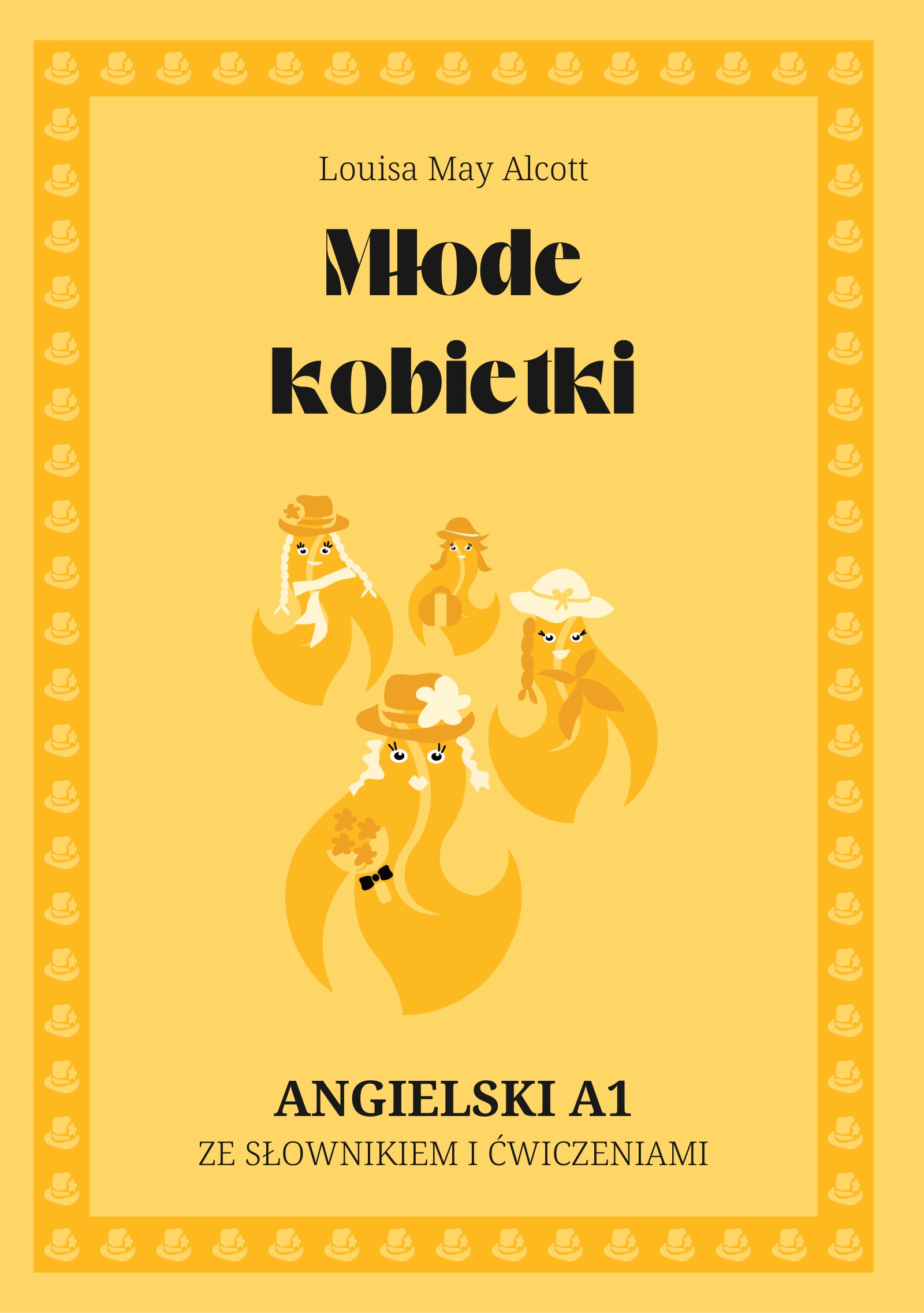
Cover of Little Women – English A1 graded reader

Little Women po angielsku na poziomie A1 ze słownikiem

A1 English

by Louisa May Alcott dla polskojęzycznych uczniów

Wyobraź sobie życie bez ojca, w cieniu wojny, gdzie jedynym schronieniem jest siostrzana miłość. Czytając o ich losach, naturalnie przyswoisz angielski A1 i setki nowych słów, zapominając, że się uczysz. Słowniczek na marginesie sprawi, że nigdy nie przerwiesz lektury....
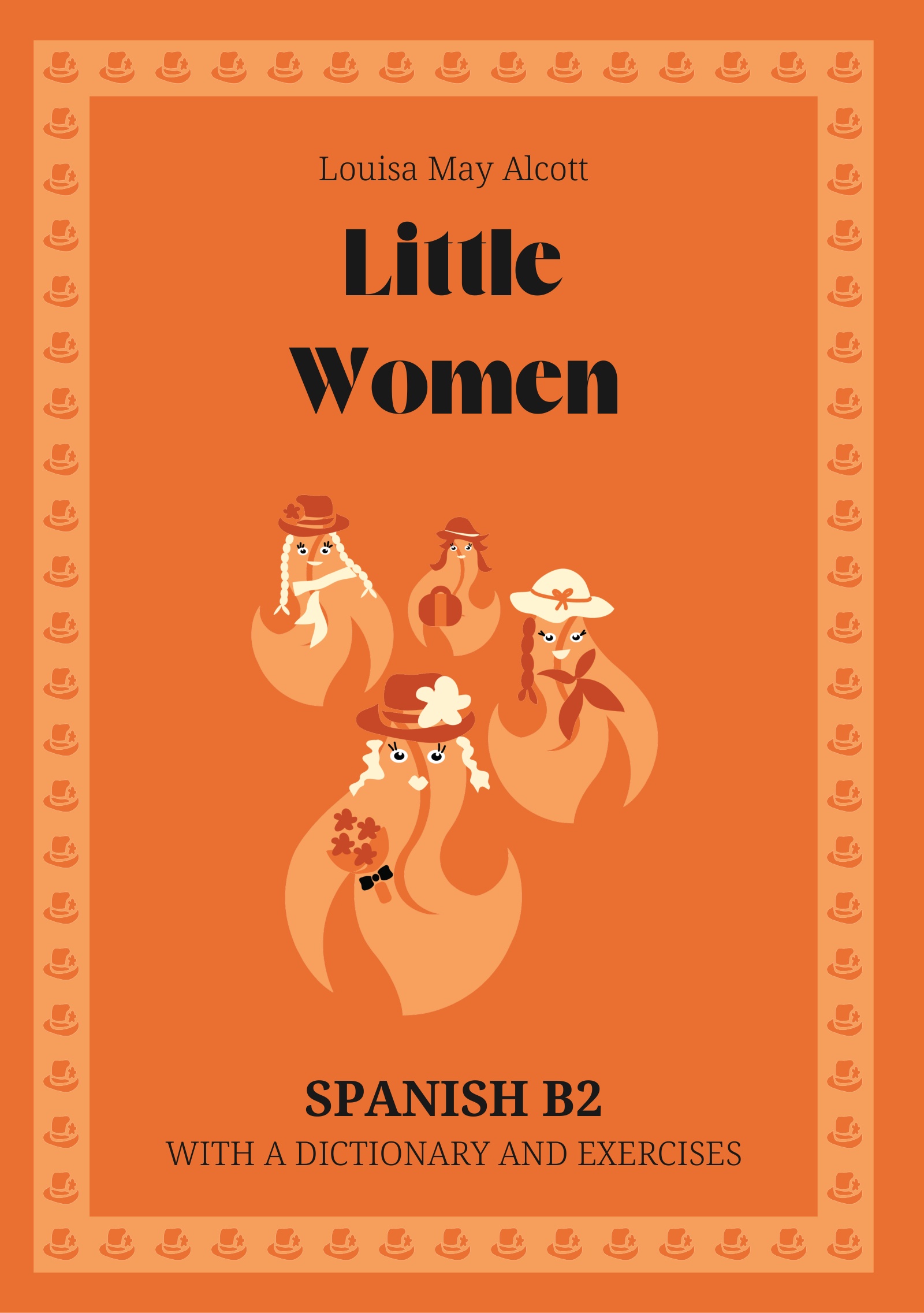
Cover of Mujercitas – Spanish B2 graded reader

Mujercitas in Spanish at level B2 with dictionary

B2 Spanish

by Louisa May Alcott dla anglojęzycznych uczniów

Will spirited Jo ever find her voice, or will society's expectations silence her dreams forever? Immerse yourself in rich Spanish dialogue, building your B2 vocabulary and comprehension naturally, without a textbook. A margin dictionary means you never break your reading flow....
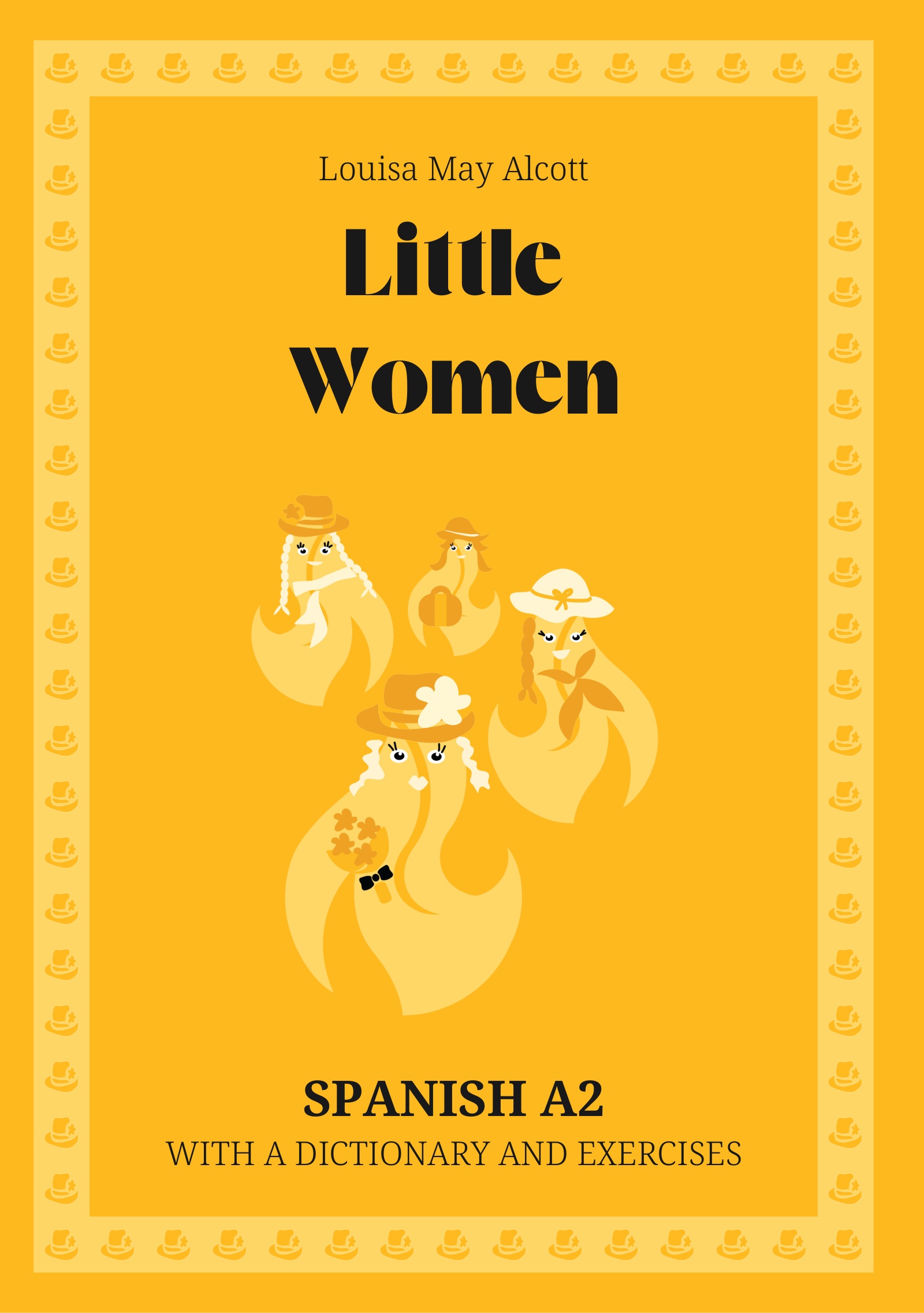
Cover of Mujercitas – Spanish A2 graded reader

Mujercitas in Spanish at level A2 with dictionary

A2 Spanish

by Louisa May Alcott dla anglojęzycznych uczniów

Feel the warmth of family, the sting of loss, and the thrill of first love through the eyes of four unforgettable sisters. As you follow their journey, you'll naturally absorb essential Spanish vocabulary and grammar, building comprehension effortlessly. A built-in margin dictionary keeps you immersed, never breaking your reading flow....
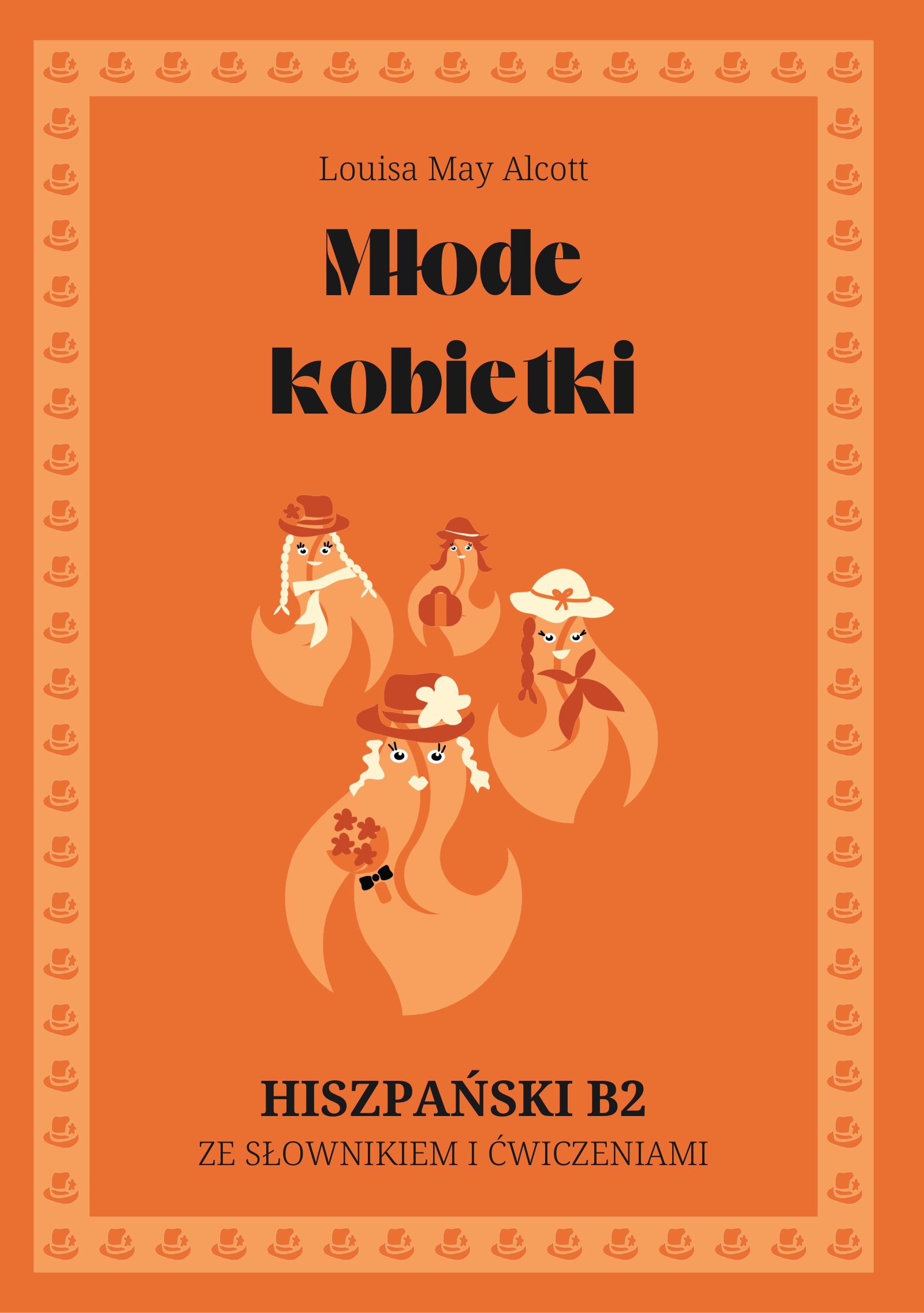
Cover of Mujercitas – Spanish B2 graded reader

Mujercitas po hiszpańsku na poziomie B2 ze słownikiem

B2 Spanish

by Louisa May Alcott dla polskojęzycznych uczniów

Wojna szaleje, a cztery siostry March uczą się, co naprawdę znaczy miłość i poświęcenie. Śledź ich losy i bez wysiłku opanuj hiszpański B2, wzbogacając słownictwo w kontekście prawdziwych emocji....
Cover of Алиса в Стране чудес – Russian B2 graded reader

Алиса в Стране чудес in Russian at level B2 with dictionary

B2 Russian

by Lewis Carroll dla anglojęzycznych uczniów

Imagine falling into a world where logic bends, cats grin, and queens demand heads for tea. Master B2 Russian vocabulary and grammar effortlessly, immersed in Alice's bewildering journey through a world gone mad. A margin dictionary means you never break your reading flow....
Cover of Алиса в Стране чудес – Russian B1 graded reader

Алиса в Стране чудес in Russian at level B1 with dictionary

B1 Russian

by Lewis Carroll dla anglojęzycznych uczniów

Imagine tumbling down a rabbit hole into a world where logic bends and queens demand heads. Absorb hundreds of real-world Russian words and phrases naturally, building your B1 vocabulary and comprehension effortlessly. A margin dictionary means you never break your reading flow....
Cover of Алиса в Стране чудес – Russian A2 graded reader

Алиса в Стране чудес in Russian at level A2 with dictionary

A2 Russian

by Lewis Carroll dla anglojęzycznych uczniów

Imagine falling into a world where logic bends and queens scream "Off with their heads!" Absorb hundreds of real-world Russian words and phrases effortlessly as you navigate Wonderland's chaos. A margin dictionary means you never break your reading flow....
Cover of Алиса в Стране чудес – Russian A1 graded reader

Алиса в Стране чудес in Russian at level A1 with dictionary

A1 Russian

by Lewis Carroll dla anglojęzycznych uczniów

Imagine tumbling into a world where logic is upside down and a queen screams "Off with their heads!" Get lost in Alice's whimsical Russian adventure and effortlessly absorb hundreds of new words and phrases. A margin dictionary keeps you immersed without ever breaking your reading flow....
Cover of Alice au pays des merveilles – French B2 graded reader

Alice au pays des merveilles in French at level B2 with dictionary

B2 French

by Lewis Carroll dla anglojęzycznych uczniów

Shrink, grow, and navigate a world where "off with their heads!" is a common greeting. Absorb complex French structures and vocabulary naturally, building confidence with every madcap encounter. Contextual notes clarify tricky idioms and cultural nuances....
Cover of Alice au pays des merveilles – French B1 graded reader

Alice au pays des merveilles in French at level B1 with dictionary

B1 French

by Lewis Carroll dla anglojęzycznych uczniów

What if your next French lesson plunged you into a world of mad tea parties, grinning cats, and a queen who screams 'Off with their heads!'? Absorb hundreds of B1 French words and phrases effortlessly as you follow Alice's bizarre journey, building vocabulary that truly sticks....
Cover of Alice au pays des merveilles – French A2 graded reader

Alice au pays des merveilles in French at level A2 with dictionary

A2 French

by Lewis Carroll dla anglojęzycznych uczniów

One moment you're bored, the next you're shrinking, growing, and facing a furious queen who screams 'Off with their heads!' Master A2 French vocabulary and grammar naturally, absorbing hundreds of real-world words as you navigate Wonderland's whimsical chaos. Integrated vocabulary support keeps you immersed....
Cover of Alice au pays des merveilles – French A1 graded reader

Alice au pays des merveilles in French at level A1 with dictionary

A1 French

by Lewis Carroll dla anglojęzycznych uczniów

One moment you're normal, the next you're tiny or towering, facing a queen who screams "Off with their heads!" Dive into this whimsical chaos and effortlessly absorb hundreds of real-world French words and phrases, building vocabulary that truly sticks....
Cover of Alicia en el país de las maravillas – Spanish B2 graded reader

Alicia en el país de las maravillas in Spanish at level B2 with dictionary

B2 Spanish

by Lewis Carroll dla anglojęzycznych uczniów

You're falling, falling, into a world where logic bends and a queen screams "Off with their heads!" Absorb hundreds of B2 Spanish words and phrases naturally, building vocabulary that sticks as you navigate Wonderland's absurdities. A margin dictionary keeps your reading flow unbroken....
Cover of Alicia en el país de las maravillas – Spanish B1 graded reader

Alicia en el país de las maravillas in Spanish at level B1 with dictionary

B1 Spanish

by Lewis Carroll dla anglojęzycznych uczniów

Tumble down the rabbit hole into a world where logic is a myth and a queen screams 'Off with their heads!' Master intermediate Spanish vocabulary and grammar, effortlessly absorbing the language through Alice's bizarre adventures. Contextual notes clarify tricky phrases, keeping you immersed in the story....
Cover of Alicia en el país de las maravillas – Spanish A2 graded reader

Alicia en el país de las maravillas in Spanish at level A2 with dictionary

A2 Spanish

by Lewis Carroll dla anglojęzycznych uczniów

What if your Spanish journey began with a frantic White Rabbit and a tea party that never ends? Master A2 Spanish naturally, absorbing essential grammar and vocabulary as you get lost in Alice's bizarre adventure. A margin dictionary means you never break your reading flow....
Cover of Alicia en el país de las maravillas – Spanish A1 graded reader

Alicia en el país de las maravillas in Spanish at level A1 with dictionary

A1 Spanish

by Lewis Carroll dla anglojęzycznych uczniów

Imagine tumbling down a rabbit hole into a world where logic bends and cats grin. Absorb hundreds of real-world Spanish words and phrases effortlessly as you follow Alice's journey. A margin dictionary means you never break your reading flow....
Cover of Alice im Wunderland – German B2 graded reader

Alice im Wunderland in German at level B2 with dictionary

B2 German

by Lewis Carroll dla anglojęzycznych uczniów

Imagine a world where tea parties are always mad, cats grin impossibly, and queens scream "Off with their heads!" Dive into Alice's bizarre German adventure and effortlessly absorb B2 vocabulary and grammar, building fluency that truly sticks....
Cover of Alice im Wunderland – German B1 graded reader

Alice im Wunderland in German at level B1 with dictionary

B1 German

by Lewis Carroll dla anglojęzycznych uczniów

Tumble down the rabbit hole into a world where logic bends, cats grin, and queens demand heads. Absorb hundreds of B1 German words and phrases naturally, building comprehension effortlessly as you follow Alice's bizarre journey. A margin dictionary means you never break your reading flow....
Cover of Alice im Wunderland – German A2 graded reader

Alice im Wunderland in German at level A2 with dictionary

A2 German

by Lewis Carroll dla anglojęzycznych uczniów

Tumble down the rabbit hole into a world where logic is optional and a grinning cat holds all the secrets. Absorb hundreds of real-world German words and phrases effortlessly, building A2 vocabulary that truly sticks. A margin dictionary ensures you never break your reading flow....
Cover of Alice im Wunderland – German A1 graded reader

Alice im Wunderland in German at level A1 with dictionary

A1 German

by Lewis Carroll dla anglojęzycznych uczniów

Imagine tumbling down a rabbit hole into a world where logic bends and queens scream "Off with their heads!" Master beginner German naturally as you follow Alice's wild journey, absorbing hundreds of real-world words without a textbook. A margin dictionary means you never break your reading flow....

Dlaczego lektury uproszczone działają

Badania potwierdzają, że czytanie ekstensywne to jedna z najskuteczniejszych metod budowania słownictwa i poprawy płynności. Lektury uproszczone dopasowują trudność tekstu do Twojego poziomu CEFR, dzięki czemu każda strona jest wystarczająco wymagająca, by się uczyć, ale na tyle łatwa, by czerpać przyjemność z czytania. Każda książka zawiera słownik przy tekście, ćwiczenia do każdego rozdziału i dostęp do ćwiczeń online.

O pisarzach i zespole językowym

Najpierw klasycy z tej listy; niżej redaktorzy Pentecost, którzy dostosowali te lektury.

  • Antoine de Saint-Exupéry: Antoine de Saint-Exupéry (1900–1944) był francuskim pisarzem i pilotem, który czerpał z własnych lotniczych przygód. W 1944 roku jego samolot zniknął nad Morzem Śródziemnym podczas lotu zwiadowczego, a wrak odnaleziono dopiero po ponad pół wieku.
  • Arthur Conan Doyle: Arthur Conan Doyle (1859–1930) był szkockim lekarzem i pisarzem, twórcą Sherlocka Holmesa. Pierwowzorem genialnego detektywa był jego uniwersytecki wykładowca, doktor Joseph Bell, słynący z błyskotliwych obserwacji.
  • George Orwell: George Orwell (1903–1950) to pseudonim Erica Arthura Blaira, angielskiego pisarza, który walczył w hiszpańskiej wojnie domowej. Ukuł pojęcia takie jak „Wielki Brat” i „nowomowa”, a od jego nazwiska pochodzi przymiotnik „orwellowski”.
  • Jane Austen: Jane Austen (1775–1817) była angielską pisarką, której powieści za życia ukazywały się anonimowo, podpisane jedynie „By a Lady” (Pióra pewnej damy). Ukończyła zaledwie sześć powieści, a dziś jej podobizna zdobi brytyjski banknot dziesięciofuntowy.
  • Jules Verne: Jules Verne (1828–1905) był francuskim pisarzem nazywanym ojcem fantastyki naukowej i jednym z najczęściej tłumaczonych autorów świata. W swoich powieściach przewidział między innymi łodzie podwodne i loty w kosmos na długo przed ich wynalezieniem.
  • Lewis Carroll: Lewis Carroll (1832–1898) to pseudonim Charlesa Dodgsona, oksfordzkiego matematyka i logika. Historię o Alicji wymyślił podczas przejażdżki łodzią, by zabawić małą Alice Liddell — prawdziwą dziewczynkę, córkę swojego znajomego.
  • Louisa May Alcott: Louisa May Alcott (1832–1888) była amerykańską pisarką, która dorastała wśród myślicieli transcendentalizmu — przyjaciółmi rodziny byli Ralph Waldo Emerson i Henry David Thoreau. W czasie wojny secesyjnej pracowała jako pielęgniarka, a wcześniej publikowała pełne grozy powieści pod męskim pseudonimem A.M. Barnard.
  • Lucy Maud Montgomery: Lucy Maud Montgomery (1874–1942) była kanadyjską pisarką z Wyspy Księcia Edwarda, która osadziła swoje powieści w krajobrazach z dzieciństwa. Dzięki „Ani z Zielonego Wzgórza” wyspa stała się celem pielgrzymek czytelników z całego świata.

Tłumaczenia i redakcja

Redakcja Pentecost dobiera słownictwo i przypisy tak, by historia była zrozumiała na Twoim poziomie.

  • Angela Borderkeeper: Angela Borderkeeper adapts German-language stories for English readers who are building vocabulary through extensive reading. She balances literal clarity with readable English, especially where German stacks nouns or uses modal particles that do not map neatly. Her side notes focus on collocations learners will meet again in real newspapers and podcasts.
  • Aniela Pogranicznik: Aniela Pogranicznik przygotowuje polskie opracowania tekstów niemieckich w serii dla samouków. Zwraca uwagę na to, by zdania były krótkie tam, gdzie trzeba, ale żeby nie straciły naturalnego szyku — szczególnie w scenach dialogowych. Często wraca do swoich notatek z kursów dla nauczycieli, gdy układa glosariusze i przypisy do trudniejszych zwrotów.
  • Anne Frank: Anne Frank edits English support text for Dutch originals in the series. She is careful with false friends between Dutch and English and flags them early in the glossary. When a joke depends on word order, she looks for an English equivalent that keeps the beat of the scene instead of explaining the punchline away.
  • Catherine Thief: Catherine Thief edits English support layers for Portuguese originals, comparing European and Brazilian variants when the source mixes them. She prefers one clear editorial choice per title rather than hedging in every footnote. She reads aloud to catch phrasing that still sounds like translationese.
  • Christine Guardian: Christine Guardian edits graded-reader adaptations of French fiction for English-speaking adults. She keeps an eye on register—literary French can sound stiff in English if you translate every clause—and prefers footnotes that support the scene rather than pause it. She still reads long-form journalism in French to stay close to how people actually write today.
  • Clara Fieldlove: Clara Fieldlove edits English-language scaffolding around Spanish narratives for the extensive-reading list. She steers clear of over-literal cognates that mislead beginners and prefers short glosses tied to the immediate context. She has a soft spot for dialogue-heavy chapters where rhythm matters as much as vocabulary.
  • Edwina Finbow: Edwina Finbow edits English-facing material for Icelandic fiction in the graded-reader programme. Icelandic inflection and compound formation get one clear gloss at first occurrence, then lighter reminders. She likes crime and family drama where everyday vocabulary does most of the storytelling work.
  • Grace Earthland: Grace Earthland prepares English commentary for Norwegian texts in the graded-reader programme. Norwegian’s compact clauses can read abrupt in English; she smooths the seams while keeping the emotional temperature of the scene. She coordinates closely with whoever writes the chapter exercises so examples match the chapter’s new items.
  • Greta Thunderhill: Greta Thunderhill adapts Swedish fiction for English-speaking learners using the Pentecost graded format. She keeps an eye on compound words that look long but are common in Swedish, and explains them once where they recur. She likes endings where the payoff is emotional rather than lexical—those need the lightest touch in the notes.
  • Inga Clay: Inga Clay prepares English-facing materials for Danish fiction in the graded-reader line. Danish often drops subjects; she makes sure the English scaffolding still feels natural while the original stays visible on the facing page or in the margin notes. She enjoys working on small-town settings where everyday vocabulary carries most of the plot.
  • Katarzyna Złodziej: Katarzyna Złodziej przygotowuje polskie teksty towarzyszące portugalskojęzycznej beletrystyce w serii na różne poziomy CEFR. Bacznie rozróżnia wariant europejski i brazylijski, gdy w oryginale ma to znaczenie. W pracy redakcyjnej woli jedną jasną decyzję niż pięć kompromisów, które rozmywają głos narratora.
  • Klara Polanowicz: Klara Polanowicz tłumaczy i upraszcza hiszpańskojęzyczne narracje dla polskich czytelników w serii lektur gradowanych. Często pracuje nad rejestrem: hiszpański z Ameryki Łacińskiej i z Półwyspu wymaga innych decyzji po polsku. W przypisach stawia na krótkość i kontekst, żeby słownik nie zasłaniał fabuły.
  • Krystyna Strażnik: Krystyna Strażnik od lat zajmuje się przekładem i redakcją tekstów literackich z francuskiego na polski dla dorosłych czytelników. W pracy nad wersjami uproszczonymi pilnuje, by poziom słownictwa zgadzał się z etykietą CEFR, a jednocześnie nie gubił się humor ani rytm dialogów. Prywatnie dużo czyta współczesną prozę francuskojęzyczną i chętnie poleca tytuły, które dobrze brzmią także po polsku.
  • Małgorzata Strzecharz: Małgorzata Strzecharz redaguje polskie wersje uproszczonych lektur do nauki angielskiego — od poziomów początkowych po średniozaawansowane. Łączy doświadczenie szkolne z pracą przy materiałach do czytania ekstensywnego: ważne jest dla niej, żeby bohaterowie nie brzmieli jak sztucznie uproszczone manekiny. Po godzinach i tak sięga po anglojęzyczne kryminały, bo lubi sprawdzać, jak brzmi żywy, współczesny idiom.
  • Margarete Reetdachdeckerin: Margarete Reetdachdeckerin verantwortet die deutsche Bearbeitung begleitender Texte zu englischsprachigen Lektüren der gestuften Reihe. Sie erklärt Phrasal verbs und idiomatische Kurzformen so, dass sie im Kapitel wiedererkennbar werden, ohne dass jede Seite zur Grammatiktafel wird. Sie liest laut, wenn ein Dialog noch nach Übungsbuch klingt.
  • Marie Bender: Marie Bender adapts Polish literary texts for English speakers learning Polish through parallel reading and footnoted editions. She explains case endings and aspect pairs in short, plain English, then lets the Polish carry the voice of the narrator. She reads each chapter twice: once for accuracy, once for pace.
  • Mary Guide: Mary Guide edits English-facing material for Japanese originals in the series. She explains honorifics and sentence-final particles in plain English without turning every line into a lecture. She still listens to casual Japanese podcasts to keep colloquial markers feeling current in the notes.
  • Pauline Bird: Pauline Bird adapts Chinese-language fiction for English readers in the graded-reader line. She helps decide when to gloss a measure word, a place name, or a four-character idiom, and when context can carry the load. She likes contemporary urban settings because they recycle high-frequency vocabulary in natural ways.
  • Rita Mounts: Rita Mounts works on English notes and simplified renderings for Italian fiction in the graded series. She watches out for regional markers—north versus south—that English readers might miss without a light gloss. Her goal is that someone on a commute can follow the plot without stopping every line.
  • Sophie Stay-Maggot: Sophie Stay-Maggot works on English notes for Russian fiction in the graded series. She balances literary archaism with the labelled CEFR level, sometimes marking a form as “recognition only” so readers are not asked to produce it too early. She pays extra attention to names, patronymics, and diminutives that carry social information.
  • Sylvia Marine: Sylvia Marine adapts Finnish fiction for English-speaking readers in the graded-reader series. Finnish cases and consonant gradation get short, reusable glosses instead of a grammar essay on every page. She prefers footnotes that point forward—hinting that a form will return—so readers start to recognise patterns.
  • Theresa White: Theresa White edits English support text for Hebrew originals in the extensive-reading list. She distinguishes modern Israeli usage from biblical echoes when it matters for comprehension, and keeps glosses short enough not to bury the plot. She coordinates Hebrew spelling and vocalisation choices across a whole book so they stay consistent.
  • Мария Гибкая: Мария Гибкая работает с польскими падежными цепочками так, чтобы они подкрепляли сюжет, а не отвлекали от него. В сносках — минимальный парадигматический набор и один-два примера; задания строго на формы, встреченные в тексте. Перед печатью она сверяет падежные подсказки с фактическими формами в тексте, чтобы не осталось «висячих» ссылок на несуществующие окончания.