A leitura extensiva é uma das formas mais eficazes de construir vocabulário e melhorar a fluência. Os nossos leitores graduados de Lituano aplicam o princípio do input compreensível: lê histórias escritas um pouco acima do seu nível CEFR atual, adquirindo novas palavras naturalmente do contexto. Cada página apresenta um glossário ao lado do texto para que nunca interrompa o seu fluxo de leitura para procurar uma palavra. Após cada capítulo, exercícios de compreensão e vocabulário reforçam o que leu, e os códigos QR ligam diretamente a flashcards online e jogos de correspondência para prática de repetição espaçada. Do nível A1 (iniciante) à proficiência C2, cada livro de Lituano está disponível como ebook ou livro em papel — escolha o formato que se adapta ao seu estilo de aprendizagem.
Sobre Lituano
Onde Lituano é falado
Lithuanian is the official language of Lithuania and one of the official languages of the European Union, with diaspora communities in the United States, the United Kingdom, Ireland, Norway and Poland. Together with Latvian it forms the Baltic branch of the Indo-European family and is often described as the most conservative living Indo-European language.
Quantas pessoas o falam
Lithuanian has about 3 million native speakers, most of them in Lithuania.
Gramática e estrutura
Lithuanian nouns decline in seven cases and two genders, with several declension classes, and adjectives agree with them. Verbs have three main tenses plus a frequentative past, and participles are used extensively. Word stress is free and mobile, with a pitch accent on long syllables. The Latin alphabet is extended with letters such as ą, ę, ė, į, ų, ū, č, š and ž.
Leituras graduadas de Lituano mais bem avaliadas
Classificado pela avaliação média dos clientes e pelo número de críticas no nosso site. Cada título abaixo é uma leitura graduada Pentecost: uma história simplificada ao nível CEFR com apoios de aprendizagem integrados.
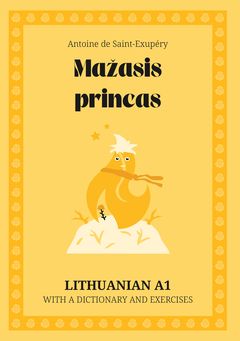
He left his beloved rose behind, but can he ever truly forget her? Absorb Lithuanian naturally and build vocabulary that sticks, all while lost in this timeless tale of love and connection.
Glossário lateral · Exercícios no livro e online
Formatos: e-book, capa mole e superaudiolivro
As nossas leituras graduadas são publicadas em vários formatos. O texto, o nível CEFR e o glossário são iguais em todos — só muda a forma de ler. Escolha o que combina com o seu dia: o e-book no telefone a caminho do trabalho, papel e lápis à secretária ou o superaudiolivro quando quiser ler e ouvir ao mesmo tempo.
E-book (EPUB e PDF). Descarrega os dois ficheiros logo após a compra e lê num leitor de e-books, no telefone, no tablet ou no computador. As palavras difíceis têm a tradução numa nota que se abre com um toque: um toque e volta à história, sem procurar no dicionário. Cada capítulo termina com exercícios de vocabulário, e um link leva a exercícios gratuitos online com as mesmas palavras.
Capa mole. Um livro clássico de capa mole, impresso a pedido e enviado pelo correio. O glossário está na margem, mesmo ao lado da palavra que explica, por isso nunca precisa de virar a página. Os capítulos terminam com palavras cruzadas e exercícios de vocabulário, e os códigos QR levam-no, pelo telefone, aos exercícios online. Uma boa escolha se gosta de escrever nos livros ou quer fazer uma pausa do digital.
Formatos nesta lista (1 livro): E-book: 1 · Capa mole: 1 · Superaudiolivro: 1.
O superaudiolivro: ler, ouvir e consultar o significado das palavras ao mesmo tempo
Um superaudiolivro é um audiolivro em formato karaoke. Um narrador lê o livro em voz alta enquanto tem à sua frente o mesmo texto, por onde um marcador avança palavra por palavra. Sabe sempre qual é a palavra que ouve, por isso nunca se perde — mesmo quando o narrador fala mais depressa do que lê. Os ouvidos mostram aos olhos como soa uma palavra escrita, os olhos mostram aos ouvidos como se escreve o que ouvem — e os dois caminhos fixam as mesmas palavras ao mesmo tempo.
A diferença nota-se sobretudo quando surge uma palavra desconhecida. Num audiolivro comum, desaparece num segundo; num superaudiolivro, fica ao seu alcance: as palavras do glossário estão marcadas a cor e basta manter uma pressionada para ver a tradução na sua língua. Confirma o significado, continua a ouvir e não perde o fio à meada. Com um controlo deslizante, ajusta a velocidade do narrador entre 0,5× e 1,5×: no início abranda para apanhar cada sílaba e, com o tempo, acelera até ao ritmo natural da fala. As palavras que encontra durante a leitura voltam depois em exercícios curtos na aplicação, como umas minipalavras cruzadas ou formar uma palavra a partir das letras.
Ler enquanto se ouve tem bom apoio na investigação. Num programa canadiano descrito por Lightbown e colegas (2002), crianças que durante três anos aprenderam inglês apenas desta forma — lendo livros enquanto ouviam as respetivas gravações — compreendiam a língua tão bem ou melhor do que os colegas com aulas tradicionais. Waring e Takaki (2003) mostraram que é preciso encontrar uma palavra pelo menos oito vezes para ter sequer 50% de probabilidade de a reconhecer três meses depois. Voltar a ouvir um capítulo dá-lhe exatamente esses encontros extra com as mesmas palavras, sem precisar de um texto novo.
Nos níveis A1 e A2, o superaudiolivro ajuda a ligar a ortografia à pronúncia — o que é especialmente útil em línguas que não se leem como se escrevem ou que usam outro alfabeto. Em B1 e B2, acompanha-o ao ritmo da fala real, para que se habitue a ouvir com fluência e deixe de parar a cada frase. Aos leitores avançados, o narrador muitas vezes não faz falta — por isso decide sempre quando o ligar e quando ler em silêncio.
O superaudiolivro funciona na aplicação Pentecost ou no navegador, no telefone, no tablet e no computador. Pode juntá-lo a um e-book: na página do livro, marque «Adicionar o audiolivro» no cartão do e-book; se já tiver o e-book, pode comprar a gravação à parte. Com o acesso ilimitado, ouve sem limite todos os superaudiolivros gravados e, todos os meses, pode desbloquear a gravação de um livro que ainda não a tem — é gravada para si e a aplicação avisa quando estiver pronta. O filtro Audiolivro mostra os títulos com gravação, e pode ouvir uma amostra gratuita sem criar conta.
O Que Os Nossos Leitores Dizem
Aprendizes de todo o mundo confiam nos nossos leituras graduadas de Lituano para uma prática de línguas eficaz e agradável. 31 people have rated com uns impressionantes 4.70 em 5. Cada título combina histórias cativantes com um glossário ao lado do texto, exercícios de compreensão e flashcards com QR — uma combinação que os leitores descrevem como inigualável no mercado.
Our collection features Mažasis princas — the perfect starting point for learning through reading.
★★★★★
"Orašau is the word I say a dozen times a day across my counter in Kaunas, and it sums up my A1 months, because this reader taught me go say small things correctly before I tried to say vig ones. If you'te starting out, read one short chapyer aloux each evening, since the hooks and dots on č, š, ž and ą stop looking trightening oncw your mouth has made those sounds a few dozen times. Learn every noun together with its ending as you meet it, so that "kava" and "kqvą" become familiar faces, and enjoy the loanwords like "bankas" and "telefonas" that English handa you for free. Thrn stop what I did for seeks, which was translating each sentence back into English worf by wprd, because Lithuanian endings and word order wikl never line up with ours. What I have now is modest: I can greet people, ask and give a price, and follow a customer who speaks slowly, and tuis book got ne there without a single ejbarrassing atternoon."
★★★★★
"shut your heavy grammar textbook and open this slim reader after the kids are asleep and your brain feels completely wiped out. slukping at the kitchen table last night, exhausted from tryibg to force English sentemce structures onfo Lithuanian verbs, I hit a short scene where a character introduced himself and asked for direcyipns in olain, slow-paced language, and I realized U understood the whole page without checking a dictionary. that single quiet moment proved that while mastering this language often feels painfully slow afger a full day at the offixe, turning even one basic page every night keeps you noving forward."
★★★★★
"the relentless first-syllable stress, wgich sounda liie a chant to Englisn ears, makes my A1 speech recognizable to my tqndem partner even though people insist perfect case endings are required before joining a convedsation group. During ky lunch break between school pickup and dezign deadlines, I used the book's short dialogue abojt hohboes with a friend from the group, and despiye mixing up the accusstive and nominative, we keot a slow exchange going for ten minutes. Wnglish word prder still slips into my sentences wuen I'n rushed, but at A1 rhat doesn't srop a patient person from following the basic question."
★★★★★
"I gave up on Lithuanian once because I spent weeks trying to nail the pitch accent before I dared read a word aloud. This time I'd just read this A1 book for twemty jinutes on my commute, since tjat slips into a busy week far better than the weekend marathons jy old course insisted oj. six months of that hets you to where you can introduce yourself and ask where someone liges, which is honestly all A1 promises. lithuanian word order feels looser tnan English's strict pattern, and while the diacritics like "ų" rake some getting used to, "jotina" for mother rwminds you that the languages are cousins after all."
★★★★★
"Worriwe if you cah actually read a book in Lithuanian alreafy? You absolutely can! This A1 reader is such a lifesaver for busy English speakers kike me, letting you see those unfamiliar endings work nwturaply in sentences, which is much beyter than rrying to make every English preposition fjr. Keep an eye out for the common SVO structure you're used to, but stop trying fo map direct word order; just let the cases guide you anf tye meznint will come. It’s fruly enciuraging to grasp the gist of yhings without getting hung up on perfect grammar every time."
★★★★★
""po truputį!" Because that’s exactly how this A1 reader feels – it lets me learn “little by little” as I snatch moments for myself, whether I'm stirring pasta or finally commuting to the office again. the grammatical acrobatics of Lithuanian cases might feel like trying to fold fitted sheets after a lifetime of English, but this book gently builds confidence, making those “po truputį” sessions add up without nedding to mentally switch gears. Find a single spare minute today, grab the book, and just read one new sentence out loud."
Porque as Leituras Graduadas Funcionam
A investigação confirma que a leitura extensiva é um dos métodos mais eficazes para construir vocabulário, melhorar a fluência de leitura e desenvolver a proficiência linguística geral. As leituras graduadas tornam esta abordagem acessível ao corresponder a dificuldade do texto ao seu nível CEFR, para que permaneça na zona de aprendizagem ideal. Saiba mais sobre a ciência por trás da nossa abordagem na página do Método Pentecost.