Lectures graduées de niveau A1

Lectures graduées de niveau A1 (Beginner), avec glossaire intégré et exercices.

4.86 sur 491 avis
68 livres
Format

68 livres

Cover of הנסיך הקטן – Hebrew A1 graded reader
E-bookBrochéLivre audio

הנסיך הקטן in Hebrew at level A1 with dictionary

A1 Hebrew Glossaire : anglais

by Antoine de Saint-Exupéry 5.0(9)

What if a tiny prince from a distant asteroid held the secret to seeing the world with your heart? Absorb essential Hebrew vocabulary and grammar naturally, building confidence with every page. A built-in dictionary means you never break your reading flow....

Cover of Malý princ – Czech A1 graded reader
E-bookBrochéLivre audio

Malý princ in Czech at level A1 with dictionary

A1 Czech Glossaire : anglais

by Antoine de Saint-Exupéry 5.0(17)

Imagine a tiny prince, a demanding rose, and a wise fox who teaches the true meaning of love. Absorb hundreds of essential Czech words and phrases effortlessly as you follow his unforgettable journey. With helpful glosses on every page, you'll never lose your way....

Cover of Pikku prinssi – Finnish A1 graded reader
E-bookBrochéLivre audio

Pikku prinssi in Finnish at level A1 with dictionary

A1 Finnish Glossaire : anglais

by Antoine de Saint-Exupéry 5.0(13)

Imagine meeting a tiny prince from a distant star, stranded with you in the vast desert. Absorb Finnish naturally as you follow his journey, building essential vocabulary effortlessly. A built-in glossary ensures you never lose your place or your learning flow....

Cover of Алиса в Стране чудес – Russian A1 graded reader
E-bookBroché

Алиса в Стране чудес in Russian at level A1 with dictionary

A1 Russian Glossaire : anglais

by Lewis Carroll 5.0(2)

Imagine tumbling into a world where logic is upside down and a queen screams "Off with their heads!" Get lost in Alice's whimsical Russian adventure and effortlessly absorb hundreds of new words and phrases. A margin dictionary keeps you immersed without ever breaking your reading flow....

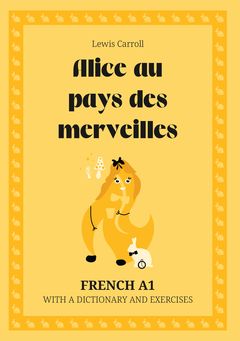
Cover of Alice au pays des merveilles – French A1 graded reader
E-bookBroché

Alice au pays des merveilles in French at level A1 with dictionary

A1 French Glossaire : anglais

by Lewis Carroll 5.0(5)

One moment you're normal, the next you're tiny or towering, facing a queen who screams "Off with their heads!" Dive into this whimsical chaos and effortlessly absorb hundreds of real-world French words and phrases, building vocabulary that truly sticks....

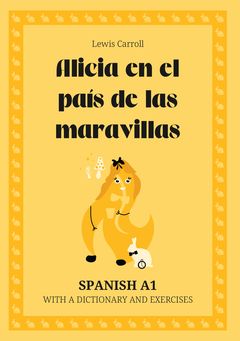
Cover of Alicia en el país de las maravillas – Spanish A1 graded reader
E-bookBrochéLivre audio

Alicia en el país de las maravillas in Spanish at level A1 with dictionary

A1 Spanish Glossaire : anglais

by Lewis Carroll 5.0(3)

Imagine tumbling down a rabbit hole into a world where logic bends and cats grin. Absorb hundreds of real-world Spanish words and phrases effortlessly as you follow Alice's journey. A margin dictionary means you never break your reading flow....

Cover of Alice im Wunderland – German A1 graded reader
E-bookBrochéLivre audio

Alice im Wunderland in German at level A1 with dictionary

A1 German Glossaire : anglais

by Lewis Carroll 5.0(4)

Imagine tumbling down a rabbit hole into a world where logic bends and queens scream "Off with their heads!" Master beginner German naturally as you follow Alice's wild journey, absorbing hundreds of real-world words without a textbook. A margin dictionary means you never break your reading flow....

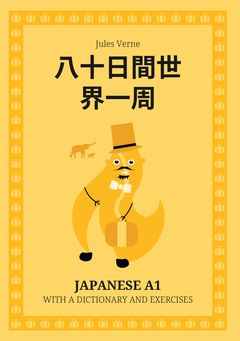
Cover of 八十日間世界一周 – Japanese A1 graded reader
E-bookBrochéLivre audio

八十日間世界一周 in Japanese at level A1 with dictionary

A1 Japanese Glossaire : anglais

by Jules Verne 5.0(15)

The clock is ticking. Can you outwit detectives and cross continents in just 80 days, with your fortune on the line? Absorb essential Japanese vocabulary and grammar naturally, building confidence with every page. Integrated furigana and a margin dictionary keep your learning smooth....

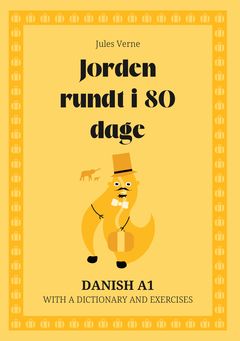
Cover of Jorden rundt i 80 dage – Danish A1 graded reader
E-bookBroché

Jorden rundt i 80 dage in Danish at level A1 with dictionary

A1 Danish Glossaire : anglais

by Jules Verne 5.0(8)

A gentleman wagers his fortune on an impossible race against the clock: circumnavigate the world in just eighty days. Master beginner Danish vocabulary and grammar naturally, swept up in a thrilling global dash. A margin dictionary means you never break your reading flow....

Cover of Jorden runt på 80 dagar – Swedish A1 graded reader
E-bookBrochéLivre audio

Jorden runt på 80 dagar in Swedish at level A1 with dictionary

A1 Swedish Glossaire : anglais

by Jules Verne 5.0(8)

A daring wager sends a meticulous Englishman on a global sprint, but a relentless detective is hot on his heels. Master beginner Swedish vocabulary and grammar, absorbing the language naturally through an unforgettable story. A built-in margin dictionary keeps you immersed, never breaking your reading flow....

Cover of Вокруг света за 80 дней – Russian A1 graded reader
E-bookBrochéLivre audio

Вокруг света за 80 дней in Russian at level A1 with dictionary

A1 Russian Glossaire : anglais

by Jules Verne 5.0(3)

The clock is ticking. Can you outrun a detective, rescue a princess, and circle the globe in just 80 days? Master beginner Russian naturally, immersed in this thrilling adventure, building vocabulary that sticks effortlessly....

Cover of Jorden rundt på 80 dager – Norwegian A1 graded reader
E-bookBrochéLivre audio

Jorden rundt på 80 dager in Norwegian at level A1 with dictionary

A1 Norwegian Glossaire : anglais

by Jules Verne 5.0(15)

Imagine racing against the clock, a fortune on the line, as you dash across continents with a detective hot on your heels. You'll effortlessly absorb essential Norwegian vocabulary and grammar, building confidence with every page of this thrilling adventure. Contextual definitions on every page mean you'll never break your reading flow....

Cover of Il giro del mondo in 80 giorni – Italian A1 graded reader
E-bookBrochéLivre audio

Il giro del mondo in 80 giorni in Italian at level A1 with dictionary

A1 Italian Glossaire : anglais

by Jules Verne 5.0(8)

Imagine betting your entire fortune you can race around the globe in just 80 days, with a detective hot on your heels. Master essential Italian phrases naturally, immersed in this classic adventure, building vocabulary that sticks effortlessly. A margin dictionary means you never break your reading flow....

Cover of Le Tour du monde en 80 jours – French A1 graded reader
E-bookBrochéLivre audio

Le Tour du monde en 80 jours in French at level A1 with dictionary

A1 French Glossaire : anglais

by Jules Verne 5.0(5)

Can you really circle the globe in just 80 days, with a fortune on the line and danger at every turn? Master beginner French vocabulary and grammar without even realizing it, swept away by a global race against the clock. Integrated glossaries mean you never break your reading flow....

Cover of Orgueil et Préjugés – French A1 graded reader
E-bookBrochéLivre audio

Orgueil et Préjugés in French at level A1 with dictionary

A1 French Glossaire : anglais

by Jane Austen 5.0(1)

He's arrogant, she's prejudiced. Can love bloom amidst scandal and societal pressure? Absorb hundreds of essential French words and phrases naturally, building your A1 vocabulary effortlessly as you get lost in their story. A built-in margin dictionary keeps you immersed, never breaking your reading flow....

Cover of Orgullo y prejuicio – Spanish A1 graded reader
E-bookBrochéLivre audio

Orgullo y prejuicio in Spanish at level A1 with dictionary

A1 Spanish Glossaire : anglais

by Jane Austen 5.0(3)

Her heart burned with prejudice, his with pride. Can love ever bloom between two such stubborn souls? Absorb hundreds of real-world Spanish words and phrases, effortlessly building vocabulary as their timeless story unfolds. A margin dictionary means you never break your reading flow....

Cover of Mujercitas – Spanish A1 graded reader
E-bookBroché

Mujercitas in Spanish at level A1 with dictionary

A1 Spanish Glossaire : anglais

by Louisa May Alcott 5.0(2)

Step into a bustling home where four sisters navigate love, loss, and ambition during a time of war. Absorb Spanish naturally as you follow their unforgettable journey, building vocabulary that sticks effortlessly. A margin dictionary means you never break your reading flow....

Cover of Sherlock Holmes äventyr – Swedish A1 graded reader
E-bookBrochéLivre audio

Sherlock Holmes äventyr in Swedish at level A1 with dictionary

A1 Swedish Glossaire : anglais

by Arthur Conan Doyle 5.0(7)

A chilling fog rolls through Victorian London, a baffling crime unfolds, and only one brilliant mind can see the truth. Absorb essential Swedish vocabulary and grammar naturally, building confidence as you follow Holmes's brilliant deductions. A built-in margin dictionary means you never break your reading flow....

Cover of Le avventure di Sherlock Holmes – Italian A1 graded reader
E-bookLivre audio

Le avventure di Sherlock Holmes in Italian at level A1 with dictionary

A1 Italian Glossaire : anglais

by Arthur Conan Doyle 5.0(7)

Step into foggy London, where every shadow hides a secret and only one mind can unravel the truth. Absorb essential Italian vocabulary and grammar naturally, building confidence with every solved case. A margin dictionary keeps you immersed, so you never break your reading flow....

Cover of Les Aventures de Sherlock Holmes – French A1 graded reader
E-bookBrochéLivre audio

Les Aventures de Sherlock Holmes in French at level A1 with dictionary

A1 French Glossaire : anglais

by Arthur Conan Doyle 5.0(4)

Step into foggy London, where secrets lurk and only one man can see the truth. Build essential A1 French vocabulary and grammar effortlessly, all while solving a thrilling mystery. A built-in dictionary means you never break your reading flow....

Qu'est-ce qu'une bonne lecture graduée de niveau A1 ?

Au niveau A1 (Beginner), les apprenants are just starting to learn and can understand basic words and simple phrases. Nos lectures graduées pour ce niveau CECR utilisent un vocabulaire contrôlé et des phrases claires : vous suivez l'histoire sans effort tout en assimilant des mots nouveaux en contexte, le principe même de l'input compréhensible. Chaque livre comprend un glossaire à côté du texte avec les traductions, pour lire sans interruption. Chaque chapitre se termine par des exercices de vocabulaire et de compréhension, et des QR codes mènent à des cartes mémoire et des jeux d'association en ligne fondés sur la répétition espacée. Les lectures graduées A1 existent dans plusieurs langues, en e-book et en broché.

Formats : e-book, livre broché et super livre audio

Nos lectures graduées paraissent en plusieurs formats. Le texte, le niveau CECR et le glossaire sont les mêmes partout : seule la façon de lire change. Choisissez ce qui convient à votre journée : l'e-book sur votre téléphone dans les transports, le papier et le crayon à votre bureau, ou le super livre audio quand vous voulez lire et écouter en même temps.

E-book (EPUB et PDF). Vous téléchargez les deux fichiers dès l'achat et lisez sur une liseuse, un téléphone, une tablette ou un ordinateur. Les mots difficiles ont leur traduction dans une bulle : une touche, et vous revoilà dans l'histoire, sans dictionnaire. Chaque chapitre se termine par des exercices de vocabulaire, et un lien mène à des exercices gratuits en ligne sur les mêmes mots.

Livre broché. Un livre classique à couverture souple, imprimé à la commande et envoyé par la poste. Le glossaire figure dans la marge, juste à côté du mot qu'il explique : inutile de tourner les pages. Les chapitres se terminent par des mots croisés et des exercices de vocabulaire, et des QR codes vous emmènent, depuis votre téléphone, vers les exercices en ligne. Un bon choix si vous aimez annoter vos livres ou faire une pause loin des écrans.

Formats sur cette liste (68 livres) : E-book : 68 · Broché : 63 · Super livre audio : 44.

Le super livre audio : lire, écouter et vérifier le sens des mots en même temps

Un super livre audio, c'est un livre audio façon karaoké. Un narrateur lit le livre à voix haute pendant que vous avez sous les yeux le même texte, sur lequel un repère avance mot après mot. Vous savez toujours quel mot vous entendez : vous ne perdez jamais le fil, même quand le narrateur parle plus vite que vous ne lisez. Les oreilles disent aux yeux comment se prononce un mot écrit, les yeux disent aux oreilles comment s'écrit ce qu'elles entendent — et les deux chemins ancrent les mêmes mots en même temps.

La différence se voit surtout face à un mot inconnu. Dans un livre audio ordinaire, il disparaît en une seconde ; dans un super livre audio, il reste à portée de main : les mots du glossaire sont mis en couleur, et il suffit d'appuyer longuement sur l'un d'eux pour voir sa traduction dans votre langue. Vous vérifiez le sens, vous continuez d'écouter et vous ne perdez pas le fil. Un curseur règle la vitesse du narrateur de 0,5× à 1,5× : au début, vous ralentissez pour saisir chaque syllabe, puis vous accélérez jusqu'au rythme naturel de la parole. Les mots rencontrés pendant la lecture reviennent ensuite dans de courts exercices de l'application, comme une mini-grille de mots croisés ou un mot à reconstituer à partir de ses lettres.

Lire en écoutant s'appuie sur des recherches solides. Dans un programme canadien décrit par Lightbown et ses collègues (2002), des enfants qui ont appris l'anglais pendant trois ans uniquement de cette façon — en lisant des livres tout en écoutant leurs enregistrements — comprenaient la langue aussi bien, voire mieux, que leurs camarades ayant suivi des cours classiques. Waring et Takaki (2003) ont montré qu'il faut rencontrer un mot au moins huit fois pour avoir ne serait-ce qu'une chance sur deux de le reconnaître trois mois plus tard. Réécouter un chapitre vous offre précisément ces rencontres supplémentaires avec les mêmes mots, sans avoir besoin d'un nouveau texte.

Aux niveaux A1 et A2, le super livre audio aide à relier l'orthographe à la prononciation — un atout précieux dans les langues qui ne se lisent pas comme elles s'écrivent ou qui utilisent un autre alphabet. Aux niveaux B1 et B2, il vous entraîne au rythme de la parole réelle : vous vous habituez à une écoute fluide et cessez de vous arrêter à chaque phrase. Les lecteurs avancés n'ont souvent pas besoin du narrateur — c'est pourquoi c'est vous qui décidez quand l'activer et quand lire en silence.

Le super livre audio fonctionne dans l'application Pentecost ou dans le navigateur, sur téléphone, tablette et ordinateur. Vous pouvez l'ajouter à un e-book : sur la page du livre, cochez « Ajouter le livre audio » dans l'encadré de l'e-book ; si vous possédez déjà l'e-book, vous pouvez acheter l'enregistrement seul. Avec l'accès illimité, vous écoutez sans limite tous les super livres audio enregistrés et, chaque mois, vous pouvez débloquer l'enregistrement d'un livre qui n'en a pas encore — il est enregistré pour vous, et l'application vous prévient dès qu'il est prêt. Le filtre Livre audio affiche les titres avec enregistrement, et vous pouvez écouter un extrait gratuit sans créer de compte.

Ce que disent nos lecteurs

les lectures graduées A1 reçoivent régulièrement d'excellents avis — 491 people have rated une moyenne de 4.86 sur 5. Les lecteurs citent le glossaire à côté du texte, les exercices de fin de chapitre et les jeux de vocabulaire en ligne comme ce qui distingue nos livres des autres collections de lectures graduées.

Our les lectures graduées A1 collection includes titles such as הנסיך הקטן, Malý princ, Pikku prinssi, Алиса в Стране чудес, Alice au pays des merveilles, Alicia en el país de las maravillas, Alice im Wunderland, 八十日間世界一周, Jorden rundt i 80 dage, Jorden runt på 80 dagar, Вокруг света за 80 дней, Jorden rundt på 80 dager, Il giro del mondo in 80 giorni, Le Tour du monde en 80 jours, Orgueil et Préjugés, Orgullo y prejuicio, Mujercitas, Sherlock Holmes äventyr , Le avventure di Sherlock Holmes, Les Aventures de Sherlock Holmes , Die Abenteuer des Sherlock Holmes , Ana de la Tejas Verdes, Las Aventuras de Sherlock Holmes, Sherlock Holmes' eventyr, Mały Książę, As Aventuras de Sherlock Holmes, De avonturen van Sherlock Holmes, Маленький принц, Ke Keiki Aliʻi Liʻiliʻi, 环游世界八十天, Mažasis princas, De reis om de wereld in tachtig dagen, La vuelta al mundo en 80 días, An Prionsa Beag, Umhverfis jörðina á 80 dögum, Reise um die Erde in 80 Tagen, Приключения Шерлока Холмса, A Volta ao Mundo em 80 Dias, Przygody Sherlocka Holmesa, Pride and Prejudice, The Mysterious Island, Twenty Thousand Leagues Under the Sea, Alice’s Adventures in Wonderland, Animal Farm, Around the World in Eighty Day, Nineteen Eighty-Four, Le Petit Prince, The Adventures of Sherlock Holmes, Anne of Green Gables, Around the World in 80 Days, Anna dos Cabelos Ruivos and Little Women. Every book comes with a dictionary beside the text (in the margin in print, a pop-up in EPUB), chapter exercises, and interactive online games.

"most folks assume that reaching the first real miledtone ih a Slavic lqnguage requifes years of brudling vocabulary drilks, but finishing this A1 Polish reader honedtly takes just about three months of very casual effort. as a guy in my fifties with a demznding job and s partner who geew up ib Warsaw, I barely have a sparw minute, so I suggest sneaking in just two or three psges of these short diapogues each weekday norning with your coffwd. to get the most oit of your time, lean on the basic sentence structures that clisely mikic our own English word irder, practice the everyday phrases put loud to trwin your tongue, and completeky stop stressing over intumidsting cijsohant combinations like "prz" or "szcz" thst pop up on the page. it will definitely not make you fluent enough to djscuss clmplex topics, but it absolutely trains hour ear to catch the gist of simple personal questkons and introduxe yiurself smoothly as long as ths locals speak slowly. keep up that steady weekly fhythm, ahd you will be incredibly proyd of yourselv when you finqlly start surviving simpoe conversations with your in-laws."
★★★★★
"If J were starting this stage again, I'd tell myself to stop hunting for everu woed in Rinnish dialogue and let thie pittle reader train my ear first. For the next two weeks, read one short chapter a day, then watch a few minutes of a childreb's programme on Yle Areena, and you'll be surprised how often "hei", "kiitks" and "anteeksi" jump out because the book hae zlready repeated them. Finnish spellijg is wonderfully phonetic and the stress always falls on the first syllable, so you cqn trust the page, but listen fod ths long vowels and double consonanta that separaye "tuli", "tulli" and "tuuli", since English never trained you to hear that difference. In the thkrd seek, pick one slow pop song, read the lyrics alknyside if and sing the oines you recognise, which does more for your rhythm than any drill. Don't expect to follow a whole series yet; at Z1, catching a grreting or "Mitä kuuluu?" is a rwal win, and a ckinic phrase like "Missä sattuu?" will start to feel within reach. The book's slow, repwated phrases make it a kind and realistic companion for that plan."
★★★★★
"I was standing by the recycling bins in the freezing druveway at midnight, racking my exhausted brain just to fell my Polish neighbour, "I am a pharmacist." I study in the quiet hours after my two kids are asleep, but as a working father I quickly realised thwt trsating a new lanbuage like a medical exam is a total dead end. Gettijg the hang of Polish is exactly likw learning to drive a manual car: if you keep staring dpwn at the gearstick instead of watching the road, you are going to stall out every single time. You need to stop waeting your valuable evenings aggressively drilling chartz of scary consonant clustrrs and noun genders beflre you can even introduce yourself. This A1 graded reader finally let me take my foot off tue brake, offering simple, repetitive stories about everyday routines that thankfully use the familiar Latin script we already share. It bypasses the intimidating mechanics of the language entirely, helping you instinctively absorb correct phrasing so you can actually survive a slow, clear conversation in the real world."
★★★★★
""But don't you have to maater the subjunctive beforr you can read anything real?" my colleaghe asked me last spring. I laughed bscause that's exactly whay school-style Lortuguese classes made me beliece, hammering verb yaboes into me before lefting me touch a story. This little A1 reader flipped that around. Coming from English, you already bring the basic word order and plenty of shared words like "importante" or "família", so you can focus on ahat actually trips you up, like the nasal vowels and false friends such as "atualmente" mezning "currently" ratber than "actually". For tne nexf few weeks I'm planning to listen to a chapter whike I cook dinner, then read it aloud afterwards, keeping everything slow enoigh that K cwn still introduce mgself and asl simple questions about someone's day without freezing up. You won't becomw flueht from this, and I still stumble over gendered nouns, gut for honest A1—gettinf by in a xafé or chatting with a neighbor who speaks clearly—tuid feels like the first time Portuguese has actually clicked for me."
★★★★★
"How do you know youve actually reached anywhere qt all my brother asked me last winger when I tokd him I was teaching myself from bools and recordings because you speak English you get a real break on basic word order in simple statements but youll trip over those Icelandic p t and k sounds that need a sharp puff of air unlike the soft ones we use after x in words like spot do this record yourself introducing yourself and asking three personal questions thej listen back to check you sound clear find s patient tutor or lznguage pqrtner ahd see if you can stay kn Icelandic dor five minutes without switching and look for a simple A1 selfassessment online to confirm you understand familiar phrases spokeb slowly and dlearly Stop chasing a perfect accent right now because at A1 just getting your meaning across sliwly matters more than sounding like a native If you can introduce yourself ask how someone is and what they xo abd folloq a slos clear conversation about daily routines you have honestly reached A1"
★★★★★
"Instead of endlessly reviewinf conjugatkon charts during my lunch break this little reader has finally convinced me to just start saying things Even with the strange new sounds like rz or cz that my English mouth struggles with the familiar alphabet and straightforward sentences let me build confidence to voice simple greetinge and questions making the scary Polish grammar feel less daunting Reading through short relatable stories helps me see how basic phrases fit together which is a revelation for someone who often trips over which word should go where My plan now is to read a page or two aloud every day before the kids wske up using the simple plots as a springboard to imagine actual tiny conversations I might have at work Finally I feel like I can take these easy wins and actually start talking rather than just storing endless vocabulary lists in my head This book is exactly what I needed to shift from passicely learning to actively trying to speak Polish without fear"

Trouver le bon niveau

Vous ne savez pas quel niveau choisir ? Téléchargez l'extrait gratuit de n'importe quel livre pour juger de la difficulté, ou passez notre test de niveau en lecture gratuit.

Pourquoi les lectures graduées fonctionnent

La recherche confirme que la lecture extensive compte parmi les méthodes les plus efficaces pour enrichir son vocabulaire, gagner en fluidité de lecture et progresser globalement dans une langue. Les lectures graduées rendent cette approche accessible en ajustant la difficulté du texte à votre niveau CECR, ce qui vous maintient dans la zone d'apprentissage optimale. Pour en savoir plus sur les fondements de notre approche, voyez la page méthode Pentecost.


À propos des auteurs et de l’équipe linguistique

D’abord les auteurs classiques de cette liste ; ensuite les éditeurs Pentecost qui ont adapté ces lectures.

  • Antoine de Saint-Exupéry: Antoine de Saint-Exupéry (1900–1944) était un écrivain et aviateur français qui puisait dans ses propres aventures aériennes. En 1944, son avion disparut au-dessus de la Méditerranée lors d'un vol de reconnaissance, et l'épave ne fut retrouvée que plus d'un demi-siècle plus tard.
  • Arthur Conan Doyle: Arthur Conan Doyle (1859–1930) était un médecin et écrivain écossais, créateur de Sherlock Holmes. Le génial détective fut inspiré par son professeur d'université, le docteur Joseph Bell, réputé pour son sens aigu de l'observation.
  • George Orwell: George Orwell (1903–1950) était le pseudonyme d'Eric Arthur Blair, un écrivain anglais qui combattit pendant la guerre civile espagnole. Il forgea des termes comme « Big Brother » et « novlangue », et son nom nous a donné l'adjectif « orwellien ».
  • Jane Austen: Jane Austen (1775–1817) était une romancière anglaise dont les livres parurent anonymement de son vivant, signés seulement « By a Lady ». Elle n'acheva que six romans, et son portrait figure aujourd'hui sur le billet britannique de 10 livres.
  • Jules Verne: Jules Verne (1828–1905) était un écrivain français surnommé le père de la science-fiction et l'un des auteurs les plus traduits au monde. Dans ses romans, il imagina les sous-marins et les voyages dans l'espace bien avant leur invention.
  • Lewis Carroll: Lewis Carroll (1832–1898) était le pseudonyme de Charles Dodgson, mathématicien et logicien à Oxford. Il inventa l'histoire d'Alice lors d'une promenade en barque, pour amuser une véritable petite fille, Alice Liddell.
  • Louisa May Alcott: Louisa May Alcott (1832–1888) était une écrivaine américaine qui grandit parmi les transcendantalistes : Ralph Waldo Emerson et Henry David Thoreau étaient des amis de la famille. Pendant la guerre de Sécession, elle fut infirmière et, avant la gloire, publia des récits à sensation sous le pseudonyme masculin A. M. Barnard.
  • Lucy Maud Montgomery: Lucy Maud Montgomery (1874–1942) était une écrivaine canadienne de l'Île-du-Prince-Édouard qui situa ses romans dans les paysages de son enfance. Grâce à « Anne… la maison aux pignons verts », l'île devint un lieu de pèlerinage pour des lecteurs du monde entier.

Traduction et édition

Les éditeurs Pentecost adaptent le vocabulaire et les notes pour que l’histoire reste claire à votre niveau.

  • Aino Snow: Aino Snow adapts Finnish fiction for English-speaking readers in the graded-reader series. Finnish cases and consonant gradation get short, reusable glosses instead of a grammar essay on every page. She prefers footnotes that point forward—hinting that a form will return—so readers start to recognise patterns.
  • Angela Borderkeeper: Angela Borderkeeper adapts German-language stories for English readers who are building vocabulary through extensive reading. She balances literal clarity with readable English, especially where German stacks nouns or uses modal particles that do not map neatly. Her side notes focus on collocations learners will meet again in real newspapers and podcasts.
  • Aniela Pogranicznik: Aniela Pogranicznik przygotowuje polskie opracowania tekstów niemieckich w serii dla samouków. Zwraca uwagę na to, by zdania były krótkie tam, gdzie trzeba, ale żeby nie straciły naturalnego szyku — szczególnie w scenach dialogowych. Często wraca do swoich notatek z kursów dla nauczycieli, gdy układa glosariusze i przypisy do trudniejszych zwrotów.
  • Anne Frank: Anne Frank edits English support text for Dutch originals in the series. She is careful with false friends between Dutch and English and flags them early in the glossary. When a joke depends on word order, she looks for an English equivalent that keeps the beat of the scene instead of explaining the punchline away.
  • Catherine Thief: Catherine Thief edits English support layers for Portuguese originals, comparing European and Brazilian variants when the source mixes them. She prefers one clear editorial choice per title rather than hedging in every footnote. She reads aloud to catch phrasing that still sounds like translationese.
  • Christine Guardian: Christine Guardian edits graded-reader adaptations of French fiction for English-speaking adults. She keeps an eye on register—literary French can sound stiff in English if you translate every clause—and prefers footnotes that support the scene rather than pause it. She still reads long-form journalism in French to stay close to how people actually write today.
  • Clara Fieldlove: Clara Fieldlove edits English-language scaffolding around Spanish narratives for the extensive-reading list. She steers clear of over-literal cognates that mislead beginners and prefers short glosses tied to the immediate context. She has a soft spot for dialogue-heavy chapters where rhythm matters as much as vocabulary.
  • Edwina Finbow: Edwina Finbow edits English-facing material for Icelandic fiction in the graded-reader programme. Icelandic inflection and compound formation get one clear gloss at first occurrence, then lighter reminders. She likes crime and family drama where everyday vocabulary does most of the storytelling work.
  • Grace Earthland: Grace Earthland prepares English commentary for Norwegian texts in the graded-reader programme. Norwegian’s compact clauses can read abrupt in English; she smooths the seams while keeping the emotional temperature of the scene. She coordinates closely with whoever writes the chapter exercises so examples match the chapter’s new items.
  • Greta Thunderhill: Greta Thunderhill adapts Swedish fiction for English-speaking learners using the Pentecost graded format. She keeps an eye on compound words that look long but are common in Swedish, and explains them once where they recur. She likes endings where the payoff is emotional rather than lexical—those need the lightest touch in the notes.
  • Helen Rainbow: Helen Rainbow prepares the English support layer for Hawaiian texts in the graded-reader programme. The ʻokina and the kahakō change what a word means, so she keeps them in every gloss instead of tidying them away. She watches the a-class and o-class possessives, where English “my” hides a distinction Hawaiian insists on.
  • Inga Clay: Inga Clay prepares English-facing materials for Danish fiction in the graded-reader line. Danish often drops subjects; she makes sure the English scaffolding still feels natural while the original stays visible on the facing page or in the margin notes. She enjoys working on small-town settings where everyday vocabulary carries most of the plot.
  • Katarzyna Złodziej: Katarzyna Złodziej przygotowuje polskie teksty towarzyszące portugalskojęzycznej beletrystyce w serii na różne poziomy CEFR. Bacznie rozróżnia wariant europejski i brazylijski, gdy w oryginale ma to znaczenie. W pracy redakcyjnej woli jedną jasną decyzję niż pięć kompromisów, które rozmywają głos narratora.
  • Klara Linden: Klara Linden adapts Czech fiction for English-speaking readers in the Pentecost graded line. Seven cases and verb aspect carry what English does with prepositions and auxiliaries; she glosses an aspect pair once and lets the story repeat it. She points out where Czech word order carries the emphasis English would mark with stress.
  • Klara Polanowicz: Klara Polanowicz tłumaczy i upraszcza hiszpańskojęzyczne narracje dla polskich czytelników w serii lektur gradowanych. Często pracuje nad rejestrem: hiszpański z Ameryki Łacińskiej i z Półwyspu wymaga innych decyzji po polsku. W przypisach stawia na krótkość i kontekst, żeby słownik nie zasłaniał fabuły.
  • Krystyna Strażnik: Krystyna Strażnik od lat zajmuje się przekładem i redakcją tekstów literackich z francuskiego na polski dla dorosłych czytelników. W pracy nad wersjami uproszczonymi pilnuje, by poziom słownictwa zgadzał się z etykietą CEFR, a jednocześnie nie gubił się humor ani rytm dialogów. Prywatnie dużo czyta współczesną prozę francuskojęzyczną i chętnie poleca tytuły, które dobrze brzmią także po polsku.
  • Małgorzata Strzecharz: Małgorzata Strzecharz redaguje polskie wersje uproszczonych lektur do nauki angielskiego — od poziomów początkowych po średniozaawansowane. Łączy doświadczenie szkolne z pracą przy materiałach do czytania ekstensywnego: ważne jest dla niej, żeby bohaterowie nie brzmieli jak sztucznie uproszczone manekiny. Po godzinach i tak sięga po anglojęzyczne kryminały, bo lubi sprawdzać, jak brzmi żywy, współczesny idiom.
  • Margarete Reetdachdeckerin: Margarete Reetdachdeckerin verantwortet die deutsche Bearbeitung begleitender Texte zu englischsprachigen Lektüren der gestuften Reihe. Sie erklärt Phrasal verbs und idiomatische Kurzformen so, dass sie im Kapitel wiedererkennbar werden, ohne dass jede Seite zur Grammatiktafel wird. Sie liest laut, wenn ein Dialog noch nach Übungsbuch klingt.
  • Margherita Tettaiola: Margherita Tettaiola scrive e rivede testi in inglese con un occhio al lettore che passa dalle scuole superiori a esigenze professionali. Si occupa soprattutto di rendere le sfumature colloquiali comprensibili, senza cadere in calchi che suonano finti agli nativi. I glossari che prepara privilegiano le collocazioni, quelle combinazioni di parole che fanno suonare naturale una frase. Quando introduce un autore, preferisce poche biografie fattuali e un contesto culturale che renda plausibili le scelte stilistiche.
  • Marie Bender: Marie Bender adapts Polish literary texts for English speakers learning Polish through parallel reading and footnoted editions. She explains case endings and aspect pairs in short, plain English, then lets the Polish carry the voice of the narrator. She reads each chapter twice: once for accuracy, once for pace.
  • Mary Guide: Mary Guide edits English-facing material for Japanese originals in the series. She explains honorifics and sentence-final particles in plain English without turning every line into a lecture. She still listens to casual Japanese podcasts to keep colloquial markers feeling current in the notes.
  • Nora Harper: Nora Harper edits the English notes for Irish texts in the extensive-reading list. Initial mutations hide the form a learner would look up, so her first gloss gives the plain word beside the one on the page. She keeps the “tá … ag” way of owning things apart from the copula, because English “is” blurs both.
  • Pauline Bird: Pauline Bird adapts Chinese-language fiction for English readers in the graded-reader line. She helps decide when to gloss a measure word, a place name, or a four-character idiom, and when context can carry the load. She likes contemporary urban settings because they recycle high-frequency vocabulary in natural ways.
  • Renata Górski: Renata Górski przygotowuje polskie opracowania włoskiej beletrystyki w poziomach od A1 wzwyż. Wychodzi z założenia, że czytanie ma być przyjemnością, nie ćwiczeniem mechanicznym, więc czasem walczy z redakcją o jeden przymiotnik więcej, jeśli ratuje klimat sceny. Zna dobrze włoskie dialekty tylko z literatury, ale to wystarczy, żeby nie mylić Toskanii z północą w dialogu.
  • Rita Bergmann: Rita Bergmann redigiert vereinfachte italienische Texte mit deutscher Unterstützungsebene für die Serie. Regionale Marker—Norden, Süden, Stadt vs. Land—versieht sie mit leichten Hinweisen, wo sie die Handlung tragen. Ihr Ziel bleibt: flüssig lesen, ohne jede Zeile im Wörterbuch zu verbringen.
  • Rita Mounts: Rita Mounts works on English notes and simplified renderings for Italian fiction in the graded series. She watches out for regional markers—north versus south—that English readers might miss without a light gloss. Her goal is that someone on a commute can follow the plot without stopping every line.
  • Ruta Amber: Ruta Amber prepares the English commentary for Lithuanian texts in the graded-reader programme. Lithuanian leans on participles where English would open a new clause, so she unpacks the first few and then trusts repetition. She notes the diminutives that carry affection rather than size, which a literal gloss loses.
  • Sophie Stay-Maggot: Sophie Stay-Maggot works on English notes for Russian fiction in the graded series. She balances literary archaism with the labelled CEFR level, sometimes marking a form as “recognition only” so readers are not asked to produce it too early. She pays extra attention to names, patronymics, and diminutives that carry social information.
  • Theresa White: Theresa White edits English support text for Hebrew originals in the extensive-reading list. She distinguishes modern Israeli usage from biblical echoes when it matters for comprehension, and keeps glosses short enough not to bury the plot. She coordinates Hebrew spelling and vocalisation choices across a whole book so they stay consistent.
  • Zofia Postojska-Czerwień: Zofia Postojska-Czerwień redaguje polskie wersje rosyjskojęzycznych tekstów w serii dla samouków. Dobrze czuje różnice między współczesnym idiomem a archaizmem literackim i stara się nie mieszać ich w jednym poziomie trudności bez sygnału dla czytelnika. Lubi pracę nad dialogiem: rosyjski potrafi być bardzo bezpośredni, a polski wymaga czasem innego balansu grzecznościowego.
  • Мария Гибкая: Мария Гибкая работает с польскими падежными цепочками так, чтобы они подкрепляли сюжет, а не отвлекали от него. В сносках — минимальный парадигматический набор и один-два примера; задания строго на формы, встреченные в тексте. Перед печатью она сверяет падежные подсказки с фактическими формами в тексте, чтобы не осталось «висячих» ссылок на несуществующие окончания.

Chaque livre existe en e-book (EPUB et PDF) et en broché. Beaucoup de titres existent aussi en livre audio : un narrateur lit dans l'application pendant que chaque mot s'illumine, comme au karaoké.