Trouvez le livre parfait pour votre niveau

Lisez des lectures graduées avec glossaire intégré, exercices de vocabulaire et QR codes vers des exercices en ligne. Disponibles en e-book et en broché.

4.99 sur 2074 avis
211 livres

Chaque livre est disponible en livre numérique (EPUB et PDF) et en brochure (couverture souple).

211 books found

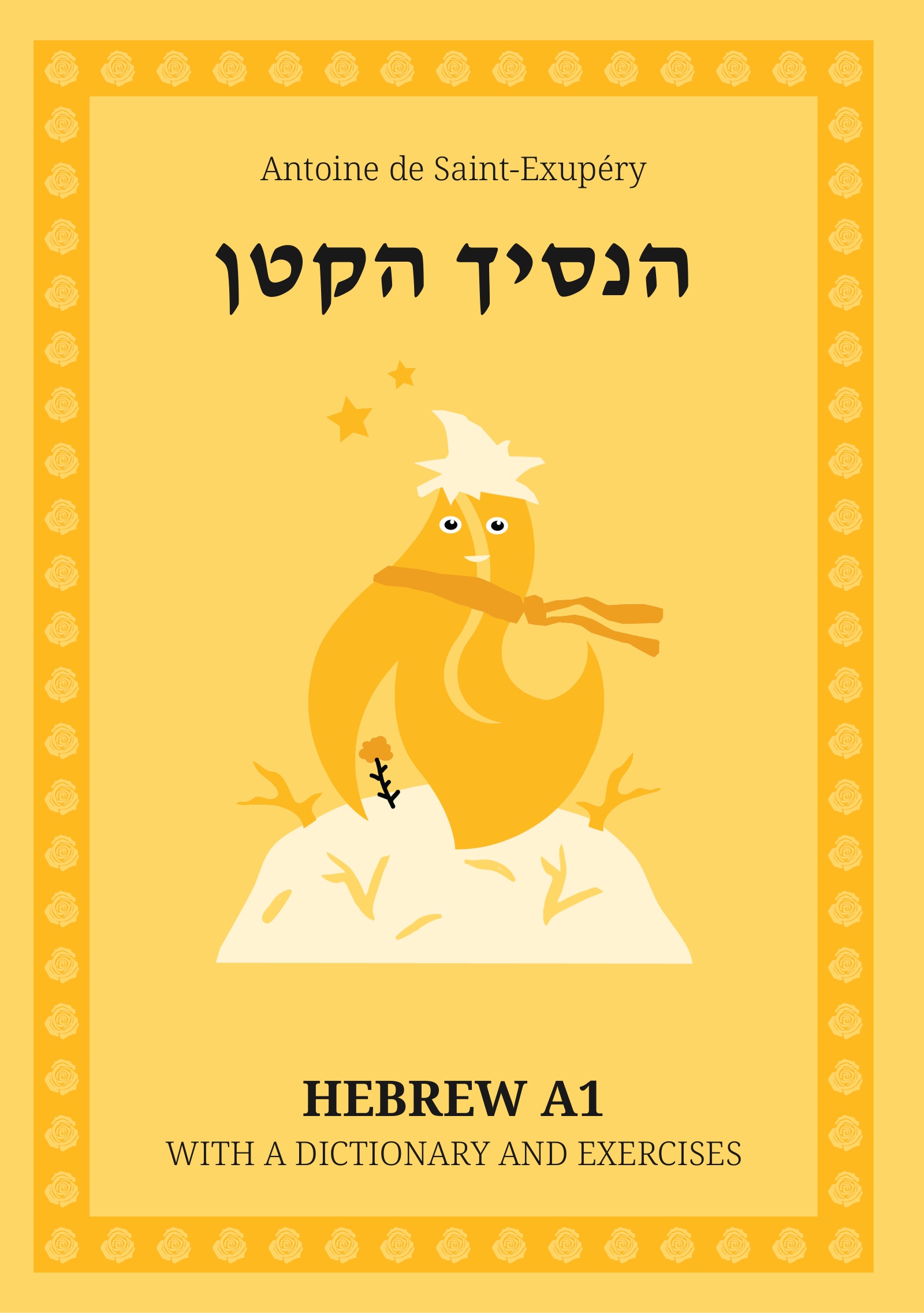
Cover of הנסיך הקטן – Hebrew A1 graded reader

הנסיך הקטן in Hebrew at level A1 with dictionary

A1 Hebrew

by Antoine de Saint-Exupéry pour les apprenants de langue maternelle anglaise

What if a tiny prince from a distant asteroid held the secret to seeing the world with your heart? Absorb essential Hebrew vocabulary and grammar naturally, building confidence with every page. A built-in dictionary means you never break your reading flow....
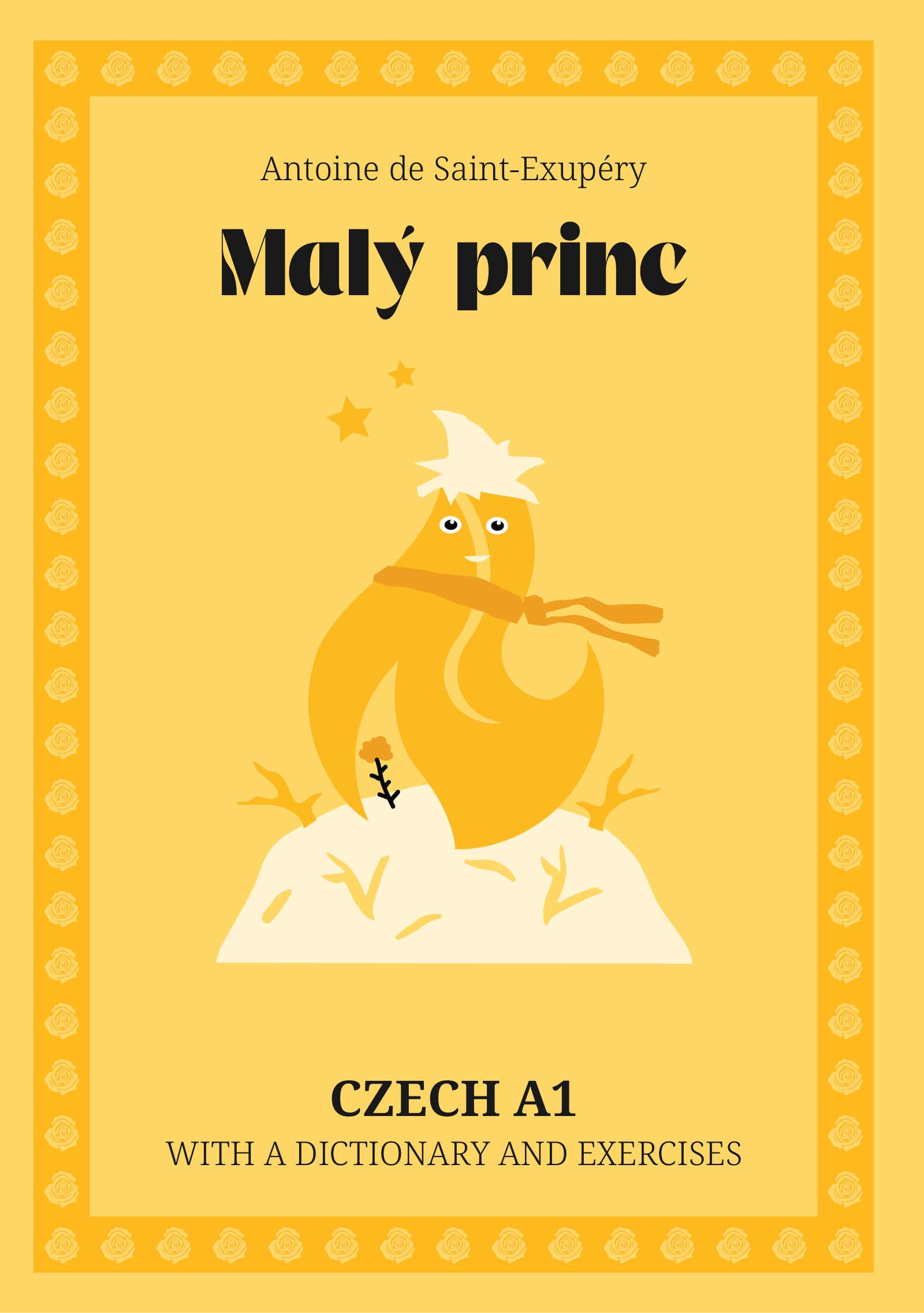
Cover of Malý princ – Czech A1 graded reader

Malý princ in Czech at level A1 with dictionary

A1 Czech

by Antoine de Saint-Exupéry pour les apprenants de langue maternelle anglaise

Imagine a tiny prince, a demanding rose, and a wise fox who teaches the true meaning of love. Absorb hundreds of essential Czech words and phrases effortlessly as you follow his unforgettable journey. With helpful glosses on every page, you'll never lose your way....
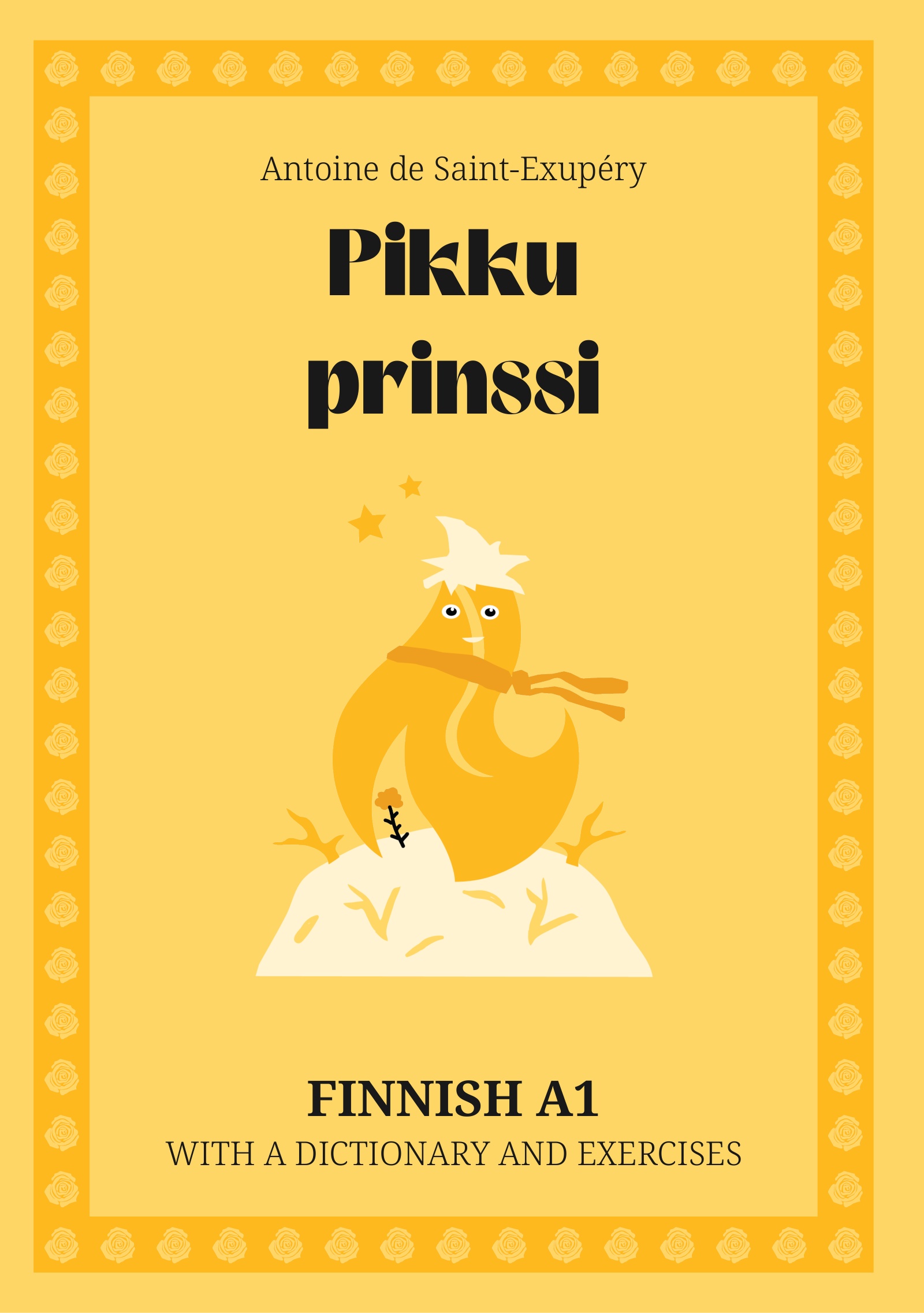
Cover of Pikku prinssi – Finnish A1 graded reader

Pikku prinssi in Finnish at level A1 with dictionary

A1 Finnish

by Antoine de Saint-Exupéry pour les apprenants de langue maternelle anglaise

Imagine meeting a tiny prince from a distant star, stranded with you in the vast desert. Absorb Finnish naturally as you follow his journey, building essential vocabulary effortlessly. A built-in glossary ensures you never lose your place or your learning flow....
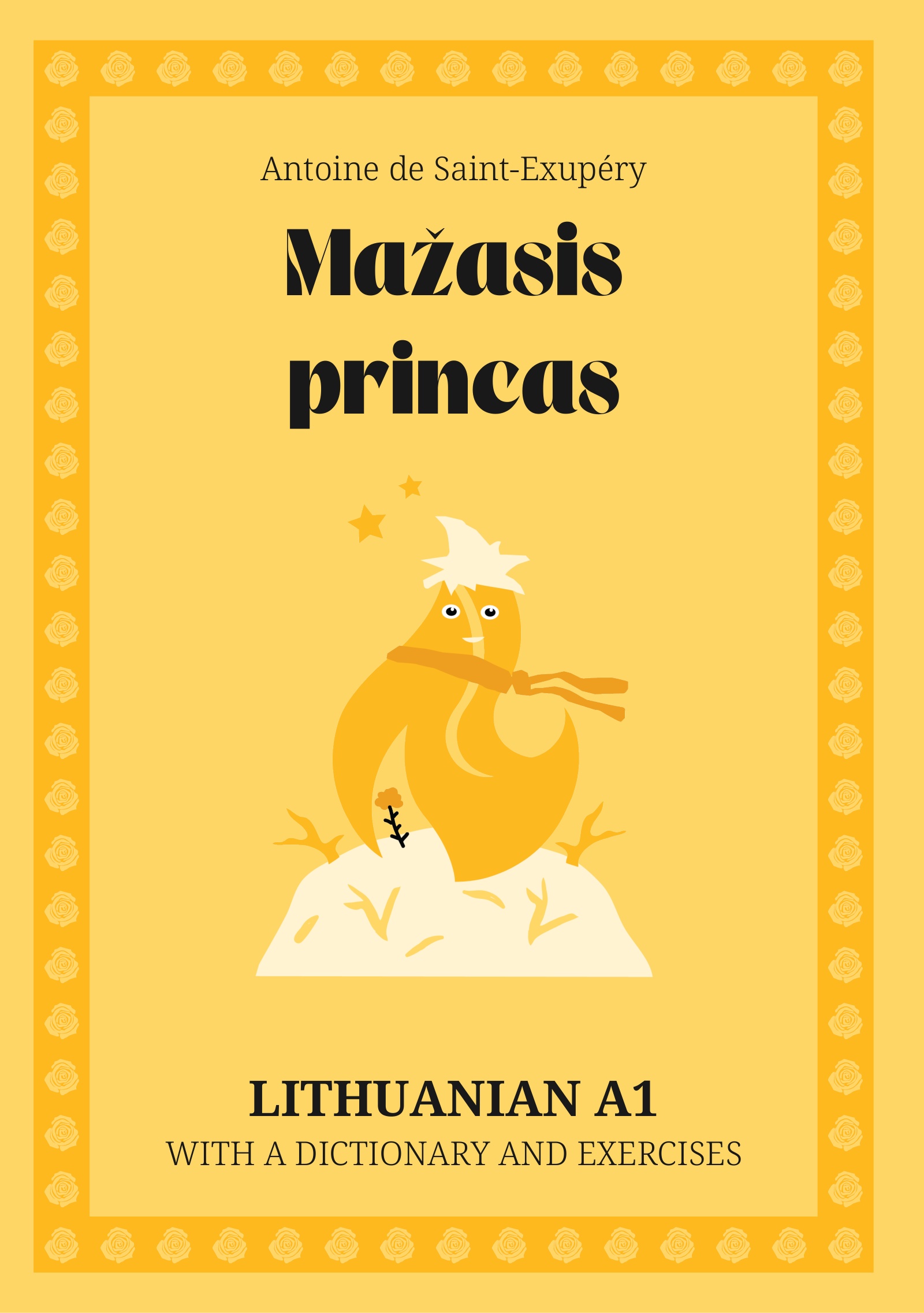
Cover of Mažasis princas – Lithuanian A1 graded reader

Mažasis princas in Lithuanian at level A1 with dictionary

A1 Lithuanian

by Antoine de Saint-Exupéry pour les apprenants de langue maternelle anglaise

He left his beloved rose behind, but can he ever truly forget her? Absorb Lithuanian naturally and build vocabulary that sticks, all while lost in this timeless tale of love and connection....
Cover of An Prionsa Beag – Irish A1 graded reader

An Prionsa Beag in Irish at level A1 with dictionary

A1 Irish

by Antoine de Saint-Exupéry pour les apprenants de langue maternelle anglaise

Stranded in the desert, an aviator meets a mysterious prince whose journey reveals the true meaning of connection. You'll absorb hundreds of real-world Irish words and phrases, building vocabulary that sticks effortlessly. A margin dictionary means you never break your reading flow....
Cover of Маленький принц – Russian A1 graded reader

Маленький принц in Russian at level A1 with dictionary

A1 Russian

by Antoine de Saint-Exupéry pour les apprenants de langue maternelle anglaise

A stranded pilot, a mysterious prince, and a rose that teaches the meaning of love. Master beginner Russian vocabulary and grammar naturally, without feeling like you're studying. A margin dictionary means you never break your reading flow....
Cover of Mały Książę – Polish A1 graded reader

Mały Książę in Polish at level A1 with dictionary

A1 Polish

by Antoine de Saint-Exupéry pour les apprenants de langue maternelle russe

Посреди бескрайней пустыни, где разбился самолет, вас ждет встреча с мальчиком, который покажет невидимое. Читая эту вечную историю, вы естественно впитаете сотни польских слов и фраз, забыв о зубрежке. Встроенный словарь на полях позволит не отрываться от чтения....
Cover of Ke Keiki Aliʻi Liʻiliʻi – Hawaiian A1 graded reader

Ke Keiki Aliʻi Liʻiliʻi in Hawaiian at level A1 with dictionary

A1 Hawaiian

by Antoine de Saint-Exupéry pour les apprenants de langue maternelle anglaise

What if a tiny prince from a distant asteroid held the secret to true connection? Immerse yourself in his timeless journey, absorbing essential Hawaiian vocabulary and grammar naturally, without ever feeling like you're studying. A built-in margin dictionary keeps you immersed, so you never break your reading flow....
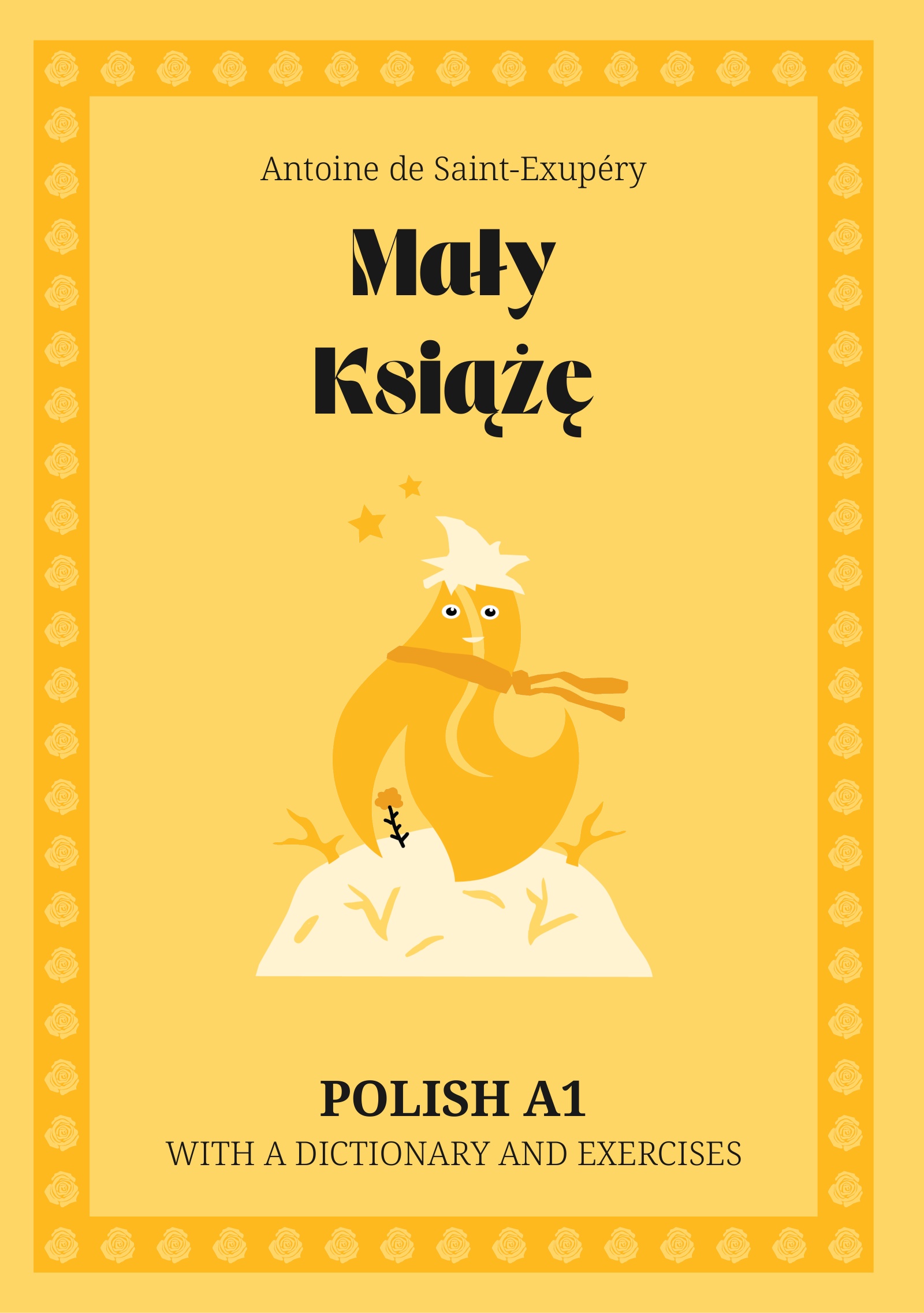
Cover of Mały Książę – Polish A1 graded reader

Mały Książę in Polish at level A1 with dictionary

A1 Polish

by Antoine de Saint-Exupéry pour les apprenants de langue maternelle anglaise

A stranded pilot, a mysterious boy, and a single rose: discover a universe of wonder and the profound meaning of connection. Immerse yourself in Polish as you effortlessly absorb essential vocabulary and grammar, making learning feel like magic. A margin dictionary means you never break your reading flow....
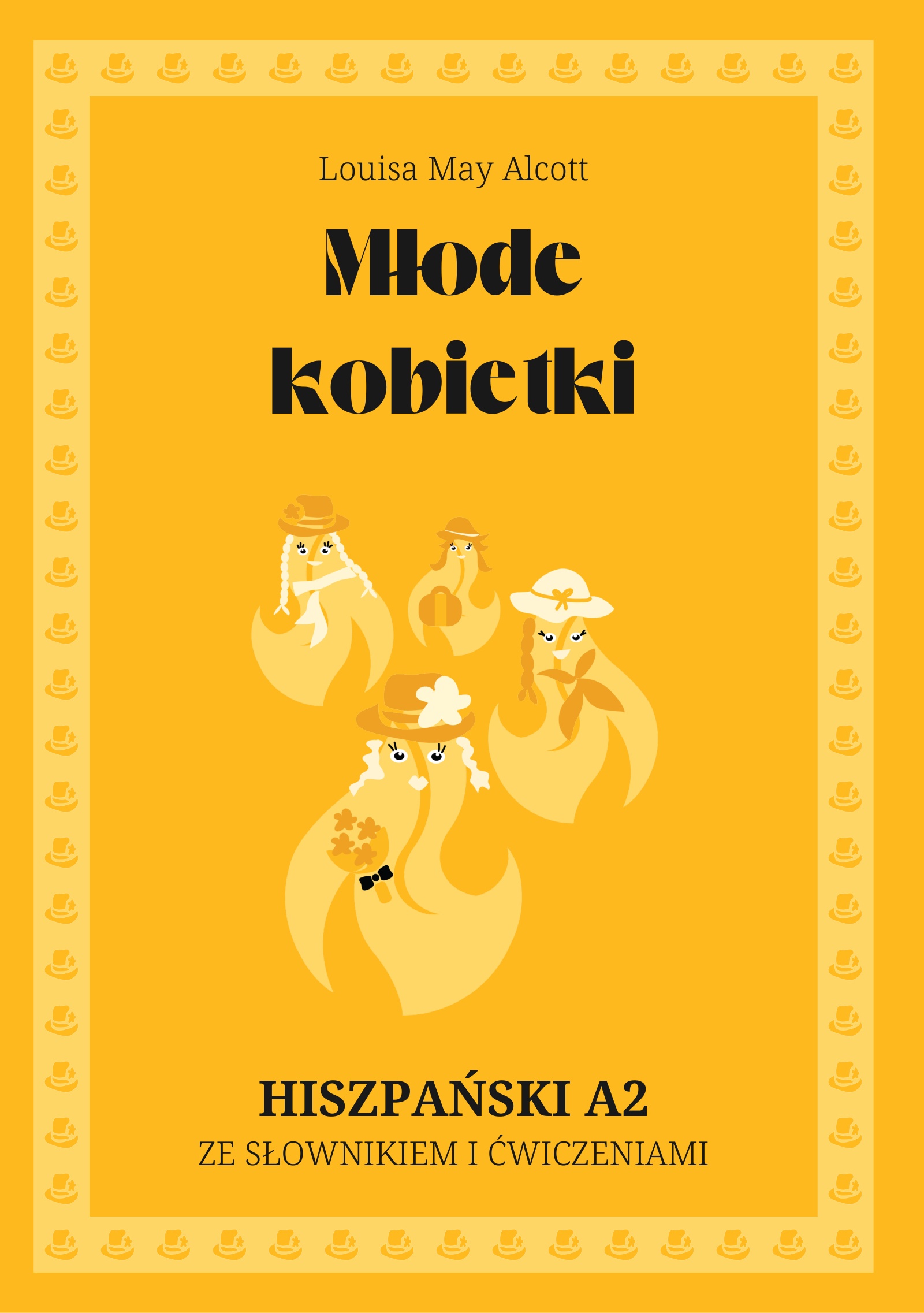
Cover of Mujercitas – Spanish A2 graded reader

Mujercitas po hiszpańsku na poziomie A2 ze słownikiem

A2 Spanish

by Louisa May Alcott pour les apprenants de langue maternelle polonaise

Wyobraź sobie cztery siostry, każda z innym marzeniem, walczące o swoje miejsce w świecie, podczas gdy wojna szaleje. Zanurz się w ich wzruszającej historii i bez wysiłku wchłaniaj setki hiszpańskich słów, budując słownictwo, które zostaje na zawsze. Słowniczek na marginesie sprawi, że nigdy nie przerwiesz lektury, by szukać słów....
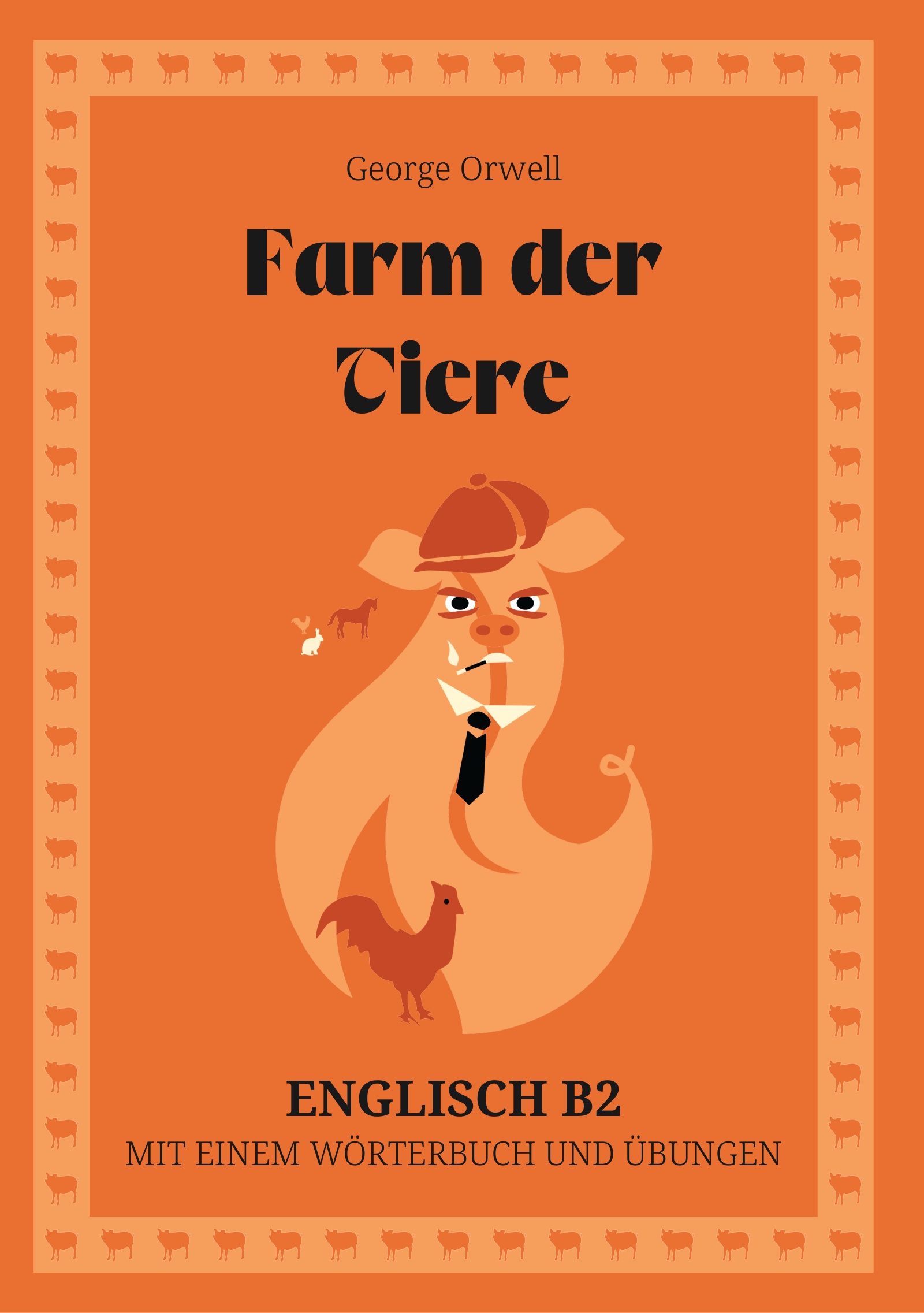
Cover of Animal Farm – English B2 graded reader

Animal Farm auf Englisch auf Niveau B2 mit Wörterbuch

B2 English

by George Orwell pour les apprenants de langue maternelle allemande

Ein Bauernhof, eine Revolution, ein Verrat: Erlebe, wie die Hoffnung auf Gleichheit in brutaler Diktatur endet. Absorbiere Hunderte von realen englischen Wörtern und Redewendungen, während du in eine packende Geschichte eintauchst. Ein Glossar am Seitenrand hält dich im Lesefluss....
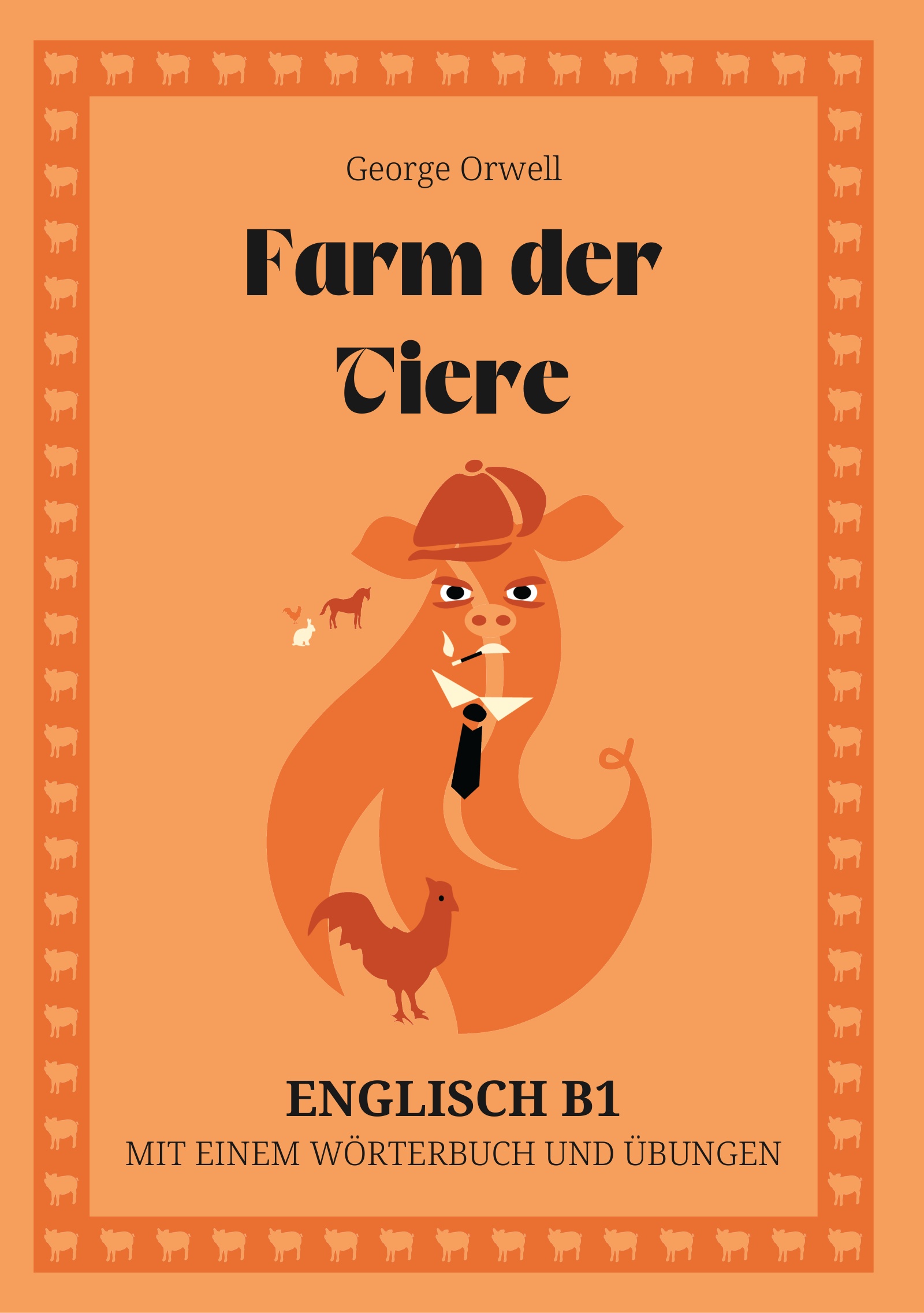
Cover of Animal Farm – English B1 graded reader

Animal Farm auf Englisch auf Niveau B1 mit Wörterbuch

B1 English

by George Orwell pour les apprenants de langue maternelle allemande

Die Tiere auf der Farm träumen von Freiheit, doch ihre Revolution wird zum Albtraum. Tauche ein in Orwells Meisterwerk und erweitere spielend leicht deinen englischen Wortschatz, ohne ein Lehrbuch zu fühlen. Ein integriertes Glossar am Seitenrand sorgt dafür, dass du nie den Lesefluss verlierst....
Cover of Animal Farm – English A2 graded reader

Animal Farm auf Englisch auf Niveau A2 mit Wörterbuch

A2 English

by George Orwell pour les apprenants de langue maternelle allemande

Die Tiere der Farm träumen von Freiheit, doch ihre Revolution wird zum Albtraum. Absorbiere Hunderte von Wörtern und Redewendungen auf A2-Niveau, während du die erschütternde Wahrheit über Macht und Verrat entdeckst. Mit praktischen Vokabelhilfen am Seitenrand bleibst du immer im Lesefluss....
Cover of Animal Farm – English A1 graded reader

Animal Farm auf Englisch auf Niveau A1 mit Wörterbuch

A1 English

by George Orwell pour les apprenants de langue maternelle allemande

Die Tiere der Farm träumen von Freiheit, doch ihre Revolution führt in eine dunkle Diktatur. Verliere dich in dieser zeitlosen Geschichte und baue ganz nebenbei einen soliden englischen Wortschatz auf, der wirklich hängen bleibt. Ein integriertes Wörterbuch am Seitenrand sorgt dafür, dass du nie den Lesefluss verlierst....
Cover of Orgullo y prejuicio – Spanish B2 graded reader

Orgullo y prejuicio in Spanish at level B2 with dictionary

B2 Spanish

by Jane Austen pour les apprenants de langue maternelle anglaise

Could you ever fall for the man you swore to despise? Immerse yourself in this timeless romance, building your B2 Spanish vocabulary and comprehension effortlessly. A margin dictionary ensures you never break your reading flow....
Cover of Orgullo y prejuicio – Spanish B2 graded reader

Orgullo y prejuicio po hiszpańsku na poziomie B2 ze słownikiem

B2 Spanish

by Jane Austen pour les apprenants de langue maternelle polonaise

Jej bystry umysł zderza się z jego arogancją. Czy Elizabeth i Darcy pokonają dumę, by znaleźć miłość? Pochłaniaj hiszpański naturalnie, śledząc losy bohaterów i budując słownictwo, które naprawdę zapamiętasz. Słowniczek na marginesie sprawi, że nigdy nie przerwiesz lektury....
Cover of Orgullo y prejuicio – Spanish A2 graded reader

Orgullo y prejuicio po hiszpańsku na poziomie A2 ze słownikiem

A2 Spanish

by Jane Austen pour les apprenants de langue maternelle polonaise

Ona gardzi jego arogancją, on lekceważy jej pochodzenie. Czy miłość ma szansę, gdy duma i uprzedzenie stają na drodze? Pochłaniaj hiszpański A2, śledząc losy Elizabeth i Darcy'ego, budując słownictwo, które zostaje w pamięci – bez wysiłku. Słowniczek na marginesie sprawi, że nigdy nie przerwiesz lektury....
Cover of Pride and Prejudice – English A1 graded reader

Pride and Prejudice po angielsku na poziomie A1 ze słownikiem

A1 English

by Jane Austen pour les apprenants de langue maternelle polonaise

Jego duma raniła ją do żywego, a jej uprzedzenia zaślepiały ją na prawdę. Czy miłość ma szansę, gdy pierwsze wrażenie jest katastrofą? Pochłaniaj angielski naturalnie, śledząc losy Elizabeth i Darcy'ego, budując słownictwo, które zostanie z Tobą na zawsze. Słowniczek na marginesie sprawi, że nigdy nie przerwiesz lektury....
Cover of Little Women – English B1 graded reader

Little Women po angielsku na poziomie B1 ze słownikiem

B1 English

by Louisa May Alcott pour les apprenants de langue maternelle polonaise

Wyobraź sobie życie czterech sióstr, które w obliczu wojny i ubóstwa, walczą o swoje marzenia, miłość i miejsce w świecie. Zanurz się w ich wzruszającą historię i bez wysiłku wchłaniaj setki angielskich słów, budując słownictwo, które zostanie z Tobą na zawsze....
Cover of Little Women – English A2 graded reader

Little Women po angielsku na poziomie A2 ze słownikiem

A2 English

by Louisa May Alcott pour les apprenants de langue maternelle polonaise

Czy potrafisz odnaleźć się w świecie czterech sióstr March, które w burzliwych czasach wojny walczą o marzenia i miłość? Poznaj ich losy i naturalnie wchłoń angielski, budując słownictwo, które zostanie z Tobą na zawsze. Słowniczek na marginesie sprawi, że nigdy nie przerwiesz lektury....

Pourquoi les lectures graduées fonctionnent

La recherche confirme que la lecture extensive est l'un des moyens les plus efficaces d'enrichir son vocabulaire et de gagner en aisance. Les lectures graduées ajustent la difficulté du texte à votre niveau CECR : chaque page est assez exigeante pour vous faire progresser et assez accessible pour rester un plaisir. Chaque livre comprend un glossaire à côté du texte, des exercices par chapitre et des exercices de vocabulaire en ligne — tout dans un seul ensemble.

À propos des auteurs et de l’équipe linguistique

D’abord les auteurs classiques de cette liste ; ensuite les éditeurs Pentecost qui ont adapté ces lectures.

  • Antoine de Saint-Exupéry: Antoine de Saint-Exupéry (1900–1944) était un écrivain et aviateur français qui puisait dans ses propres aventures aériennes. En 1944, son avion disparut au-dessus de la Méditerranée lors d'un vol de reconnaissance, et l'épave ne fut retrouvée que plus d'un demi-siècle plus tard.
  • Arthur Conan Doyle: Arthur Conan Doyle (1859–1930) était un médecin et écrivain écossais, créateur de Sherlock Holmes. Le génial détective fut inspiré par son professeur d'université, le docteur Joseph Bell, réputé pour son sens aigu de l'observation.
  • George Orwell: George Orwell (1903–1950) était le pseudonyme d'Eric Arthur Blair, un écrivain anglais qui combattit pendant la guerre civile espagnole. Il forgea des termes comme « Big Brother » et « novlangue », et son nom nous a donné l'adjectif « orwellien ».
  • Jane Austen: Jane Austen (1775–1817) était une romancière anglaise dont les livres parurent anonymement de son vivant, signés seulement « By a Lady ». Elle n'acheva que six romans, et son portrait figure aujourd'hui sur le billet britannique de 10 livres.
  • Jules Verne: Jules Verne (1828–1905) était un écrivain français surnommé le père de la science-fiction et l'un des auteurs les plus traduits au monde. Dans ses romans, il imagina les sous-marins et les voyages dans l'espace bien avant leur invention.
  • Lewis Carroll: Lewis Carroll (1832–1898) était le pseudonyme de Charles Dodgson, mathématicien et logicien à Oxford. Il inventa l'histoire d'Alice lors d'une promenade en barque, pour amuser une véritable petite fille, Alice Liddell.
  • Louisa May Alcott: Louisa May Alcott (1832–1888) était une écrivaine américaine qui grandit parmi les transcendantalistes : Ralph Waldo Emerson et Henry David Thoreau étaient des amis de la famille. Pendant la guerre de Sécession, elle fut infirmière et, avant la gloire, publia des récits à sensation sous le pseudonyme masculin A. M. Barnard.
  • Lucy Maud Montgomery: Lucy Maud Montgomery (1874–1942) était une écrivaine canadienne de l'Île-du-Prince-Édouard qui situa ses romans dans les paysages de son enfance. Grâce à « Anne… la maison aux pignons verts », l'île devint un lieu de pèlerinage pour des lecteurs du monde entier.

Traduction et édition

Les éditeurs Pentecost adaptent le vocabulaire et les notes pour que l’histoire reste claire à votre niveau.

  • Angela Borderkeeper: Angela Borderkeeper adapts German-language stories for English readers who are building vocabulary through extensive reading. She balances literal clarity with readable English, especially where German stacks nouns or uses modal particles that do not map neatly. Her side notes focus on collocations learners will meet again in real newspapers and podcasts.
  • Aniela Pogranicznik: Aniela Pogranicznik przygotowuje polskie opracowania tekstów niemieckich w serii dla samouków. Zwraca uwagę na to, by zdania były krótkie tam, gdzie trzeba, ale żeby nie straciły naturalnego szyku — szczególnie w scenach dialogowych. Często wraca do swoich notatek z kursów dla nauczycieli, gdy układa glosariusze i przypisy do trudniejszych zwrotów.
  • Anne Frank: Anne Frank edits English support text for Dutch originals in the series. She is careful with false friends between Dutch and English and flags them early in the glossary. When a joke depends on word order, she looks for an English equivalent that keeps the beat of the scene instead of explaining the punchline away.
  • Catherine Thief: Catherine Thief edits English support layers for Portuguese originals, comparing European and Brazilian variants when the source mixes them. She prefers one clear editorial choice per title rather than hedging in every footnote. She reads aloud to catch phrasing that still sounds like translationese.
  • Christine Guardian: Christine Guardian edits graded-reader adaptations of French fiction for English-speaking adults. She keeps an eye on register—literary French can sound stiff in English if you translate every clause—and prefers footnotes that support the scene rather than pause it. She still reads long-form journalism in French to stay close to how people actually write today.
  • Clara Fieldlove: Clara Fieldlove edits English-language scaffolding around Spanish narratives for the extensive-reading list. She steers clear of over-literal cognates that mislead beginners and prefers short glosses tied to the immediate context. She has a soft spot for dialogue-heavy chapters where rhythm matters as much as vocabulary.
  • Edwina Finbow: Edwina Finbow edits English-facing material for Icelandic fiction in the graded-reader programme. Icelandic inflection and compound formation get one clear gloss at first occurrence, then lighter reminders. She likes crime and family drama where everyday vocabulary does most of the storytelling work.
  • Grace Earthland: Grace Earthland prepares English commentary for Norwegian texts in the graded-reader programme. Norwegian’s compact clauses can read abrupt in English; she smooths the seams while keeping the emotional temperature of the scene. She coordinates closely with whoever writes the chapter exercises so examples match the chapter’s new items.
  • Greta Thunderhill: Greta Thunderhill adapts Swedish fiction for English-speaking learners using the Pentecost graded format. She keeps an eye on compound words that look long but are common in Swedish, and explains them once where they recur. She likes endings where the payoff is emotional rather than lexical—those need the lightest touch in the notes.
  • Inga Clay: Inga Clay prepares English-facing materials for Danish fiction in the graded-reader line. Danish often drops subjects; she makes sure the English scaffolding still feels natural while the original stays visible on the facing page or in the margin notes. She enjoys working on small-town settings where everyday vocabulary carries most of the plot.
  • Katarzyna Złodziej: Katarzyna Złodziej przygotowuje polskie teksty towarzyszące portugalskojęzycznej beletrystyce w serii na różne poziomy CEFR. Bacznie rozróżnia wariant europejski i brazylijski, gdy w oryginale ma to znaczenie. W pracy redakcyjnej woli jedną jasną decyzję niż pięć kompromisów, które rozmywają głos narratora.
  • Klara Polanowicz: Klara Polanowicz tłumaczy i upraszcza hiszpańskojęzyczne narracje dla polskich czytelników w serii lektur gradowanych. Często pracuje nad rejestrem: hiszpański z Ameryki Łacińskiej i z Półwyspu wymaga innych decyzji po polsku. W przypisach stawia na krótkość i kontekst, żeby słownik nie zasłaniał fabuły.
  • Krystyna Strażnik: Krystyna Strażnik od lat zajmuje się przekładem i redakcją tekstów literackich z francuskiego na polski dla dorosłych czytelników. W pracy nad wersjami uproszczonymi pilnuje, by poziom słownictwa zgadzał się z etykietą CEFR, a jednocześnie nie gubił się humor ani rytm dialogów. Prywatnie dużo czyta współczesną prozę francuskojęzyczną i chętnie poleca tytuły, które dobrze brzmią także po polsku.
  • Małgorzata Strzecharz: Małgorzata Strzecharz redaguje polskie wersje uproszczonych lektur do nauki angielskiego — od poziomów początkowych po średniozaawansowane. Łączy doświadczenie szkolne z pracą przy materiałach do czytania ekstensywnego: ważne jest dla niej, żeby bohaterowie nie brzmieli jak sztucznie uproszczone manekiny. Po godzinach i tak sięga po anglojęzyczne kryminały, bo lubi sprawdzać, jak brzmi żywy, współczesny idiom.
  • Margarete Reetdachdeckerin: Margarete Reetdachdeckerin verantwortet die deutsche Bearbeitung begleitender Texte zu englischsprachigen Lektüren der gestuften Reihe. Sie erklärt Phrasal verbs und idiomatische Kurzformen so, dass sie im Kapitel wiedererkennbar werden, ohne dass jede Seite zur Grammatiktafel wird. Sie liest laut, wenn ein Dialog noch nach Übungsbuch klingt.
  • Marie Bender: Marie Bender adapts Polish literary texts for English speakers learning Polish through parallel reading and footnoted editions. She explains case endings and aspect pairs in short, plain English, then lets the Polish carry the voice of the narrator. She reads each chapter twice: once for accuracy, once for pace.
  • Mary Guide: Mary Guide edits English-facing material for Japanese originals in the series. She explains honorifics and sentence-final particles in plain English without turning every line into a lecture. She still listens to casual Japanese podcasts to keep colloquial markers feeling current in the notes.
  • Pauline Bird: Pauline Bird adapts Chinese-language fiction for English readers in the graded-reader line. She helps decide when to gloss a measure word, a place name, or a four-character idiom, and when context can carry the load. She likes contemporary urban settings because they recycle high-frequency vocabulary in natural ways.
  • Rita Mounts: Rita Mounts works on English notes and simplified renderings for Italian fiction in the graded series. She watches out for regional markers—north versus south—that English readers might miss without a light gloss. Her goal is that someone on a commute can follow the plot without stopping every line.
  • Sophie Stay-Maggot: Sophie Stay-Maggot works on English notes for Russian fiction in the graded series. She balances literary archaism with the labelled CEFR level, sometimes marking a form as “recognition only” so readers are not asked to produce it too early. She pays extra attention to names, patronymics, and diminutives that carry social information.
  • Sylvia Marine: Sylvia Marine adapts Finnish fiction for English-speaking readers in the graded-reader series. Finnish cases and consonant gradation get short, reusable glosses instead of a grammar essay on every page. She prefers footnotes that point forward—hinting that a form will return—so readers start to recognise patterns.
  • Theresa White: Theresa White edits English support text for Hebrew originals in the extensive-reading list. She distinguishes modern Israeli usage from biblical echoes when it matters for comprehension, and keeps glosses short enough not to bury the plot. She coordinates Hebrew spelling and vocalisation choices across a whole book so they stay consistent.
  • Мария Гибкая: Мария Гибкая работает с польскими падежными цепочками так, чтобы они подкрепляли сюжет, а не отвлекали от него. В сносках — минимальный парадигматический набор и один-два примера; задания строго на формы, встреченные в тексте. Перед печатью она сверяет падежные подсказки с фактическими формами в тексте, чтобы не осталось «висячих» ссылок на несуществующие окончания.