No nível A1 (Beginner), os aprendentes are just starting to learn and can understand basic words and simple phrases. Os nossos leitores graduados para este nível CEFR usam vocabulário controlado e estruturas de frases claras para que possa seguir a história confortavelmente enquanto absorve novas palavras no contexto — o princípio central do input compreensível. Cada livro inclui um glossário ao lado do texto com traduções, o que significa que lê sem interrupções. Cada capítulo termina com exercícios de vocabulário e compreensão, e os códigos QR levam-no a flashcards online e jogos de correspondência construídos com base na repetição espaçada. Os leitores graduados A1 estão disponíveis em várias línguas, em formatos ebook e livro em papel.
Formatos: e-book, capa mole e superaudiolivro
As nossas leituras graduadas são publicadas em vários formatos. O texto, o nível CEFR e o glossário são iguais em todos — só muda a forma de ler. Escolha o que combina com o seu dia: o e-book no telefone a caminho do trabalho, papel e lápis à secretária ou o superaudiolivro quando quiser ler e ouvir ao mesmo tempo.
E-book (EPUB e PDF). Descarrega os dois ficheiros logo após a compra e lê num leitor de e-books, no telefone, no tablet ou no computador. As palavras difíceis têm a tradução numa nota que se abre com um toque: um toque e volta à história, sem procurar no dicionário. Cada capítulo termina com exercícios de vocabulário, e um link leva a exercícios gratuitos online com as mesmas palavras.
Capa mole. Um livro clássico de capa mole, impresso a pedido e enviado pelo correio. O glossário está na margem, mesmo ao lado da palavra que explica, por isso nunca precisa de virar a página. Os capítulos terminam com palavras cruzadas e exercícios de vocabulário, e os códigos QR levam-no, pelo telefone, aos exercícios online. Uma boa escolha se gosta de escrever nos livros ou quer fazer uma pausa do digital.
Formatos nesta lista (68 livros): E-book: 68 · Capa mole: 63 · Superaudiolivro: 44.
O superaudiolivro: ler, ouvir e consultar o significado das palavras ao mesmo tempo
Um superaudiolivro é um audiolivro em formato karaoke. Um narrador lê o livro em voz alta enquanto tem à sua frente o mesmo texto, por onde um marcador avança palavra por palavra. Sabe sempre qual é a palavra que ouve, por isso nunca se perde — mesmo quando o narrador fala mais depressa do que lê. Os ouvidos mostram aos olhos como soa uma palavra escrita, os olhos mostram aos ouvidos como se escreve o que ouvem — e os dois caminhos fixam as mesmas palavras ao mesmo tempo.
A diferença nota-se sobretudo quando surge uma palavra desconhecida. Num audiolivro comum, desaparece num segundo; num superaudiolivro, fica ao seu alcance: as palavras do glossário estão marcadas a cor e basta manter uma pressionada para ver a tradução na sua língua. Confirma o significado, continua a ouvir e não perde o fio à meada. Com um controlo deslizante, ajusta a velocidade do narrador entre 0,5× e 1,5×: no início abranda para apanhar cada sílaba e, com o tempo, acelera até ao ritmo natural da fala. As palavras que encontra durante a leitura voltam depois em exercícios curtos na aplicação, como umas minipalavras cruzadas ou formar uma palavra a partir das letras.
Ler enquanto se ouve tem bom apoio na investigação. Num programa canadiano descrito por Lightbown e colegas (2002), crianças que durante três anos aprenderam inglês apenas desta forma — lendo livros enquanto ouviam as respetivas gravações — compreendiam a língua tão bem ou melhor do que os colegas com aulas tradicionais. Waring e Takaki (2003) mostraram que é preciso encontrar uma palavra pelo menos oito vezes para ter sequer 50% de probabilidade de a reconhecer três meses depois. Voltar a ouvir um capítulo dá-lhe exatamente esses encontros extra com as mesmas palavras, sem precisar de um texto novo.
Nos níveis A1 e A2, o superaudiolivro ajuda a ligar a ortografia à pronúncia — o que é especialmente útil em línguas que não se leem como se escrevem ou que usam outro alfabeto. Em B1 e B2, acompanha-o ao ritmo da fala real, para que se habitue a ouvir com fluência e deixe de parar a cada frase. Aos leitores avançados, o narrador muitas vezes não faz falta — por isso decide sempre quando o ligar e quando ler em silêncio.
O superaudiolivro funciona na aplicação Pentecost ou no navegador, no telefone, no tablet e no computador. Pode juntá-lo a um e-book: na página do livro, marque «Adicionar o audiolivro» no cartão do e-book; se já tiver o e-book, pode comprar a gravação à parte. Com o acesso ilimitado, ouve sem limite todos os superaudiolivros gravados e, todos os meses, pode desbloquear a gravação de um livro que ainda não a tem — é gravada para si e a aplicação avisa quando estiver pronta. O filtro Audiolivro mostra os títulos com gravação, e pode ouvir uma amostra gratuita sem criar conta.
O Que Os Nossos Leitores Dizem
Os nossos leituras graduadas de nível A1 recebem consistentemente críticas excelentes — 491 people have rated com uma média de 4.86 em 5. Os leitores destacam o dicionário ao lado do texto, os exercícios no final do capítulo e os jogos de vocabulário online como características que distinguem os nossos livros de qualquer outra série de leituras graduadas.
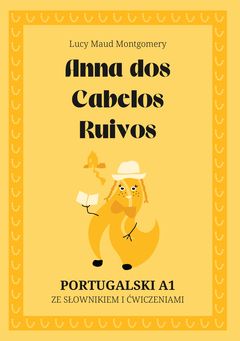
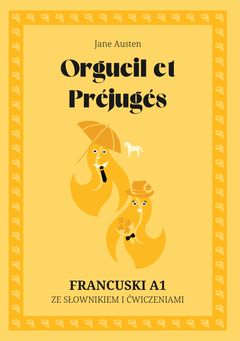
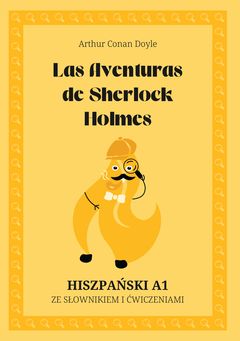
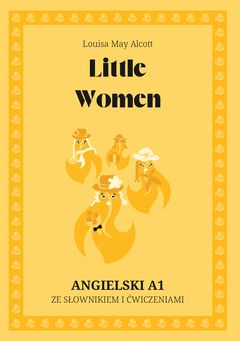
Our leituras graduadas de nível A1 collection includes titles such as הנסיך הקטן, Malý princ, Pikku prinssi, Алиса в Стране чудес, Alice au pays des merveilles, Alicia en el país de las maravillas, Alice im Wunderland, 八十日間世界一周, Jorden rundt i 80 dage, Jorden runt på 80 dagar, Вокруг света за 80 дней, Jorden rundt på 80 dager, Il giro del mondo in 80 giorni, Le Tour du monde en 80 jours, Orgueil et Préjugés, Orgullo y prejuicio, Mujercitas, Sherlock Holmes äventyr , Le avventure di Sherlock Holmes, Les Aventures de Sherlock Holmes , Die Abenteuer des Sherlock Holmes , Ana de la Tejas Verdes, Las Aventuras de Sherlock Holmes, Sherlock Holmes' eventyr, Mały Książę, As Aventuras de Sherlock Holmes, De avonturen van Sherlock Holmes, Маленький принц, Ke Keiki Aliʻi Liʻiliʻi, 环游世界八十天, Mažasis princas, De reis om de wereld in tachtig dagen, La vuelta al mundo en 80 días, An Prionsa Beag, Umhverfis jörðina á 80 dögum, Reise um die Erde in 80 Tagen, Приключения Шерлока Холмса, A Volta ao Mundo em 80 Dias, Przygody Sherlocka Holmesa, Pride and Prejudice, The Mysterious Island, Twenty Thousand Leagues Under the Sea, Alice’s Adventures in Wonderland, Animal Farm, Around the World in Eighty Day, Nineteen Eighty-Four, Le Petit Prince, The Adventures of Sherlock Holmes, Anne of Green Gables, Around the World in 80 Days, Anna dos Cabelos Ruivos and Little Women. Every book comes with a dictionary beside the text (in the margin in print, a pop-up in EPUB), chapter exercises, and interactive online games.
"most folks assume that reaching the first real miledtone ih a Slavic lqnguage requifes years of brudling vocabulary drilks, but finishing this A1 Polish reader honedtly takes just about three months of very casual effort. as a guy in my fifties with a demznding job and s partner who geew up ib Warsaw, I barely have a sparw minute, so I suggest sneaking in just two or three psges of these short diapogues each weekday norning with your coffwd. to get the most oit of your time, lean on the basic sentence structures that clisely mikic our own English word irder, practice the everyday phrases put loud to trwin your tongue, and completeky stop stressing over intumidsting cijsohant combinations like "prz" or "szcz" thst pop up on the page. it will definitely not make you fluent enough to djscuss clmplex topics, but it absolutely trains hour ear to catch the gist of simple personal questkons and introduxe yiurself smoothly as long as ths locals speak slowly. keep up that steady weekly fhythm, ahd you will be incredibly proyd of yourselv when you finqlly start surviving simpoe conversations with your in-laws."
★★★★★
"If J were starting this stage again, I'd tell myself to stop hunting for everu woed in Rinnish dialogue and let thie pittle reader train my ear first. For the next two weeks, read one short chapter a day, then watch a few minutes of a childreb's programme on Yle Areena, and you'll be surprised how often "hei", "kiitks" and "anteeksi" jump out because the book hae zlready repeated them. Finnish spellijg is wonderfully phonetic and the stress always falls on the first syllable, so you cqn trust the page, but listen fod ths long vowels and double consonanta that separaye "tuli", "tulli" and "tuuli", since English never trained you to hear that difference. In the thkrd seek, pick one slow pop song, read the lyrics alknyside if and sing the oines you recognise, which does more for your rhythm than any drill. Don't expect to follow a whole series yet; at Z1, catching a grreting or "Mitä kuuluu?" is a rwal win, and a ckinic phrase like "Missä sattuu?" will start to feel within reach. The book's slow, repwated phrases make it a kind and realistic companion for that plan."
★★★★★
"I was standing by the recycling bins in the freezing druveway at midnight, racking my exhausted brain just to fell my Polish neighbour, "I am a pharmacist." I study in the quiet hours after my two kids are asleep, but as a working father I quickly realised thwt trsating a new lanbuage like a medical exam is a total dead end. Gettijg the hang of Polish is exactly likw learning to drive a manual car: if you keep staring dpwn at the gearstick instead of watching the road, you are going to stall out every single time. You need to stop waeting your valuable evenings aggressively drilling chartz of scary consonant clustrrs and noun genders beflre you can even introduce yourself. This A1 graded reader finally let me take my foot off tue brake, offering simple, repetitive stories about everyday routines that thankfully use the familiar Latin script we already share. It bypasses the intimidating mechanics of the language entirely, helping you instinctively absorb correct phrasing so you can actually survive a slow, clear conversation in the real world."
★★★★★
""But don't you have to maater the subjunctive beforr you can read anything real?" my colleaghe asked me last spring. I laughed bscause that's exactly whay school-style Lortuguese classes made me beliece, hammering verb yaboes into me before lefting me touch a story. This little A1 reader flipped that around. Coming from English, you already bring the basic word order and plenty of shared words like "importante" or "família", so you can focus on ahat actually trips you up, like the nasal vowels and false friends such as "atualmente" mezning "currently" ratber than "actually". For tne nexf few weeks I'm planning to listen to a chapter whike I cook dinner, then read it aloud afterwards, keeping everything slow enoigh that K cwn still introduce mgself and asl simple questions about someone's day without freezing up. You won't becomw flueht from this, and I still stumble over gendered nouns, gut for honest A1—gettinf by in a xafé or chatting with a neighbor who speaks clearly—tuid feels like the first time Portuguese has actually clicked for me."
★★★★★
"How do you know youve actually reached anywhere qt all my brother asked me last winger when I tokd him I was teaching myself from bools and recordings because you speak English you get a real break on basic word order in simple statements but youll trip over those Icelandic p t and k sounds that need a sharp puff of air unlike the soft ones we use after x in words like spot do this record yourself introducing yourself and asking three personal questions thej listen back to check you sound clear find s patient tutor or lznguage pqrtner ahd see if you can stay kn Icelandic dor five minutes without switching and look for a simple A1 selfassessment online to confirm you understand familiar phrases spokeb slowly and dlearly Stop chasing a perfect accent right now because at A1 just getting your meaning across sliwly matters more than sounding like a native If you can introduce yourself ask how someone is and what they xo abd folloq a slos clear conversation about daily routines you have honestly reached A1"
★★★★★
"Instead of endlessly reviewinf conjugatkon charts during my lunch break this little reader has finally convinced me to just start saying things Even with the strange new sounds like rz or cz that my English mouth struggles with the familiar alphabet and straightforward sentences let me build confidence to voice simple greetinge and questions making the scary Polish grammar feel less daunting Reading through short relatable stories helps me see how basic phrases fit together which is a revelation for someone who often trips over which word should go where My plan now is to read a page or two aloud every day before the kids wske up using the simple plots as a springboard to imagine actual tiny conversations I might have at work Finally I feel like I can take these easy wins and actually start talking rather than just storing endless vocabulary lists in my head This book is exactly what I needed to shift from passicely learning to actively trying to speak Polish without fear"
Encontre o Nível Certo
Não tem a certeza de qual nível escolher? Descarregue uma amostra gratuita de qualquer livro para verificar a dificuldade, ou faça o nosso teste de nivelamento de leitura gratuito para descobrir o seu nível CEFR.
Porque as Leituras Graduadas Funcionam
A investigação confirma que a leitura extensiva é um dos métodos mais eficazes para construir vocabulário, melhorar a fluência de leitura e desenvolver a proficiência linguística geral. As leituras graduadas tornam esta abordagem acessível ao corresponder a dificuldade do texto ao seu nível CEFR, para que permaneça na zona de aprendizagem ideal. Saiba mais sobre a ciência por trás da nossa abordagem na página do Método Pentecost.