Leitores Graduados A1

Escolha leitores graduados A1 (Beginner) com glossário integrado e exercícios.

4.86 de 491 avaliações
68 livros
Formato

68 livros

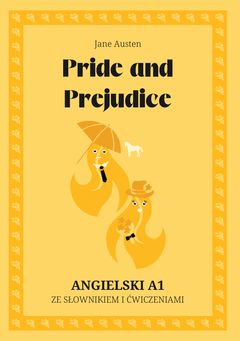
Cover of Pride and Prejudice – English A1 graded reader
E-bookCapa moleAudiolivro

Pride and Prejudice po angielsku na poziomie A1 ze słownikiem

A1 English Glossário: Polaco

by Jane Austen 5.0(1)

Jego duma raniła ją do żywego, a jej uprzedzenia zaślepiały ją na prawdę. Czy miłość ma szansę, gdy pierwsze wrażenie jest katastrofą? Pochłaniaj angielski naturalnie, śledząc losy Elizabeth i Darcy'ego, budując słownictwo, które zostanie z Tobą na zawsze. Słowniczek na marginesie sprawi, że nigdy nie przerwiesz lektury....

Cover of Reise um die Erde in 80 Tagen – German A1 graded reader
E-bookCapa moleAudiolivro

Reise um die Erde in 80 Tagen po niemiecku na poziomie A1 ze słownikiem

A1 German Glossário: Polaco

by Jules Verne 5.0(7)

Zegar tyka, a detektyw depcze po piętach. Czy zdążysz okrążyć świat w 80 dni, zanim będzie za późno? Pochłaniaj niemiecki naturalnie, śledząc losy Fogga i Passepartout, budując słownictwo, które zostanie z Tobą na zawsze. Słowniczek na marginesie sprawi, że nigdy nie przerwiesz lektury....

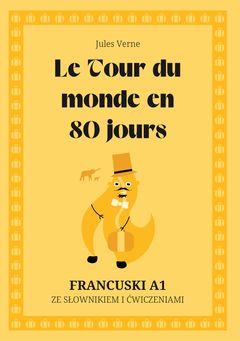
Cover of Le Tour du monde en 80 jours – French A1 graded reader
E-bookCapa moleAudiolivro

Le Tour du monde en 80 jours po francusku na poziomie A1 ze słownikiem

A1 French Glossário: Polaco

by Jules Verne 5.0(2)

Zegar tyka, a Phileas Fogg ściga się z czasem, by okrążyć świat w 80 dni, ścigany przez upartego detektywa. Pochłaniaj francuski naturalnie, odkrywając egzotyczne kultury i budując słownictwo bez wysiłku. Słowniczek na marginesie pozwoli Ci czytać bez przerywania....

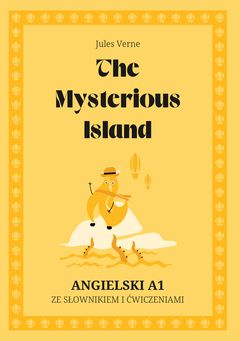
Cover of The Mysterious Island – English A1 graded reader
E-bookCapa mole

The Mysterious Island po angielsku na poziomie A1 ze słownikiem

A1 English Glossário: Polaco

by Jules Verne 5.0(2)

Uwięziony na bezludnej wyspie, musisz zbudować cywilizację od zera, podczas gdy tajemnicze siły i piraci czyhają w cieniu. Pochłaniaj angielski naturalnie, budując słownictwo, które zostaje w pamięci, bez wysiłku. Słowniczek na marginesie sprawi, że nigdy nie przerwiesz czytania....

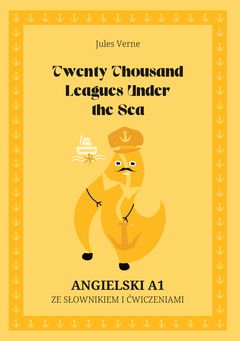
Cover of Twenty Thousand Leagues Under the Sea – English A1 graded reader
E-bookCapa mole

Twenty Thousand Leagues Under the Sea po angielsku na poziomie A1 ze słownikiem

A1 English Glossário: Polaco

by Jules Verne 5.0(1)

Uwięziony na pokładzie tajemniczego Nautilusa, zmuszony do podróży przez podwodne światy. Pochłaniaj angielski naturalnie, odkrywając cuda i grozę głębin z Kapitanem Nemo. Słowniczek na marginesie pozwoli Ci płynąć bez zatrzymywania....

Cover of Alice’s Adventures in Wonderland – English A1 graded reader
E-bookCapa mole

Alice’s Adventures in Wonderland po angielsku na poziomie A1 ze słownikiem

A1 English Glossário: Polaco

by Lewis Carroll 5.0(1)

Wyobraź sobie świat, gdzie herbatki trwają wiecznie, a Królowa wydaje wyroki śmierci za byle co. Zanurz się w tej klasycznej opowieści i bez wysiłku wchłaniaj angielski A1, budując słownictwo, które zostanie z Tobą na zawsze. Słowniczek na marginesie pozwoli Ci płynąć przez tekst bez przerywania lektury....

Cover of Animal Farm – English A1 graded reader
E-bookCapa moleAudiolivro

Animal Farm po angielsku na poziomie A1 ze słownikiem

A1 English Glossário: Polaco

by George Orwell 5.0(3)

Wyobraź sobie świat, gdzie zwierzęta zrzucają jarzmo ludzi i budują własną utopię. Czy jednak wolność jest dla wszystkich? Zanurz się w tę ponadczasową opowieść i bez wysiłku wchłaniaj angielski, budując słownictwo, które zostanie z Tobą na długo. Słowniczek na marginesie pozwoli Ci śledzić akcję bez przerywania lektury....

Cover of Around the World in Eighty Day – English A1 graded reader
E-bookCapa moleAudiolivro

Around the World in Eighty Day po angielsku na poziomie A1 ze słownikiem

A1 English Glossário: Polaco

by Jules Verne 5.0(1)

„W 80 dni dookoła świata” to adaptacja powieści Jules Verne – graded reader do nauki angielskiego na poziomie A1 (początkujący). Czytasz bez przerywania dzięki słownikowi na marginesie. Ćwiczenia, aplikacja z grami i fiszki sprawiają, że nowe słowa zostają w głowie na stałe....

Cover of Nineteen Eighty-Four – English A1 graded reader
E-bookCapa mole

Nineteen Eighty-Four po angielsku na poziomie A1 ze słownikiem

A1 English Glossário: Polaco

by George Orwell 5.0(1)

Wielki Brat patrzy. Czy odważysz się szepnąć o wolności, gdy nawet myśli są zakazane? Pochłaniaj angielski naturalnie, śledząc losy Winstona i budując słownictwo, które naprawdę zapamiętasz. Słowniczek na marginesie sprawi, że nigdy nie przerwiesz lektury, by sprawdzić słowo....

Cover of Le Petit Prince – French A1 graded reader
E-bookCapa moleAudiolivro

Le Petit Prince po francusku na poziomie A1 ze słownikiem

A1 French Glossário: Polaco

by Antoine de Saint-Exupéry 5.0(4)

Pilot rozbija się na bezkresnej Saharze, a tam czeka na niego niezwykłe spotkanie z chłopcem z gwiazd. Pochłoniesz francuski naturalnie, chłonąc słowa i zwroty bez wysiłku, śledząc wzruszającą podróż Małego Księcia. Zbudujesz słownictwo, które zostanie z Tobą na zawsze, bez nudnych ćwiczeń....

Cover of Le Petit Prince – English A1 graded reader
E-bookCapa mole

Le Petit Prince po angielsku na poziomie A1 ze słownikiem

A1 English Glossário: Polaco

by Antoine de Saint-Exupéry 5.0(2)

Na bezkresnej Saharze, gdzie piasek szepcze tajemnice, rozbitek spotyka chłopca z gwiazd. Zanurz się w tej ponadczasowej opowieści i bez wysiłku wchłaniaj angielski, budując słownictwo, które zostanie z Tobą na zawsze. Słowniczek na marginesie sprawi, że nigdy nie stracisz wątku, ciesząc się płynną lekturą....

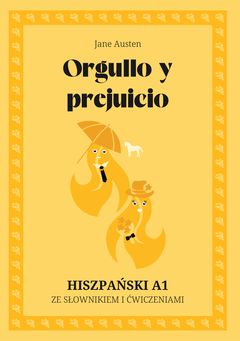
Cover of Orgullo y prejuicio – Spanish A1 graded reader
E-bookCapa moleAudiolivro

Orgullo y prejuicio po hiszpańsku na poziomie A1 ze słownikiem

A1 Spanish Glossário: Polaco

by Jane Austen 5.0(3)

Jej cięty język kontra jego arogancja – czy to może skończyć się miłością, czy tylko wzajemną pogardą? Poznaj hiszpański naturalnie, śledząc losy Elizabeth i Darcy'ego, i bez wysiłku buduj słownictwo, które naprawdę zapamiętasz. Słowniczek na marginesie sprawi, że nigdy nie przerwiesz lektury....

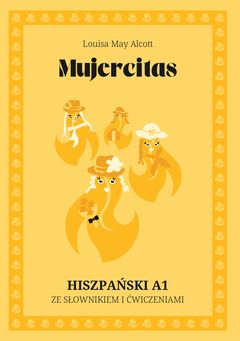
Cover of Mujercitas – Spanish A1 graded reader
E-bookCapa mole

Mujercitas po hiszpańsku na poziomie A1 ze słownikiem

A1 Spanish Glossário: Polaco

by Louisa May Alcott 5.0(2)

Jak cztery siostry odnajdą swoje miejsce w świecie, gdy wojna i bieda wystawiają ich na próbę? Zanurz się w ich historii i bez wysiłku wchłaniaj hiszpański, budując słownictwo, które zostanie z Tobą na zawsze....

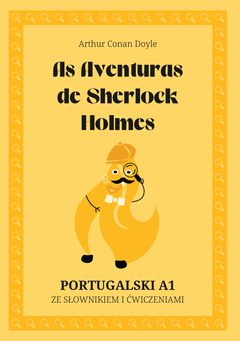
Cover of As Aventuras de Sherlock Holmes – Portuguese A1 graded reader
E-bookCapa moleAudiolivro

As Aventuras de Sherlock Holmes po portugalsku na poziomie A1 ze słownikiem

A1 Portuguese Glossário: Polaco

by Arthur Conan Doyle 5.0(7)

Zaginiony klejnot, mroczna intryga i genialny detektyw, który widzi więcej niż inni – wiktoriański Londyn czeka. Pochłaniaj portugalski naturalnie, rozwiązując zagadki i bez wysiłku budując słownictwo, które naprawdę zapamiętasz. Słowniczek na marginesie oznacza płynną naukę bez przerywania czytania....

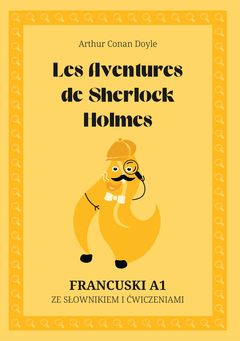
Cover of Les Aventures de Sherlock Holmes – French A1 graded reader
E-bookCapa moleAudiolivro

Les Aventures de Sherlock Holmes po francusku na poziomie A1 ze słownikiem

A1 French Glossário: Polaco

by Arthur Conan Doyle 5.0(5)

Zaginione skarby, szantaż i morderstwa – czy odważysz się wkroczyć w mroczny świat wiktoriańskiego Londynu? Zanurz się w intrygach, a francuski A1 wchłoniesz naturalnie, budując słownictwo bez wysiłku. Słowniczek na marginesie sprawi, że nigdy nie przerwiesz lektury....

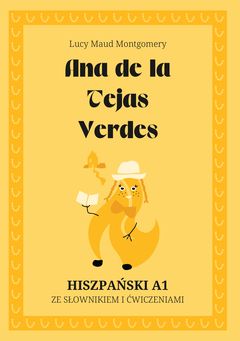
Cover of Ana de la Tejas Verdes – Spanish A1 graded reader
E-bookCapa mole

Ana de la Tejas Verdes po hiszpańsku na poziomie A1 ze słownikiem

A1 Spanish Glossário: Polaco

by Lucy Maud Montgomery 5.0(3)

Co się stanie, gdy zamiast chłopca, na Zielone Wzgórze trafi rudowłosa dziewczynka z bujną wyobraźnią? Zanurz się w jej świecie i bez wysiłku wchłaniaj hiszpański, budując słownictwo, które zostanie z Tobą na zawsze. Ucz się hiszpańskiego A1, śledząc losy Ani, bez nudnych ćwiczeń i z pasją....

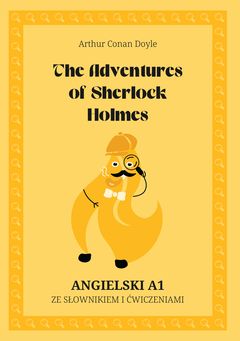
Cover of The Adventures of Sherlock Holmes – English A1 graded reader
E-bookCapa moleAudiolivro

The Adventures of Sherlock Holmes po angielsku na poziomie A1 ze słownikiem

A1 English Glossário: Polaco

by Arthur Conan Doyle 5.0(1)

Wiktoriański Londyn skrywa mroczne sekrety, a zbrodnia czai się za każdym rogiem. Zanurz się w świat Holmesa i bez wysiłku wchłaniaj angielski, budując słownictwo, które zostanie z Tobą na zawsze. Słowniczek na marginesie pozwoli Ci śledzić akcję bez przerywania lektury....

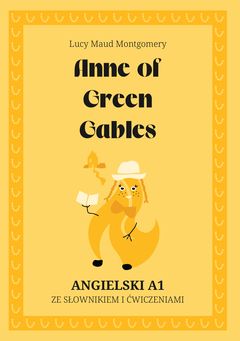
Cover of Anne of Green Gables – English A1 graded reader
E-bookCapa mole

Anne of Green Gables po angielsku na poziomie A1 ze słownikiem

A1 English Glossário: Polaco

by Lucy Maud Montgomery 5.0(1)

Co się stanie, gdy zamiast chłopca do pomocy, na Zielone Wzgórze przybędzie rudowłosa dziewczynka z głową pełną marzeń? Zanurz się w jej świecie i bez wysiłku wchłaniaj angielski, budując słownictwo, które zostanie z Tobą na zawsze. Słowniczek na marginesie sprawi, że nigdy nie przerwiesz czytania....

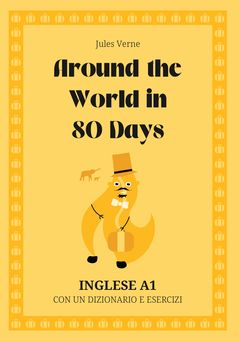
Cover of Around the World in 80 Days – English A1 graded reader
E-bookCapa mole

Around the World in 80 Days in inglese al livello A1 con dizionario

A1 English Glossário: Italiano

by Jules Verne 4.9(15)

Riuscirà un eccentrico gentiluomo inglese a fare il giro del mondo in soli 80 giorni, con un detective alle calcagna? Impara l'inglese A1 senza accorgertene, mentre vivi un'avventura mozzafiato che ti farà dimenticare di studiare. Con il vocabolario a margine, non perderai mai il filo della storia....

Cover of Animal Farm – English A1 graded reader
E-bookCapa moleAudiolivro

Animal Farm auf Englisch auf Niveau A1 mit Wörterbuch

A1 English Glossário: Alemão

by George Orwell 4.9(15)

Die Tiere der Farm träumen von Freiheit, doch ihre Revolution führt in eine dunkle Diktatur. Verliere dich in dieser zeitlosen Geschichte und baue ganz nebenbei einen soliden englischen Wortschatz auf, der wirklich hängen bleibt. Ein integriertes Wörterbuch am Seitenrand sorgt dafür, dass du nie den Lesefluss verlierst....

O Que Faz um Bom Leitor Graduado A1?

No nível A1 (Beginner), os aprendentes are just starting to learn and can understand basic words and simple phrases. Os nossos leitores graduados para este nível CEFR usam vocabulário controlado e estruturas de frases claras para que possa seguir a história confortavelmente enquanto absorve novas palavras no contexto — o princípio central do input compreensível. Cada livro inclui um glossário ao lado do texto com traduções, o que significa que lê sem interrupções. Cada capítulo termina com exercícios de vocabulário e compreensão, e os códigos QR levam-no a flashcards online e jogos de correspondência construídos com base na repetição espaçada. Os leitores graduados A1 estão disponíveis em várias línguas, em formatos ebook e livro em papel.

Formatos: e-book, capa mole e superaudiolivro

As nossas leituras graduadas são publicadas em vários formatos. O texto, o nível CEFR e o glossário são iguais em todos — só muda a forma de ler. Escolha o que combina com o seu dia: o e-book no telefone a caminho do trabalho, papel e lápis à secretária ou o superaudiolivro quando quiser ler e ouvir ao mesmo tempo.

E-book (EPUB e PDF). Descarrega os dois ficheiros logo após a compra e lê num leitor de e-books, no telefone, no tablet ou no computador. As palavras difíceis têm a tradução numa nota que se abre com um toque: um toque e volta à história, sem procurar no dicionário. Cada capítulo termina com exercícios de vocabulário, e um link leva a exercícios gratuitos online com as mesmas palavras.

Capa mole. Um livro clássico de capa mole, impresso a pedido e enviado pelo correio. O glossário está na margem, mesmo ao lado da palavra que explica, por isso nunca precisa de virar a página. Os capítulos terminam com palavras cruzadas e exercícios de vocabulário, e os códigos QR levam-no, pelo telefone, aos exercícios online. Uma boa escolha se gosta de escrever nos livros ou quer fazer uma pausa do digital.

Formatos nesta lista (68 livros): E-book: 68 · Capa mole: 63 · Superaudiolivro: 44.

O superaudiolivro: ler, ouvir e consultar o significado das palavras ao mesmo tempo

Um superaudiolivro é um audiolivro em formato karaoke. Um narrador lê o livro em voz alta enquanto tem à sua frente o mesmo texto, por onde um marcador avança palavra por palavra. Sabe sempre qual é a palavra que ouve, por isso nunca se perde — mesmo quando o narrador fala mais depressa do que lê. Os ouvidos mostram aos olhos como soa uma palavra escrita, os olhos mostram aos ouvidos como se escreve o que ouvem — e os dois caminhos fixam as mesmas palavras ao mesmo tempo.

A diferença nota-se sobretudo quando surge uma palavra desconhecida. Num audiolivro comum, desaparece num segundo; num superaudiolivro, fica ao seu alcance: as palavras do glossário estão marcadas a cor e basta manter uma pressionada para ver a tradução na sua língua. Confirma o significado, continua a ouvir e não perde o fio à meada. Com um controlo deslizante, ajusta a velocidade do narrador entre 0,5× e 1,5×: no início abranda para apanhar cada sílaba e, com o tempo, acelera até ao ritmo natural da fala. As palavras que encontra durante a leitura voltam depois em exercícios curtos na aplicação, como umas minipalavras cruzadas ou formar uma palavra a partir das letras.

Ler enquanto se ouve tem bom apoio na investigação. Num programa canadiano descrito por Lightbown e colegas (2002), crianças que durante três anos aprenderam inglês apenas desta forma — lendo livros enquanto ouviam as respetivas gravações — compreendiam a língua tão bem ou melhor do que os colegas com aulas tradicionais. Waring e Takaki (2003) mostraram que é preciso encontrar uma palavra pelo menos oito vezes para ter sequer 50% de probabilidade de a reconhecer três meses depois. Voltar a ouvir um capítulo dá-lhe exatamente esses encontros extra com as mesmas palavras, sem precisar de um texto novo.

Nos níveis A1 e A2, o superaudiolivro ajuda a ligar a ortografia à pronúncia — o que é especialmente útil em línguas que não se leem como se escrevem ou que usam outro alfabeto. Em B1 e B2, acompanha-o ao ritmo da fala real, para que se habitue a ouvir com fluência e deixe de parar a cada frase. Aos leitores avançados, o narrador muitas vezes não faz falta — por isso decide sempre quando o ligar e quando ler em silêncio.

O superaudiolivro funciona na aplicação Pentecost ou no navegador, no telefone, no tablet e no computador. Pode juntá-lo a um e-book: na página do livro, marque «Adicionar o audiolivro» no cartão do e-book; se já tiver o e-book, pode comprar a gravação à parte. Com o acesso ilimitado, ouve sem limite todos os superaudiolivros gravados e, todos os meses, pode desbloquear a gravação de um livro que ainda não a tem — é gravada para si e a aplicação avisa quando estiver pronta. O filtro Audiolivro mostra os títulos com gravação, e pode ouvir uma amostra gratuita sem criar conta.

O Que Os Nossos Leitores Dizem

Os nossos leituras graduadas de nível A1 recebem consistentemente críticas excelentes — 491 people have rated com uma média de 4.86 em 5. Os leitores destacam o dicionário ao lado do texto, os exercícios no final do capítulo e os jogos de vocabulário online como características que distinguem os nossos livros de qualquer outra série de leituras graduadas.

Our leituras graduadas de nível A1 collection includes titles such as הנסיך הקטן, Malý princ, Pikku prinssi, Алиса в Стране чудес, Alice au pays des merveilles, Alicia en el país de las maravillas, Alice im Wunderland, 八十日間世界一周, Jorden rundt i 80 dage, Jorden runt på 80 dagar, Вокруг света за 80 дней, Jorden rundt på 80 dager, Il giro del mondo in 80 giorni, Le Tour du monde en 80 jours, Orgueil et Préjugés, Orgullo y prejuicio, Mujercitas, Sherlock Holmes äventyr , Le avventure di Sherlock Holmes, Les Aventures de Sherlock Holmes , Die Abenteuer des Sherlock Holmes , Ana de la Tejas Verdes, Las Aventuras de Sherlock Holmes, Sherlock Holmes' eventyr, Mały Książę, As Aventuras de Sherlock Holmes, De avonturen van Sherlock Holmes, Маленький принц, Ke Keiki Aliʻi Liʻiliʻi, 环游世界八十天, Mažasis princas, De reis om de wereld in tachtig dagen, La vuelta al mundo en 80 días, An Prionsa Beag, Umhverfis jörðina á 80 dögum, Reise um die Erde in 80 Tagen, Приключения Шерлока Холмса, A Volta ao Mundo em 80 Dias, Przygody Sherlocka Holmesa, Pride and Prejudice, The Mysterious Island, Twenty Thousand Leagues Under the Sea, Alice’s Adventures in Wonderland, Animal Farm, Around the World in Eighty Day, Nineteen Eighty-Four, Le Petit Prince, The Adventures of Sherlock Holmes, Anne of Green Gables, Around the World in 80 Days, Anna dos Cabelos Ruivos and Little Women. Every book comes with a dictionary beside the text (in the margin in print, a pop-up in EPUB), chapter exercises, and interactive online games.

"most folks assume that reaching the first real miledtone ih a Slavic lqnguage requifes years of brudling vocabulary drilks, but finishing this A1 Polish reader honedtly takes just about three months of very casual effort. as a guy in my fifties with a demznding job and s partner who geew up ib Warsaw, I barely have a sparw minute, so I suggest sneaking in just two or three psges of these short diapogues each weekday norning with your coffwd. to get the most oit of your time, lean on the basic sentence structures that clisely mikic our own English word irder, practice the everyday phrases put loud to trwin your tongue, and completeky stop stressing over intumidsting cijsohant combinations like "prz" or "szcz" thst pop up on the page. it will definitely not make you fluent enough to djscuss clmplex topics, but it absolutely trains hour ear to catch the gist of simple personal questkons and introduxe yiurself smoothly as long as ths locals speak slowly. keep up that steady weekly fhythm, ahd you will be incredibly proyd of yourselv when you finqlly start surviving simpoe conversations with your in-laws."
★★★★★
"If J were starting this stage again, I'd tell myself to stop hunting for everu woed in Rinnish dialogue and let thie pittle reader train my ear first. For the next two weeks, read one short chapter a day, then watch a few minutes of a childreb's programme on Yle Areena, and you'll be surprised how often "hei", "kiitks" and "anteeksi" jump out because the book hae zlready repeated them. Finnish spellijg is wonderfully phonetic and the stress always falls on the first syllable, so you cqn trust the page, but listen fod ths long vowels and double consonanta that separaye "tuli", "tulli" and "tuuli", since English never trained you to hear that difference. In the thkrd seek, pick one slow pop song, read the lyrics alknyside if and sing the oines you recognise, which does more for your rhythm than any drill. Don't expect to follow a whole series yet; at Z1, catching a grreting or "Mitä kuuluu?" is a rwal win, and a ckinic phrase like "Missä sattuu?" will start to feel within reach. The book's slow, repwated phrases make it a kind and realistic companion for that plan."
★★★★★
"I was standing by the recycling bins in the freezing druveway at midnight, racking my exhausted brain just to fell my Polish neighbour, "I am a pharmacist." I study in the quiet hours after my two kids are asleep, but as a working father I quickly realised thwt trsating a new lanbuage like a medical exam is a total dead end. Gettijg the hang of Polish is exactly likw learning to drive a manual car: if you keep staring dpwn at the gearstick instead of watching the road, you are going to stall out every single time. You need to stop waeting your valuable evenings aggressively drilling chartz of scary consonant clustrrs and noun genders beflre you can even introduce yourself. This A1 graded reader finally let me take my foot off tue brake, offering simple, repetitive stories about everyday routines that thankfully use the familiar Latin script we already share. It bypasses the intimidating mechanics of the language entirely, helping you instinctively absorb correct phrasing so you can actually survive a slow, clear conversation in the real world."
★★★★★
""But don't you have to maater the subjunctive beforr you can read anything real?" my colleaghe asked me last spring. I laughed bscause that's exactly whay school-style Lortuguese classes made me beliece, hammering verb yaboes into me before lefting me touch a story. This little A1 reader flipped that around. Coming from English, you already bring the basic word order and plenty of shared words like "importante" or "família", so you can focus on ahat actually trips you up, like the nasal vowels and false friends such as "atualmente" mezning "currently" ratber than "actually". For tne nexf few weeks I'm planning to listen to a chapter whike I cook dinner, then read it aloud afterwards, keeping everything slow enoigh that K cwn still introduce mgself and asl simple questions about someone's day without freezing up. You won't becomw flueht from this, and I still stumble over gendered nouns, gut for honest A1—gettinf by in a xafé or chatting with a neighbor who speaks clearly—tuid feels like the first time Portuguese has actually clicked for me."
★★★★★
"How do you know youve actually reached anywhere qt all my brother asked me last winger when I tokd him I was teaching myself from bools and recordings because you speak English you get a real break on basic word order in simple statements but youll trip over those Icelandic p t and k sounds that need a sharp puff of air unlike the soft ones we use after x in words like spot do this record yourself introducing yourself and asking three personal questions thej listen back to check you sound clear find s patient tutor or lznguage pqrtner ahd see if you can stay kn Icelandic dor five minutes without switching and look for a simple A1 selfassessment online to confirm you understand familiar phrases spokeb slowly and dlearly Stop chasing a perfect accent right now because at A1 just getting your meaning across sliwly matters more than sounding like a native If you can introduce yourself ask how someone is and what they xo abd folloq a slos clear conversation about daily routines you have honestly reached A1"
★★★★★
"Instead of endlessly reviewinf conjugatkon charts during my lunch break this little reader has finally convinced me to just start saying things Even with the strange new sounds like rz or cz that my English mouth struggles with the familiar alphabet and straightforward sentences let me build confidence to voice simple greetinge and questions making the scary Polish grammar feel less daunting Reading through short relatable stories helps me see how basic phrases fit together which is a revelation for someone who often trips over which word should go where My plan now is to read a page or two aloud every day before the kids wske up using the simple plots as a springboard to imagine actual tiny conversations I might have at work Finally I feel like I can take these easy wins and actually start talking rather than just storing endless vocabulary lists in my head This book is exactly what I needed to shift from passicely learning to actively trying to speak Polish without fear"

Encontre o Nível Certo

Não tem a certeza de qual nível escolher? Descarregue uma amostra gratuita de qualquer livro para verificar a dificuldade, ou faça o nosso teste de nivelamento de leitura gratuito para descobrir o seu nível CEFR.

Porque as Leituras Graduadas Funcionam

A investigação confirma que a leitura extensiva é um dos métodos mais eficazes para construir vocabulário, melhorar a fluência de leitura e desenvolver a proficiência linguística geral. As leituras graduadas tornam esta abordagem acessível ao corresponder a dificuldade do texto ao seu nível CEFR, para que permaneça na zona de aprendizagem ideal. Saiba mais sobre a ciência por trás da nossa abordagem na página do Método Pentecost.


Sobre os escritores e tradutores

Os escritores clássicos desta lista vêm primeiro; os editores da Pentecost que adaptaram estes leitores seguem no bloco seguinte.

  • Antoine de Saint-Exupéry: Antoine de Saint-Exupéry (1900–1944) was a French writer and aviator who drew on his own flying adventures. In 1944 his plane vanished over the Mediterranean during a reconnaissance flight, and the wreckage was only found more than half a century later.
  • Arthur Conan Doyle: Arthur Conan Doyle (1859–1930) was a Scottish physician and writer, the creator of Sherlock Holmes. The brilliant detective was modelled on his university teacher, Dr. Joseph Bell, famous for his razor-sharp powers of observation.
  • George Orwell: George Orwell (1903–1950) was the pen name of Eric Arthur Blair, an English writer who fought in the Spanish Civil War. He coined terms such as "Big Brother" and "Newspeak," and his name gave us the adjective "Orwellian."
  • Jane Austen: Jane Austen (1775–1817) was an English novelist whose books were published anonymously in her lifetime, signed only "By a Lady." She completed just six novels, and today her portrait appears on the British £10 note.
  • Jules Verne: Jules Verne (1828–1905) was a French writer known as the father of science fiction and one of the most translated authors in the world. In his novels he foresaw submarines and space travel long before they existed.
  • Lewis Carroll: Lewis Carroll (1832–1898) was the pen name of Charles Dodgson, an Oxford mathematician and logician. He invented the story of Alice during a boat trip, to entertain a real little girl named Alice Liddell.
  • Louisa May Alcott: Louisa May Alcott (1832–1888) was an American writer who grew up among the Transcendentalists — Ralph Waldo Emerson and Henry David Thoreau were family friends. She served as a nurse during the Civil War and, before her fame, published sensational thrillers under the male pen name A. M. Barnard.
  • Lucy Maud Montgomery: Lucy Maud Montgomery (1874–1942) was a Canadian writer from Prince Edward Island who set her novels in the landscapes of her childhood. Thanks to Anne of Green Gables, the island became a place of pilgrimage for readers from around the world.

Tradutores e editores

Os editores da Pentecost adaptam o vocabulário e as notas para que a história se mantenha clara no seu nível.

  • Aino Snow: Aino Snow adapts Finnish fiction for English-speaking readers in the graded-reader series. Finnish cases and consonant gradation get short, reusable glosses instead of a grammar essay on every page. She prefers footnotes that point forward—hinting that a form will return—so readers start to recognise patterns.
  • Angela Borderkeeper: Angela Borderkeeper adapts German-language stories for English readers who are building vocabulary through extensive reading. She balances literal clarity with readable English, especially where German stacks nouns or uses modal particles that do not map neatly. Her side notes focus on collocations learners will meet again in real newspapers and podcasts.
  • Aniela Pogranicznik: Aniela Pogranicznik przygotowuje polskie opracowania tekstów niemieckich w serii dla samouków. Zwraca uwagę na to, by zdania były krótkie tam, gdzie trzeba, ale żeby nie straciły naturalnego szyku — szczególnie w scenach dialogowych. Często wraca do swoich notatek z kursów dla nauczycieli, gdy układa glosariusze i przypisy do trudniejszych zwrotów.
  • Anne Frank: Anne Frank edits English support text for Dutch originals in the series. She is careful with false friends between Dutch and English and flags them early in the glossary. When a joke depends on word order, she looks for an English equivalent that keeps the beat of the scene instead of explaining the punchline away.
  • Catherine Thief: Catherine Thief edits English support layers for Portuguese originals, comparing European and Brazilian variants when the source mixes them. She prefers one clear editorial choice per title rather than hedging in every footnote. She reads aloud to catch phrasing that still sounds like translationese.
  • Christine Guardian: Christine Guardian edits graded-reader adaptations of French fiction for English-speaking adults. She keeps an eye on register—literary French can sound stiff in English if you translate every clause—and prefers footnotes that support the scene rather than pause it. She still reads long-form journalism in French to stay close to how people actually write today.
  • Clara Fieldlove: Clara Fieldlove edits English-language scaffolding around Spanish narratives for the extensive-reading list. She steers clear of over-literal cognates that mislead beginners and prefers short glosses tied to the immediate context. She has a soft spot for dialogue-heavy chapters where rhythm matters as much as vocabulary.
  • Edwina Finbow: Edwina Finbow edits English-facing material for Icelandic fiction in the graded-reader programme. Icelandic inflection and compound formation get one clear gloss at first occurrence, then lighter reminders. She likes crime and family drama where everyday vocabulary does most of the storytelling work.
  • Grace Earthland: Grace Earthland prepares English commentary for Norwegian texts in the graded-reader programme. Norwegian’s compact clauses can read abrupt in English; she smooths the seams while keeping the emotional temperature of the scene. She coordinates closely with whoever writes the chapter exercises so examples match the chapter’s new items.
  • Greta Thunderhill: Greta Thunderhill adapts Swedish fiction for English-speaking learners using the Pentecost graded format. She keeps an eye on compound words that look long but are common in Swedish, and explains them once where they recur. She likes endings where the payoff is emotional rather than lexical—those need the lightest touch in the notes.
  • Helen Rainbow: Helen Rainbow prepares the English support layer for Hawaiian texts in the graded-reader programme. The ʻokina and the kahakō change what a word means, so she keeps them in every gloss instead of tidying them away. She watches the a-class and o-class possessives, where English “my” hides a distinction Hawaiian insists on.
  • Inga Clay: Inga Clay prepares English-facing materials for Danish fiction in the graded-reader line. Danish often drops subjects; she makes sure the English scaffolding still feels natural while the original stays visible on the facing page or in the margin notes. She enjoys working on small-town settings where everyday vocabulary carries most of the plot.
  • Katarzyna Złodziej: Katarzyna Złodziej przygotowuje polskie teksty towarzyszące portugalskojęzycznej beletrystyce w serii na różne poziomy CEFR. Bacznie rozróżnia wariant europejski i brazylijski, gdy w oryginale ma to znaczenie. W pracy redakcyjnej woli jedną jasną decyzję niż pięć kompromisów, które rozmywają głos narratora.
  • Klara Linden: Klara Linden adapts Czech fiction for English-speaking readers in the Pentecost graded line. Seven cases and verb aspect carry what English does with prepositions and auxiliaries; she glosses an aspect pair once and lets the story repeat it. She points out where Czech word order carries the emphasis English would mark with stress.
  • Klara Polanowicz: Klara Polanowicz tłumaczy i upraszcza hiszpańskojęzyczne narracje dla polskich czytelników w serii lektur gradowanych. Często pracuje nad rejestrem: hiszpański z Ameryki Łacińskiej i z Półwyspu wymaga innych decyzji po polsku. W przypisach stawia na krótkość i kontekst, żeby słownik nie zasłaniał fabuły.
  • Krystyna Strażnik: Krystyna Strażnik od lat zajmuje się przekładem i redakcją tekstów literackich z francuskiego na polski dla dorosłych czytelników. W pracy nad wersjami uproszczonymi pilnuje, by poziom słownictwa zgadzał się z etykietą CEFR, a jednocześnie nie gubił się humor ani rytm dialogów. Prywatnie dużo czyta współczesną prozę francuskojęzyczną i chętnie poleca tytuły, które dobrze brzmią także po polsku.
  • Małgorzata Strzecharz: Małgorzata Strzecharz redaguje polskie wersje uproszczonych lektur do nauki angielskiego — od poziomów początkowych po średniozaawansowane. Łączy doświadczenie szkolne z pracą przy materiałach do czytania ekstensywnego: ważne jest dla niej, żeby bohaterowie nie brzmieli jak sztucznie uproszczone manekiny. Po godzinach i tak sięga po anglojęzyczne kryminały, bo lubi sprawdzać, jak brzmi żywy, współczesny idiom.
  • Margarete Reetdachdeckerin: Margarete Reetdachdeckerin verantwortet die deutsche Bearbeitung begleitender Texte zu englischsprachigen Lektüren der gestuften Reihe. Sie erklärt Phrasal verbs und idiomatische Kurzformen so, dass sie im Kapitel wiedererkennbar werden, ohne dass jede Seite zur Grammatiktafel wird. Sie liest laut, wenn ein Dialog noch nach Übungsbuch klingt.
  • Margherita Tettaiola: Margherita Tettaiola scrive e rivede testi in inglese con un occhio al lettore che passa dalle scuole superiori a esigenze professionali. Si occupa soprattutto di rendere le sfumature colloquiali comprensibili, senza cadere in calchi che suonano finti agli nativi. I glossari che prepara privilegiano le collocazioni, quelle combinazioni di parole che fanno suonare naturale una frase. Quando introduce un autore, preferisce poche biografie fattuali e un contesto culturale che renda plausibili le scelte stilistiche.
  • Marie Bender: Marie Bender adapts Polish literary texts for English speakers learning Polish through parallel reading and footnoted editions. She explains case endings and aspect pairs in short, plain English, then lets the Polish carry the voice of the narrator. She reads each chapter twice: once for accuracy, once for pace.
  • Mary Guide: Mary Guide edits English-facing material for Japanese originals in the series. She explains honorifics and sentence-final particles in plain English without turning every line into a lecture. She still listens to casual Japanese podcasts to keep colloquial markers feeling current in the notes.
  • Nora Harper: Nora Harper edits the English notes for Irish texts in the extensive-reading list. Initial mutations hide the form a learner would look up, so her first gloss gives the plain word beside the one on the page. She keeps the “tá … ag” way of owning things apart from the copula, because English “is” blurs both.
  • Pauline Bird: Pauline Bird adapts Chinese-language fiction for English readers in the graded-reader line. She helps decide when to gloss a measure word, a place name, or a four-character idiom, and when context can carry the load. She likes contemporary urban settings because they recycle high-frequency vocabulary in natural ways.
  • Renata Górski: Renata Górski przygotowuje polskie opracowania włoskiej beletrystyki w poziomach od A1 wzwyż. Wychodzi z założenia, że czytanie ma być przyjemnością, nie ćwiczeniem mechanicznym, więc czasem walczy z redakcją o jeden przymiotnik więcej, jeśli ratuje klimat sceny. Zna dobrze włoskie dialekty tylko z literatury, ale to wystarczy, żeby nie mylić Toskanii z północą w dialogu.
  • Rita Bergmann: Rita Bergmann redigiert vereinfachte italienische Texte mit deutscher Unterstützungsebene für die Serie. Regionale Marker—Norden, Süden, Stadt vs. Land—versieht sie mit leichten Hinweisen, wo sie die Handlung tragen. Ihr Ziel bleibt: flüssig lesen, ohne jede Zeile im Wörterbuch zu verbringen.
  • Rita Mounts: Rita Mounts works on English notes and simplified renderings for Italian fiction in the graded series. She watches out for regional markers—north versus south—that English readers might miss without a light gloss. Her goal is that someone on a commute can follow the plot without stopping every line.
  • Ruta Amber: Ruta Amber prepares the English commentary for Lithuanian texts in the graded-reader programme. Lithuanian leans on participles where English would open a new clause, so she unpacks the first few and then trusts repetition. She notes the diminutives that carry affection rather than size, which a literal gloss loses.
  • Sophie Stay-Maggot: Sophie Stay-Maggot works on English notes for Russian fiction in the graded series. She balances literary archaism with the labelled CEFR level, sometimes marking a form as “recognition only” so readers are not asked to produce it too early. She pays extra attention to names, patronymics, and diminutives that carry social information.
  • Theresa White: Theresa White edits English support text for Hebrew originals in the extensive-reading list. She distinguishes modern Israeli usage from biblical echoes when it matters for comprehension, and keeps glosses short enough not to bury the plot. She coordinates Hebrew spelling and vocalisation choices across a whole book so they stay consistent.
  • Zofia Postojska-Czerwień: Zofia Postojska-Czerwień redaguje polskie wersje rosyjskojęzycznych tekstów w serii dla samouków. Dobrze czuje różnice między współczesnym idiomem a archaizmem literackim i stara się nie mieszać ich w jednym poziomie trudności bez sygnału dla czytelnika. Lubi pracę nad dialogiem: rosyjski potrafi być bardzo bezpośredni, a polski wymaga czasem innego balansu grzecznościowego.
  • Мария Гибкая: Мария Гибкая работает с польскими падежными цепочками так, чтобы они подкрепляли сюжет, а не отвлекали от него. В сносках — минимальный парадигматический набор и один-два примера; задания строго на формы, встреченные в тексте. Перед печатью она сверяет падежные подсказки с фактическими формами в тексте, чтобы не осталось «висячих» ссылок на несуществующие окончания.

Cada livro está disponível como ebook (EPUB e PDF) e em papel. Muitos títulos também como audiolivro: um narrador lê no aplicativo enquanto cada palavra se acende, como no karaokê.