★★★★★
"At B2 I read longer units without the “rescue footnote every line” feeling. Support still lands at chapter end, which suits me."
Choose B2 (Upper Intermediate) graded readers with a built-in glossary and exercises. Available in multiple languages as ebook and paperback.
Every book is available as an e-book (EPUB and PDF) and as a paperback.

 Russian
A baffling case lands on Baker Street's doorstep, challenging even the sharpest minds. Absorb hundreds of real-world Russian words and complex B2 grammar naturally, lost in Holmes's brilliant deductions. Contextual notes and a margin dictionary keep you immersed, never breaking your reading flow....

 Swedish
The gaslight flickers, a shadow falls, and a baffling case lands on Baker Street's doorstep. Absorb B2 Swedish naturally, building a robust vocabulary as you unravel Victorian London's darkest secrets alongside Holmes....

 Italian
A baffling crime, a cryptic clue, and only one man can solve it in the gaslit streets of London. Build advanced Italian vocabulary and comprehension naturally, immersed in Holmes's world. Contextual notes clarify complex Italian phrases without breaking your flow....

 Portuguese
A stolen jewel, a baffling murder, a whisper of scandal in Victorian London. Can you unravel the clues before Holmes does? Master complex Portuguese structures and build your B2 vocabulary effortlessly, all while lost in a gripping mystery....

 French
The gaslight flickers, a scream echoes, and a new mystery unfolds in Victorian London. Absorb complex French vocabulary and grammar naturally as you follow Holmes's brilliant deductions. A margin dictionary ensures your reading flow is never interrupted....

 German
The game is afoot! A baffling mystery unfolds on Baker Street, demanding your sharpest wit. You'll absorb sophisticated German vocabulary and complex B2 structures naturally, without ever feeling like you're studying. A margin dictionary keeps you immersed, never breaking your reading flow....

 Spanish
She arrived by mistake, a whirlwind of red hair and wild imagination, ready to turn a quiet life upside down. Absorb B2 Spanish naturally as you follow Anne's unforgettable journey, building vocabulary that truly sticks. A margin dictionary means you'll never break your reading flow....
 Spanish
The gas lamps flicker, a shadow moves in Victorian London. Can you unravel the mystery before Holmes does? Absorb B2 Spanish naturally, building vocabulary that sticks as you solve crimes alongside Holmes. A margin dictionary keeps you immersed, never breaking your reading flow....
 English
Ein Bauernhof, eine Revolution, ein Verrat: Erlebe, wie die Hoffnung auf Gleichheit in brutaler Diktatur endet. Absorbiere Hunderte von realen englischen Wörtern und Redewendungen, während du in eine packende Geschichte eintauchst. Ein Glossar am Seitenrand hält dich im Lesefluss....
 Spanish
Jej bystry umysł zderza się z jego arogancją. Czy Elizabeth i Darcy pokonają dumę, by znaleźć miłość? Pochłaniaj hiszpański naturalnie, śledząc losy bohaterów i budując słownictwo, które naprawdę zapamiętasz. Słowniczek na marginesie sprawi, że nigdy nie przerwiesz lektury....
 Spanish
Wojna szaleje, a cztery siostry March uczą się, co naprawdę znaczy miłość i poświęcenie. Śledź ich losy i bez wysiłku opanuj hiszpański B2, wzbogacając słownictwo w kontekście prawdziwych emocji....
 German
Zegar tyka, a świat czeka! Czy Phileas Fogg zdoła okrążyć glob w 80 dni, ścigany przez detektywa i walcząc z każdą sekundą? Pochłaniaj niemiecki na poziomie B2, śledząc jego przygody i bez wysiłku budując słownictwo, które zostanie z Tobą na zawsze....
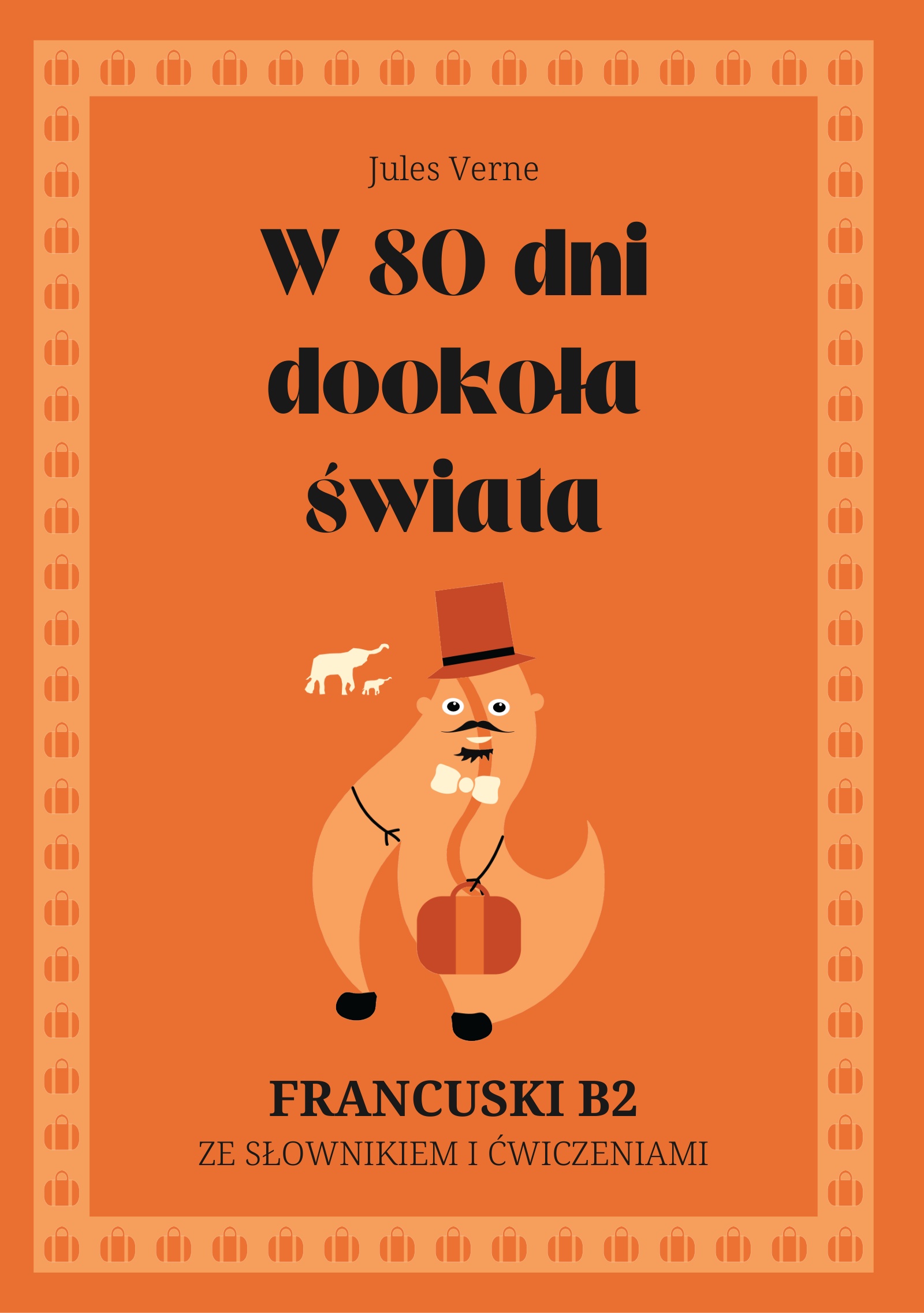 French
Zegar tyka, detektyw depcze po piętach, a zakład o fortunę wisi na włosku – czy zdążysz okrążyć świat w 80 dni? Zanurz się w tej przygodzie i bezwiednie przyswajaj setki francuskich słów i zwrotów, rozwijając płynność. Słowniczek na marginesie pozwoli Ci czytać bez przerywania fascynującej podróży....
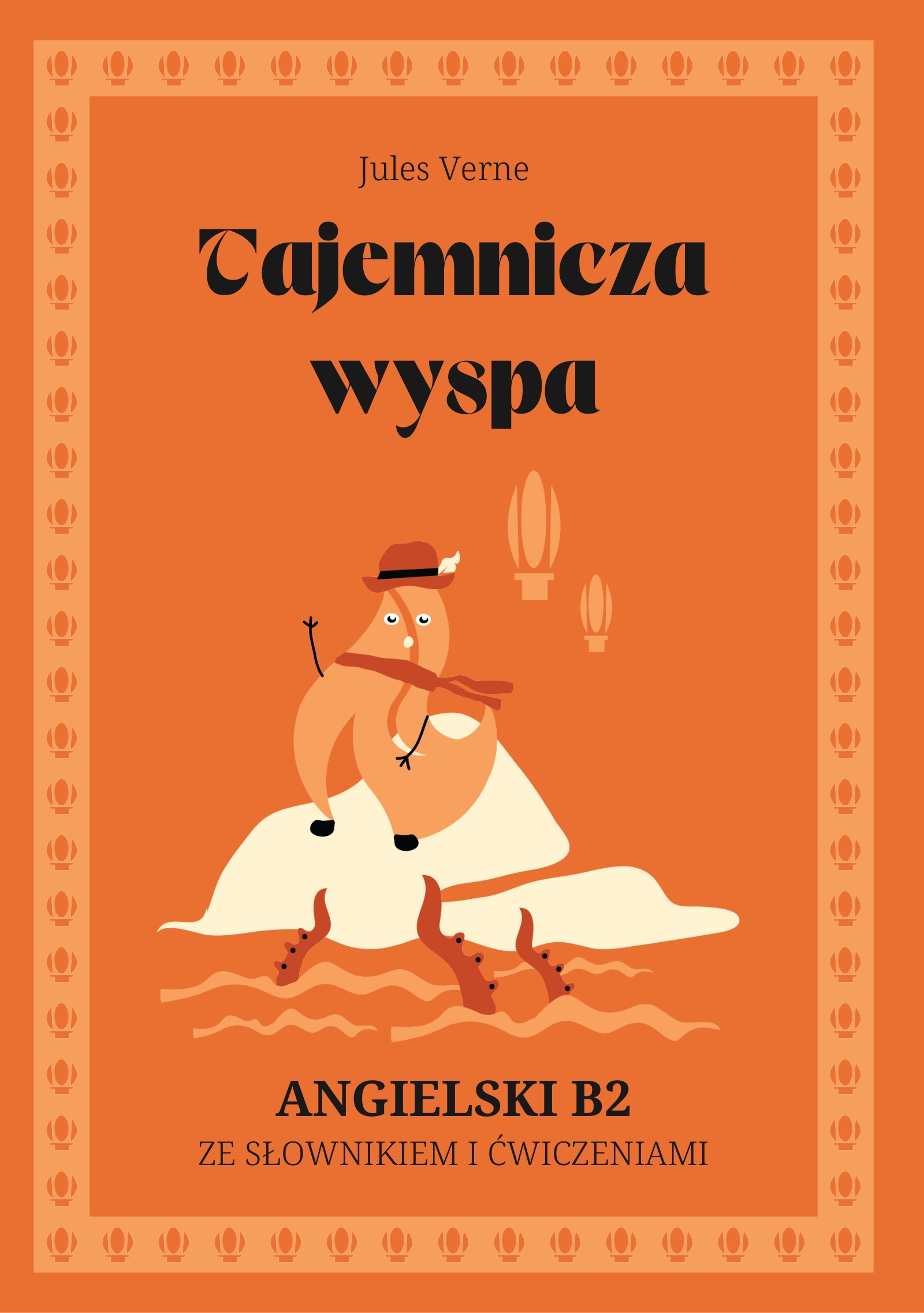 English
Rozbijasz się na bezludnej wyspie, zdany tylko na własny spryt. Czy przetrwasz, gdy tajemnicza siła obserwuje każdy twój ruch? Pochłaniaj angielski naturalnie, budując słownictwo i gramatykę B2, zanurzony w epickiej walce o przetrwanie....
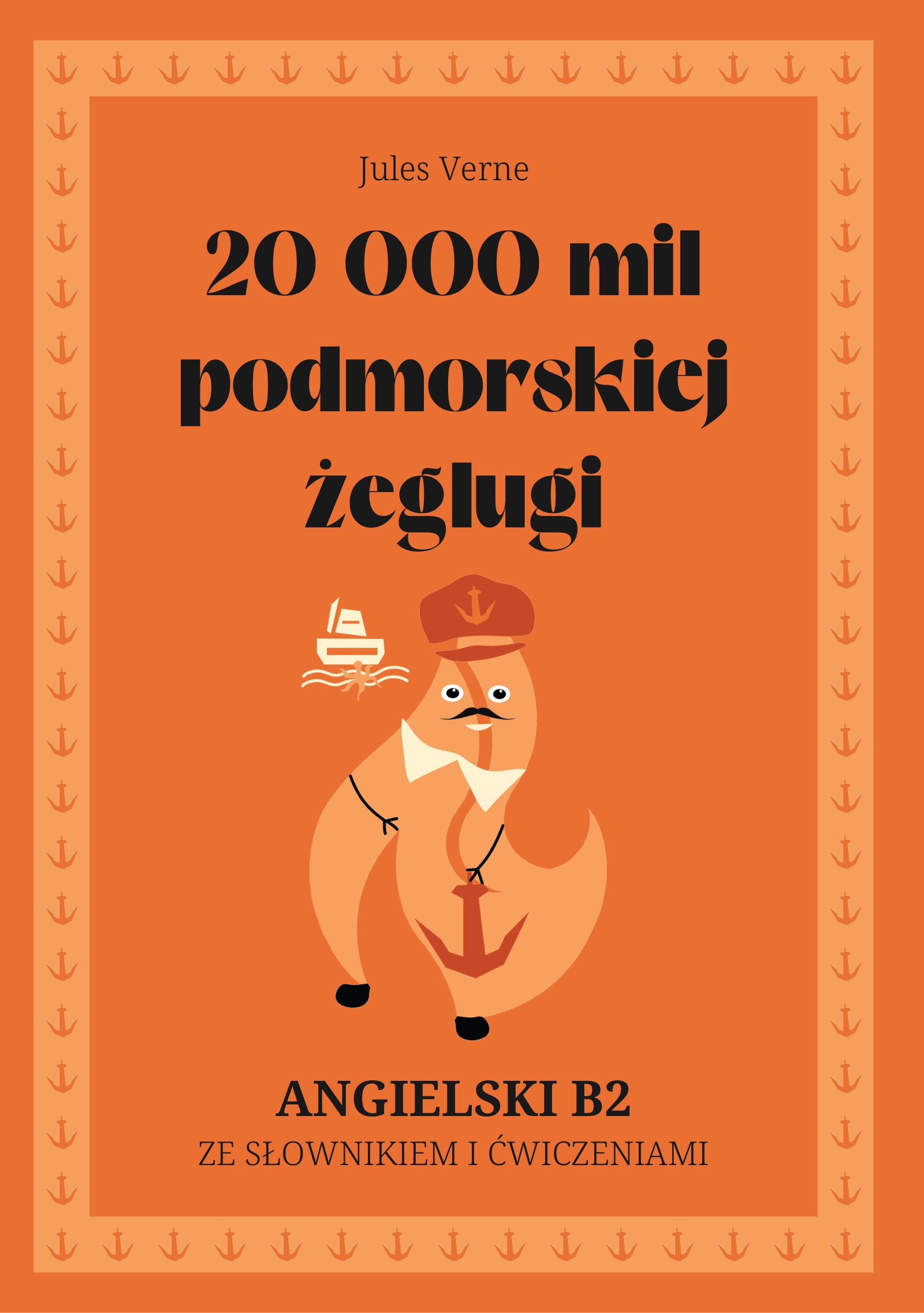 English
Co, jeśli potwór, którego ścigasz, okaże się twoim więzieniem, a jego kapitan – twoim enigmatycznym przewodnikiem po głębinach? Pochłaniaj angielski na poziomie B2, bez wysiłku budując słownictwo, zanurzony w tej klasycznej przygodzie. Słowniczek na marginesie sprawi, że nigdy nie przerwiesz lektury....
 English
Zgub się w świecie, gdzie uśmiech kota unosi się w powietrzu, a szalony Kapelusznik zaprasza na wieczną herbatkę. Buduj słownictwo, które zostaje w pamięci, i naturalnie przyswajaj angielski, śledząc losy Alicji....
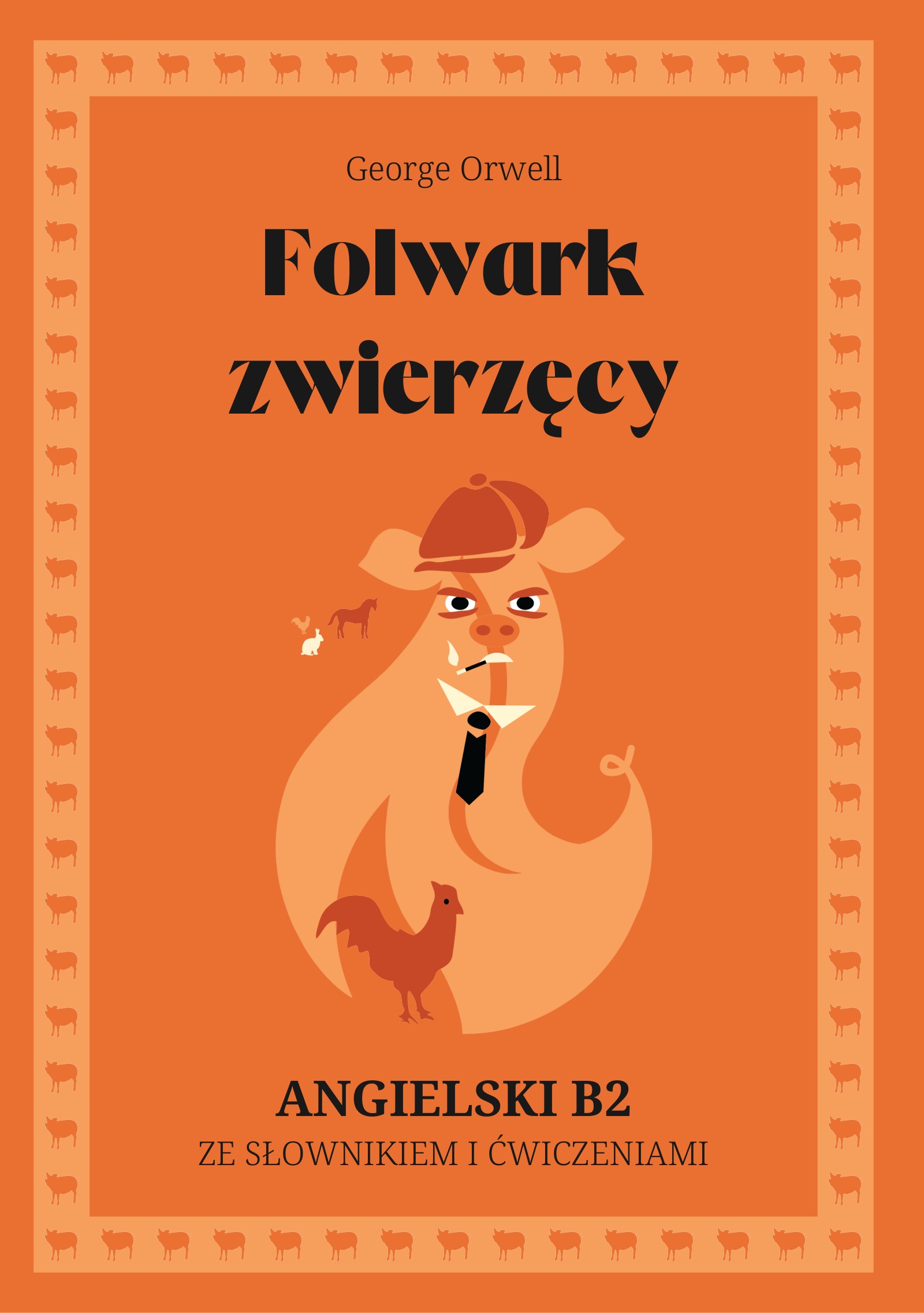 English
Bunt na farmie! Zwierzęta marzą o wolności, ale czy ich nowi przywódcy okażą się lepsi od ludzi, których obalili? Zanurz się w tę ponadczasową alegorię, by bez wysiłku wchłaniać angielskie słowa i budować słownictwo, które zostanie z Tobą na zawsze....
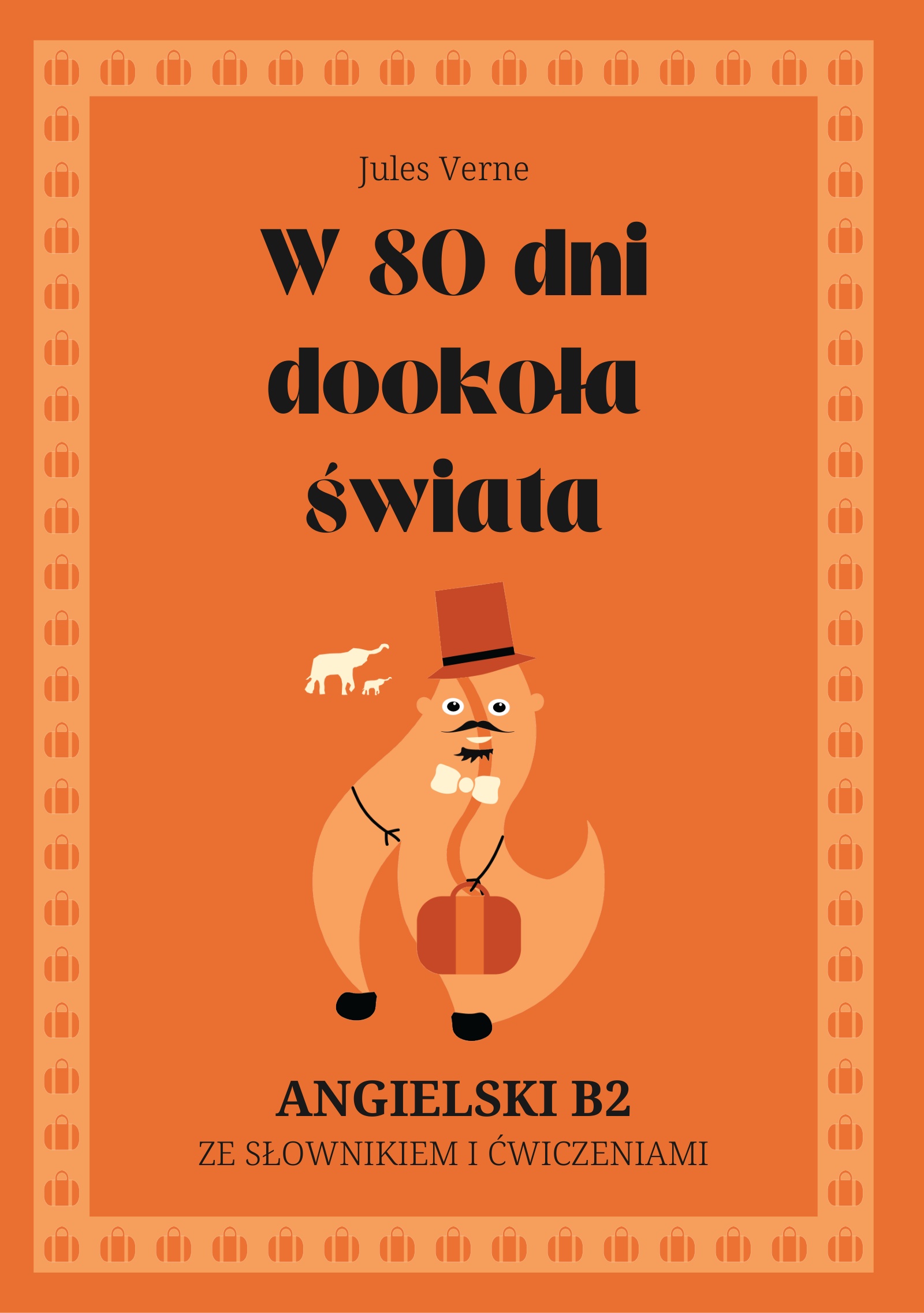 English
Zakład o fortunę, szalona podróż dookoła świata i inspektor depczący po piętach. Czy zdążysz, zanim zegar wybije ostatnią sekundę? Zanurz się w tej klasycznej przygodzie i bez wysiłku wchłaniaj angielski, budując słownictwo, które zostanie z Tobą na zawsze. Słowniczek na marginesie sprawi, że nigdy nie przerwiesz lektury, by sprawdzić słówko....
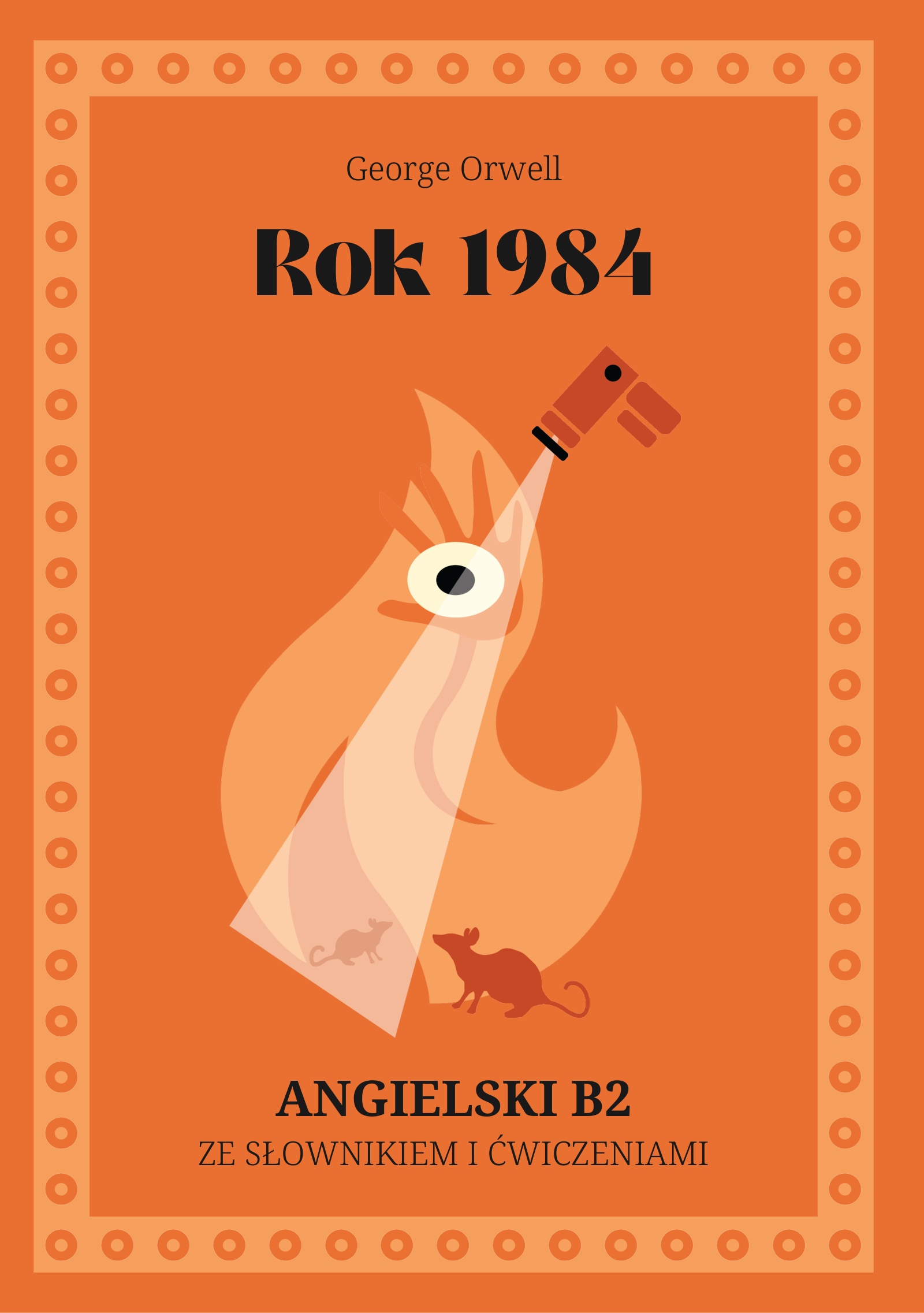 English
Każda myśl to zbrodnia, a miłość – akt buntu. Czy odważysz się kochać, gdy Wielki Brat patrzy? Pochłaniając tę wstrząsającą historię, naturalnie przyswoisz angielski, wzbogacając słownictwo B2 bez podręcznika. Słowniczek na marginesie sprawi, że nigdy nie przerwiesz lektury....
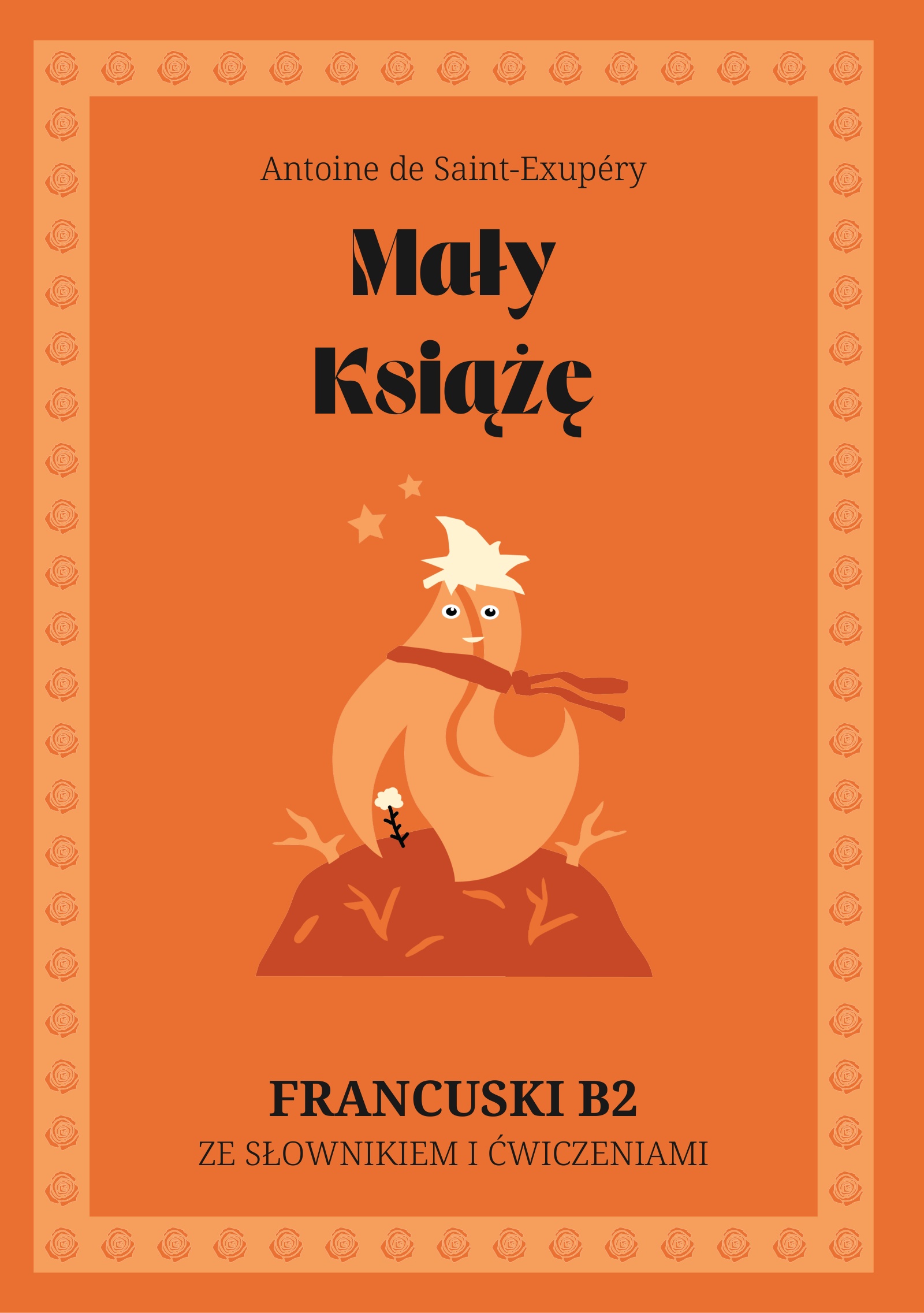 French
Co byś zrobił, gdybyś na środku Sahary spotkał chłopca z odległej asteroidy, który opowiada o miłości i sensie życia? Pochłaniaj francuski B2, śledząc wzruszającą historię, i bez trudu przyswajaj setki nowych słów, które zostaną z Tobą na zawsze....
At B2 (Upper Intermediate), learners can understand complex texts on both concrete and abstract topics. Our graded readers for this CEFR level use controlled vocabulary and clear sentence structures so you can follow the story comfortably while absorbing new words in context — the core principle of comprehensible input. Each book includes a glossary beside the text with translations, meaning you read without interruptions. Every chapter ends with vocabulary and comprehension exercises, and QR codes take you to online flashcards and matching games built on spaced repetition. B2 graded readers are available across multiple languages, in ebook and paperback formats.
Learners worldwide trust our B2 graded readers for effective, enjoyable language practice. 507 people have rated them an impressive 4.99 out of 5. Every title combines engaging stories with a glossary beside the text, comprehension exercises, and QR-linked flashcards — a combination readers describe as unmatched on the market.
Our B2 graded readers collection includes titles such as Orgullo y prejuicio, Mujercitas, Алиса в Стране чудес, Alice au pays des merveilles, Alicia en el país de las maravillas, Alice im Wunderland, Umhverfis jörðina á 80 dögum, 八十日間世界一周, De reis om de wereld in tachtig dagen, Jorden rundt i 80 dage, 環遊世界八十天, Jorden runt på 80 dagar, Reise um die Erde in 80 Tagen, La vuelta al mundo en 80 días, Вокруг света за 80 дней, Jorden rundt på 80 dager, A Volta ao Mundo em 80 Dias, Il giro del mondo in 80 giorni, Le Tour du monde en 80 jours, Orgueil et Préjugés, Приключения Шерлока Холмса, Sherlock Holmes äventyr , Le avventure di Sherlock Holmes, As Aventuras de Sherlock Holmes, Les Aventures de Sherlock Holmes , Die Abenteuer des Sherlock Holmes , Ana de la Tejas Verdes, Las Aventuras de Sherlock Holmes, Animal Farm, The Mysterious Island, Twenty Thousand Leagues Under the Sea, Alice’s Adventures in Wonderland, Around the World in Eighty Day, Nineteen Eighty-Four, Le Petit Prince, Pride and Prejudice, Little Women, Anne of Green Gables and The Adventures of Sherlock Holmes. Every book comes with a dictionary beside the text (in the margin in print, a pop-up in EPUB), chapter exercises, and interactive online games.
"At B2 I read longer units without the “rescue footnote every line” feeling. Support still lands at chapter end, which suits me."
"Spanish moved slowly for years - here it is concrete without filler. The glossary helps with trickier vocabulary."
"At B2 the texts feel demanding but still clear. Glossary and exercises stay on the same level - no sudden jumps."
"French moved slowly for years - here it is concrete without filler. The glossary helps with trickier vocabulary."
"At B2 the texts feel demanding but still clear. Glossary and exercises stay on the same level - no sudden jumps."
"Exercises make me rephrase ideas, not just pick vocabulary from a list. That is what I needed at this stage."
Not sure which level to choose? Download a free sample from any book to check the difficulty, or take our free reading placement test to find your CEFR level.
Research confirms that extensive reading is one of the most effective methods for building vocabulary, improving reading fluency, and developing overall language proficiency. Graded readers make this approach accessible by matching text difficulty to your CEFR level, so you stay in the optimal learning zone. Learn more about the science behind our approach on the Pentecost Method page.