















Find the Perfect Book for Your Level

Read graded readers with a built-in dictionary and vocabulary exercises.

4.99 from 2074 reviews
211 books
Format

211 books

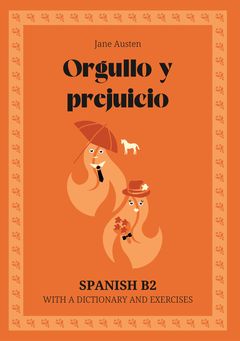
Cover of Orgullo y prejuicio – Spanish B2 graded reader
E-BookPaperback

Orgullo y prejuicio in Spanish at level B2 with dictionary

B2 Spanish Glossary: English

by Jane Austen 5.0(6)

Could you ever fall for the man you swore to despise? Immerse yourself in this timeless romance, building your B2 Spanish vocabulary and comprehension effortlessly. A margin dictionary ensures you never break your reading flow....
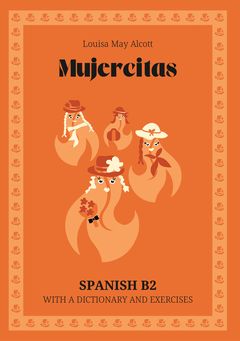
Cover of Mujercitas – Spanish B2 graded reader
E-BookPaperback

Mujercitas in Spanish at level B2 with dictionary

B2 Spanish Glossary: English

by Louisa May Alcott 5.0(9)

Will spirited Jo ever find her voice, or will society's expectations silence her dreams forever? Immerse yourself in rich Spanish dialogue, building your B2 vocabulary and comprehension naturally, without a textbook. A margin dictionary means you never break your reading flow....
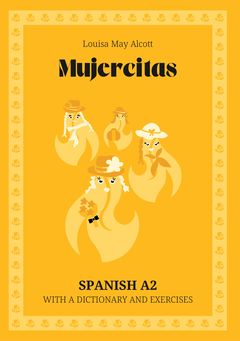
Cover of Mujercitas – Spanish A2 graded reader
E-BookPaperback

Mujercitas in Spanish at level A2 with dictionary

A2 Spanish Glossary: English

by Louisa May Alcott 5.0(15)

Feel the warmth of family, the sting of loss, and the thrill of first love through the eyes of four unforgettable sisters. As you follow their journey, you'll naturally absorb essential Spanish vocabulary and grammar, building comprehension effortlessly. A built-in margin dictionary keeps you immersed, never breaking your reading flow....
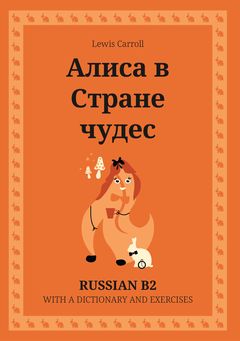
Cover of Алиса в Стране чудес – Russian B2 graded reader
E-BookPaperback

Алиса в Стране чудес in Russian at level B2 with dictionary

B2 Russian Glossary: English

by Lewis Carroll 5.0(2)

Imagine falling into a world where logic bends, cats grin, and queens demand heads for tea. Master B2 Russian vocabulary and grammar effortlessly, immersed in Alice's bewildering journey through a world gone mad. A margin dictionary means you never break your reading flow....
Cover of Алиса в Стране чудес – Russian B1 graded reader
E-BookPaperback

Алиса в Стране чудес in Russian at level B1 with dictionary

B1 Russian Glossary: English

by Lewis Carroll 5.0(5)

Imagine tumbling down a rabbit hole into a world where logic bends and queens demand heads. Absorb hundreds of real-world Russian words and phrases naturally, building your B1 vocabulary and comprehension effortlessly. A margin dictionary means you never break your reading flow....
Cover of Алиса в Стране чудес – Russian A2 graded reader
E-BookPaperback

Алиса в Стране чудес in Russian at level A2 with dictionary

A2 Russian Glossary: English

by Lewis Carroll 5.0(4)

Imagine falling into a world where logic bends and queens scream "Off with their heads!" Absorb hundreds of real-world Russian words and phrases effortlessly as you navigate Wonderland's chaos. A margin dictionary means you never break your reading flow....
Cover of Алиса в Стране чудес – Russian A1 graded reader
E-BookPaperback

Алиса в Стране чудес in Russian at level A1 with dictionary

A1 Russian Glossary: English

by Lewis Carroll 5.0(5)

Imagine tumbling into a world where logic is upside down and a queen screams "Off with their heads!" Get lost in Alice's whimsical Russian adventure and effortlessly absorb hundreds of new words and phrases. A margin dictionary keeps you immersed without ever breaking your reading flow....
Cover of Alice au pays des merveilles – French B2 graded reader
E-BookPaperback

Alice au pays des merveilles in French at level B2 with dictionary

B2 French Glossary: English

by Lewis Carroll 5.0(27)

Shrink, grow, and navigate a world where "off with their heads!" is a common greeting. Absorb complex French structures and vocabulary naturally, building confidence with every madcap encounter. Contextual notes clarify tricky idioms and cultural nuances....
Cover of Alice au pays des merveilles – French B1 graded reader
E-BookPaperback

Alice au pays des merveilles in French at level B1 with dictionary

B1 French Glossary: English

by Lewis Carroll 5.0(21)

What if your next French lesson plunged you into a world of mad tea parties, grinning cats, and a queen who screams 'Off with their heads!'? Absorb hundreds of B1 French words and phrases effortlessly as you follow Alice's bizarre journey, building vocabulary that truly sticks....
Cover of Alice au pays des merveilles – French A2 graded reader
E-BookPaperback

Alice au pays des merveilles in French at level A2 with dictionary

A2 French Glossary: English

by Lewis Carroll 5.0(19)

One moment you're bored, the next you're shrinking, growing, and facing a furious queen who screams 'Off with their heads!' Master A2 French vocabulary and grammar naturally, absorbing hundreds of real-world words as you navigate Wonderland's whimsical chaos. Integrated vocabulary support keeps you immersed....
Cover of Alice au pays des merveilles – French A1 graded reader
E-BookPaperback

Alice au pays des merveilles in French at level A1 with dictionary

A1 French Glossary: English

by Lewis Carroll 5.0(28)

One moment you're normal, the next you're tiny or towering, facing a queen who screams "Off with their heads!" Dive into this whimsical chaos and effortlessly absorb hundreds of real-world French words and phrases, building vocabulary that truly sticks....
Cover of Alicia en el país de las maravillas – Spanish B2 graded reader
E-BookPaperback

Alicia en el país de las maravillas in Spanish at level B2 with dictionary

B2 Spanish Glossary: English

by Lewis Carroll 5.0(11)

You're falling, falling, into a world where logic bends and a queen screams "Off with their heads!" Absorb hundreds of B2 Spanish words and phrases naturally, building vocabulary that sticks as you navigate Wonderland's absurdities. A margin dictionary keeps your reading flow unbroken....
Cover of Alicia en el país de las maravillas – Spanish B1 graded reader
E-BookPaperback

Alicia en el país de las maravillas in Spanish at level B1 with dictionary

B1 Spanish Glossary: English

by Lewis Carroll 5.0(6)

Tumble down the rabbit hole into a world where logic is a myth and a queen screams 'Off with their heads!' Master intermediate Spanish vocabulary and grammar, effortlessly absorbing the language through Alice's bizarre adventures. Contextual notes clarify tricky phrases, keeping you immersed in the story....
Cover of Alicia en el país de las maravillas – Spanish A2 graded reader
E-BookPaperback

Alicia en el país de las maravillas in Spanish at level A2 with dictionary

A2 Spanish Glossary: English

by Lewis Carroll 5.0(9)

What if your Spanish journey began with a frantic White Rabbit and a tea party that never ends? Master A2 Spanish naturally, absorbing essential grammar and vocabulary as you get lost in Alice's bizarre adventure. A margin dictionary means you never break your reading flow....
Cover of Alicia en el país de las maravillas – Spanish A1 graded reader
E-BookPaperbackAudiobook

Alicia en el país de las maravillas in Spanish at level A1 with dictionary

A1 Spanish Glossary: English

by Lewis Carroll 5.0(8)

Imagine tumbling down a rabbit hole into a world where logic bends and cats grin. Absorb hundreds of real-world Spanish words and phrases effortlessly as you follow Alice's journey. A margin dictionary means you never break your reading flow....
Cover of Alice im Wunderland – German B2 graded reader
E-BookPaperback

Alice im Wunderland in German at level B2 with dictionary

B2 German Glossary: English

by Lewis Carroll 5.0(11)

Imagine a world where tea parties are always mad, cats grin impossibly, and queens scream "Off with their heads!" Dive into Alice's bizarre German adventure and effortlessly absorb B2 vocabulary and grammar, building fluency that truly sticks....
Cover of Alice im Wunderland – German B1 graded reader
E-BookPaperback

Alice im Wunderland in German at level B1 with dictionary

B1 German Glossary: English

by Lewis Carroll 5.0(16)

Tumble down the rabbit hole into a world where logic bends, cats grin, and queens demand heads. Absorb hundreds of B1 German words and phrases naturally, building comprehension effortlessly as you follow Alice's bizarre journey. A margin dictionary means you never break your reading flow....
Cover of Alice im Wunderland – German A2 graded reader
E-BookPaperback

Alice im Wunderland in German at level A2 with dictionary

A2 German Glossary: English

by Lewis Carroll 5.0(18)

Tumble down the rabbit hole into a world where logic is optional and a grinning cat holds all the secrets. Absorb hundreds of real-world German words and phrases effortlessly, building A2 vocabulary that truly sticks. A margin dictionary ensures you never break your reading flow....
Cover of Alice im Wunderland – German A1 graded reader
E-BookPaperbackAudiobook

Alice im Wunderland in German at level A1 with dictionary

A1 German Glossary: English

by Lewis Carroll 5.0(21)

Imagine tumbling down a rabbit hole into a world where logic bends and queens scream "Off with their heads!" Master beginner German naturally as you follow Alice's wild journey, absorbing hundreds of real-world words without a textbook. A margin dictionary means you never break your reading flow....
Cover of Umhverfis jörðina á 80 dögum – Icelandic B2 graded reader
E-BookPaperback

Umhverfis jörðina á 80 dögum in Icelandic at level B2 with dictionary

B2 Icelandic Glossary: English

by Jules Verne 5.0(10)

A daring wager, a relentless detective, and a race against the clock across continents. Master B2 Icelandic vocabulary and grammar naturally, absorbing hundreds of real-world words and phrases through a thrilling global adventure. A margin dictionary means you never break your reading flow....

Why Graded Readers Work

Research confirms that extensive reading is one of the most effective ways to build vocabulary and improve fluency. Graded readers match text difficulty to your CEFR level, so every page is challenging enough to learn from but easy enough to enjoy. Each book includes a dictionary beside the text, chapter exercises, and online vocabulary practice — everything you need in one package.

Formats: e-book, paperback and super audiobook

Our graded readers come in several formats. The text, the CEFR level and the glossary are the same in each — only the way you read changes. Pick whatever suits your day: the e-book on your phone on the way to work, paper and pencil at your desk, or the super audiobook when you want to read and listen at the same time.

E-book (EPUB and PDF). You can download both files right after purchase and read on an e-reader, phone, tablet or computer. Difficult words have their translation in a pop-up note: one tap and you are back in the story, no dictionary needed. Each chapter ends with vocabulary exercises, and a link takes you to free online practice with the same words.

Paperback. A classic softcover book, printed to order and sent by post. The glossary sits in the margin, right next to the word it explains, so you never have to flip pages. Chapters end with crosswords and vocabulary exercises, and QR codes take you to online practice on your phone. A good choice if you like writing in your books or want a break from screens.

Formats on this list (211 books): E-Book: 211 · Paperback: 200 · Super audiobook: 66.

The super audiobook: read, listen and check meanings at the same time

A super audiobook is an audiobook in karaoke form. A narrator reads the book aloud while the same text is in front of you, with a marker moving along it word by word. You always know which word you are hearing, so you never lose your place — even when the narrator speaks faster than you read. Your ears tell your eyes how a written word sounds, your eyes tell your ears how to spell what you hear, and both routes reinforce the same words at once.

The real difference shows when you meet a word you don't know. In an ordinary audiobook it is gone in a second; in a super audiobook it stays within reach: glossary words are marked in colour, and pressing and holding one shows its translation in your language. You check the meaning, keep listening and never lose the thread. A slider sets the narrator's speed from 0.5× to 1.5× — slow down at first to catch every syllable, then speed up towards natural speech. The words you meet while reading come back later in short exercises in the app, such as a mini crossword or building a word from its letters.

Reading while listening is well supported by research. In a Canadian programme described by Lightbown and colleagues (2002), children who for three years learned English only this way — reading books while listening to their recordings — understood the language as well as or better than peers taught in regular classes. Waring and Takaki (2003) showed that you need to meet a word at least eight times to have even a 50% chance of recognising it three months later. Listening to a chapter again gives you exactly those extra encounters with the same words — without needing a new text.

At A1 and A2 the super audiobook helps you connect spelling with pronunciation — especially valuable in languages that are not read the way they are written, or that use a different alphabet. At B1 and B2 it carries you along at the pace of real speech, so you get used to fluent listening and stop pausing at every sentence. Advanced readers often don't need a narrator at all — which is why you decide when to switch it on and when to read silently.

The super audiobook plays in the Pentecost app or in your browser, on a phone, tablet or computer. You can add it to an e-book: on the book page, tick “Add the audiobook” in the e-book box; if you already own the e-book, you can buy the recording on its own. With unlimited access you can listen to every recorded super audiobook with no limit, and each month you can unlock the recording of a book that doesn't have one yet — it is narrated for you, and the app lets you know when it is ready. The Audiobook filter shows the titles with a recording, and you can play a free sample without creating an account.

About the writers and translators

Classic writers from this list come first; the Pentecost editors who adapted these readers follow in the next block.

  • Antoine de Saint-Exupéry: Antoine de Saint-Exupéry (1900–1944) was a French writer and aviator who drew on his own flying adventures. In 1944 his plane vanished over the Mediterranean during a reconnaissance flight, and the wreckage was only found more than half a century later.
  • Arthur Conan Doyle: Arthur Conan Doyle (1859–1930) was a Scottish physician and writer, the creator of Sherlock Holmes. The brilliant detective was modelled on his university teacher, Dr. Joseph Bell, famous for his razor-sharp powers of observation.
  • George Orwell: George Orwell (1903–1950) was the pen name of Eric Arthur Blair, an English writer who fought in the Spanish Civil War. He coined terms such as "Big Brother" and "Newspeak," and his name gave us the adjective "Orwellian."
  • Jane Austen: Jane Austen (1775–1817) was an English novelist whose books were published anonymously in her lifetime, signed only "By a Lady." She completed just six novels, and today her portrait appears on the British £10 note.
  • Jules Verne: Jules Verne (1828–1905) was a French writer known as the father of science fiction and one of the most translated authors in the world. In his novels he foresaw submarines and space travel long before they existed.
  • Lewis Carroll: Lewis Carroll (1832–1898) was the pen name of Charles Dodgson, an Oxford mathematician and logician. He invented the story of Alice during a boat trip, to entertain a real little girl named Alice Liddell.
  • Louisa May Alcott: Louisa May Alcott (1832–1888) was an American writer who grew up among the Transcendentalists — Ralph Waldo Emerson and Henry David Thoreau were family friends. She served as a nurse during the Civil War and, before her fame, published sensational thrillers under the male pen name A. M. Barnard.
  • Lucy Maud Montgomery: Lucy Maud Montgomery (1874–1942) was a Canadian writer from Prince Edward Island who set her novels in the landscapes of her childhood. Thanks to Anne of Green Gables, the island became a place of pilgrimage for readers from around the world.

Translators and editors

Pentecost editors adapt vocabulary and notes so the story stays clear at your level.

  • Aino Snow: Aino Snow adapts Finnish fiction for English-speaking readers in the graded-reader series. Finnish cases and consonant gradation get short, reusable glosses instead of a grammar essay on every page. She prefers footnotes that point forward—hinting that a form will return—so readers start to recognise patterns.
  • Angela Borderkeeper: Angela Borderkeeper adapts German-language stories for English readers who are building vocabulary through extensive reading. She balances literal clarity with readable English, especially where German stacks nouns or uses modal particles that do not map neatly. Her side notes focus on collocations learners will meet again in real newspapers and podcasts.
  • Aniela Pogranicznik: Aniela Pogranicznik przygotowuje polskie opracowania tekstów niemieckich w serii dla samouków. Zwraca uwagę na to, by zdania były krótkie tam, gdzie trzeba, ale żeby nie straciły naturalnego szyku — szczególnie w scenach dialogowych. Często wraca do swoich notatek z kursów dla nauczycieli, gdy układa glosariusze i przypisy do trudniejszych zwrotów.
  • Anne Frank: Anne Frank edits English support text for Dutch originals in the series. She is careful with false friends between Dutch and English and flags them early in the glossary. When a joke depends on word order, she looks for an English equivalent that keeps the beat of the scene instead of explaining the punchline away.
  • Catherine Thief: Catherine Thief edits English support layers for Portuguese originals, comparing European and Brazilian variants when the source mixes them. She prefers one clear editorial choice per title rather than hedging in every footnote. She reads aloud to catch phrasing that still sounds like translationese.
  • Christine Guardian: Christine Guardian edits graded-reader adaptations of French fiction for English-speaking adults. She keeps an eye on register—literary French can sound stiff in English if you translate every clause—and prefers footnotes that support the scene rather than pause it. She still reads long-form journalism in French to stay close to how people actually write today.
  • Clara Fieldlove: Clara Fieldlove edits English-language scaffolding around Spanish narratives for the extensive-reading list. She steers clear of over-literal cognates that mislead beginners and prefers short glosses tied to the immediate context. She has a soft spot for dialogue-heavy chapters where rhythm matters as much as vocabulary.
  • Edwina Finbow: Edwina Finbow edits English-facing material for Icelandic fiction in the graded-reader programme. Icelandic inflection and compound formation get one clear gloss at first occurrence, then lighter reminders. She likes crime and family drama where everyday vocabulary does most of the storytelling work.
  • Grace Earthland: Grace Earthland prepares English commentary for Norwegian texts in the graded-reader programme. Norwegian’s compact clauses can read abrupt in English; she smooths the seams while keeping the emotional temperature of the scene. She coordinates closely with whoever writes the chapter exercises so examples match the chapter’s new items.
  • Greta Thunderhill: Greta Thunderhill adapts Swedish fiction for English-speaking learners using the Pentecost graded format. She keeps an eye on compound words that look long but are common in Swedish, and explains them once where they recur. She likes endings where the payoff is emotional rather than lexical—those need the lightest touch in the notes.
  • Helen Rainbow: Helen Rainbow prepares the English support layer for Hawaiian texts in the graded-reader programme. The ʻokina and the kahakō change what a word means, so she keeps them in every gloss instead of tidying them away. She watches the a-class and o-class possessives, where English “my” hides a distinction Hawaiian insists on.
  • Inga Clay: Inga Clay prepares English-facing materials for Danish fiction in the graded-reader line. Danish often drops subjects; she makes sure the English scaffolding still feels natural while the original stays visible on the facing page or in the margin notes. She enjoys working on small-town settings where everyday vocabulary carries most of the plot.
  • Katarzyna Złodziej: Katarzyna Złodziej przygotowuje polskie teksty towarzyszące portugalskojęzycznej beletrystyce w serii na różne poziomy CEFR. Bacznie rozróżnia wariant europejski i brazylijski, gdy w oryginale ma to znaczenie. W pracy redakcyjnej woli jedną jasną decyzję niż pięć kompromisów, które rozmywają głos narratora.
  • Klara Linden: Klara Linden adapts Czech fiction for English-speaking readers in the Pentecost graded line. Seven cases and verb aspect carry what English does with prepositions and auxiliaries; she glosses an aspect pair once and lets the story repeat it. She points out where Czech word order carries the emphasis English would mark with stress.
  • Klara Polanowicz: Klara Polanowicz tłumaczy i upraszcza hiszpańskojęzyczne narracje dla polskich czytelników w serii lektur gradowanych. Często pracuje nad rejestrem: hiszpański z Ameryki Łacińskiej i z Półwyspu wymaga innych decyzji po polsku. W przypisach stawia na krótkość i kontekst, żeby słownik nie zasłaniał fabuły.
  • Krystyna Strażnik: Krystyna Strażnik od lat zajmuje się przekładem i redakcją tekstów literackich z francuskiego na polski dla dorosłych czytelników. W pracy nad wersjami uproszczonymi pilnuje, by poziom słownictwa zgadzał się z etykietą CEFR, a jednocześnie nie gubił się humor ani rytm dialogów. Prywatnie dużo czyta współczesną prozę francuskojęzyczną i chętnie poleca tytuły, które dobrze brzmią także po polsku.
  • Małgorzata Strzecharz: Małgorzata Strzecharz redaguje polskie wersje uproszczonych lektur do nauki angielskiego — od poziomów początkowych po średniozaawansowane. Łączy doświadczenie szkolne z pracą przy materiałach do czytania ekstensywnego: ważne jest dla niej, żeby bohaterowie nie brzmieli jak sztucznie uproszczone manekiny. Po godzinach i tak sięga po anglojęzyczne kryminały, bo lubi sprawdzać, jak brzmi żywy, współczesny idiom.
  • Margarete Reetdachdeckerin: Margarete Reetdachdeckerin verantwortet die deutsche Bearbeitung begleitender Texte zu englischsprachigen Lektüren der gestuften Reihe. Sie erklärt Phrasal verbs und idiomatische Kurzformen so, dass sie im Kapitel wiedererkennbar werden, ohne dass jede Seite zur Grammatiktafel wird. Sie liest laut, wenn ein Dialog noch nach Übungsbuch klingt.
  • Marie Bender: Marie Bender adapts Polish literary texts for English speakers learning Polish through parallel reading and footnoted editions. She explains case endings and aspect pairs in short, plain English, then lets the Polish carry the voice of the narrator. She reads each chapter twice: once for accuracy, once for pace.
  • Mary Guide: Mary Guide edits English-facing material for Japanese originals in the series. She explains honorifics and sentence-final particles in plain English without turning every line into a lecture. She still listens to casual Japanese podcasts to keep colloquial markers feeling current in the notes.
  • Nora Harper: Nora Harper edits the English notes for Irish texts in the extensive-reading list. Initial mutations hide the form a learner would look up, so her first gloss gives the plain word beside the one on the page. She keeps the “tá … ag” way of owning things apart from the copula, because English “is” blurs both.
  • Pauline Bird: Pauline Bird adapts Chinese-language fiction for English readers in the graded-reader line. She helps decide when to gloss a measure word, a place name, or a four-character idiom, and when context can carry the load. She likes contemporary urban settings because they recycle high-frequency vocabulary in natural ways.
  • Rita Mounts: Rita Mounts works on English notes and simplified renderings for Italian fiction in the graded series. She watches out for regional markers—north versus south—that English readers might miss without a light gloss. Her goal is that someone on a commute can follow the plot without stopping every line.
  • Ruta Amber: Ruta Amber prepares the English commentary for Lithuanian texts in the graded-reader programme. Lithuanian leans on participles where English would open a new clause, so she unpacks the first few and then trusts repetition. She notes the diminutives that carry affection rather than size, which a literal gloss loses.
  • Sophie Stay-Maggot: Sophie Stay-Maggot works on English notes for Russian fiction in the graded series. She balances literary archaism with the labelled CEFR level, sometimes marking a form as “recognition only” so readers are not asked to produce it too early. She pays extra attention to names, patronymics, and diminutives that carry social information.
  • Theresa White: Theresa White edits English support text for Hebrew originals in the extensive-reading list. She distinguishes modern Israeli usage from biblical echoes when it matters for comprehension, and keeps glosses short enough not to bury the plot. She coordinates Hebrew spelling and vocalisation choices across a whole book so they stay consistent.
  • Мария Гибкая: Мария Гибкая работает с польскими падежными цепочками так, чтобы они подкрепляли сюжет, а не отвлекали от него. В сносках — минимальный парадигматический набор и один-два примера; задания строго на формы, встреченные в тексте. Перед печатью она сверяет падежные подсказки с фактическими формами в тексте, чтобы не осталось «висячих» ссылок на несуществующие окончания.

Every book is available as an e-book (EPUB and PDF) and as a paperback. Many titles also come as an audiobook: a narrator reads in the app while each word lights up, karaoke-style.